
Dealership Video Marketing: The Four Videos That Move Metal
Dealership video marketing is the use of video across the buying journey: to make listings persuasive, to feed social channels, and to turn lead responses into personal conversations. It is the most requested and least executed discipline in automotive retail, because everyone agrees video works and almost nobody has a production crew.
Key takeaways
- Video is not one thing. It is four distinct jobs with four different formats, and treating them as one project is why most dealership video programmes stall.
- Inventory tours belong on every car, not just halo units. AI generation from the photo shoot removed the per-vehicle production cost that made that impossible.
- Personalised video replies convert best per view. HelloRamp Engage produces one in about ten seconds, against an industry average first response of roughly 42 hours.
- Social video answers a different question from listing video: not "should I buy this car" but "should I know this dealership".
- Capture once, publish everywhere. Refuse any workflow that makes video a separate production pipeline.
The four formats at a glance
| Video | Job it does | Where it lives | How it gets made |
|---|---|---|---|
| Inventory tour | Gives shoppers presence and scale | VDP and YouTube | Generated per vehicle from the guided photo capture |
| Walkaround | Carries a human voice and honest detail | VDP, follow-up email, social cut-down | One rep, one phone, one take |
| Personalised reply | Answers one buyer about one car | Sent as a branded link | AI avatar over inventory media, ~10 seconds |
| Social and ad video | Builds local audience and brand recall | Instagram, TikTok, Facebook, YouTube | Auto-generated per vehicle, published daily |
An immersive video tour on every vehicle listing gives shoppers the sense of presence that stills and even 360° tours cannot: movement, scale and flow through the car.
Historically this meant per-vehicle production cost, which is why only halo units got videos. AI changed the maths. HelloRamp Studio generates an immersive video tour per vehicle from the same guided smartphone capture that produces the photo set, and publishes it to your VDP and your YouTube channel, where car shoppers already research.
The principle worth holding onto: the tour is part of the listing package, produced automatically for every car, not a treat for the expensive ones. A video on your three best units and nothing on the other ninety is not a video programme; it is a rounding error.
Video two: the walkaround
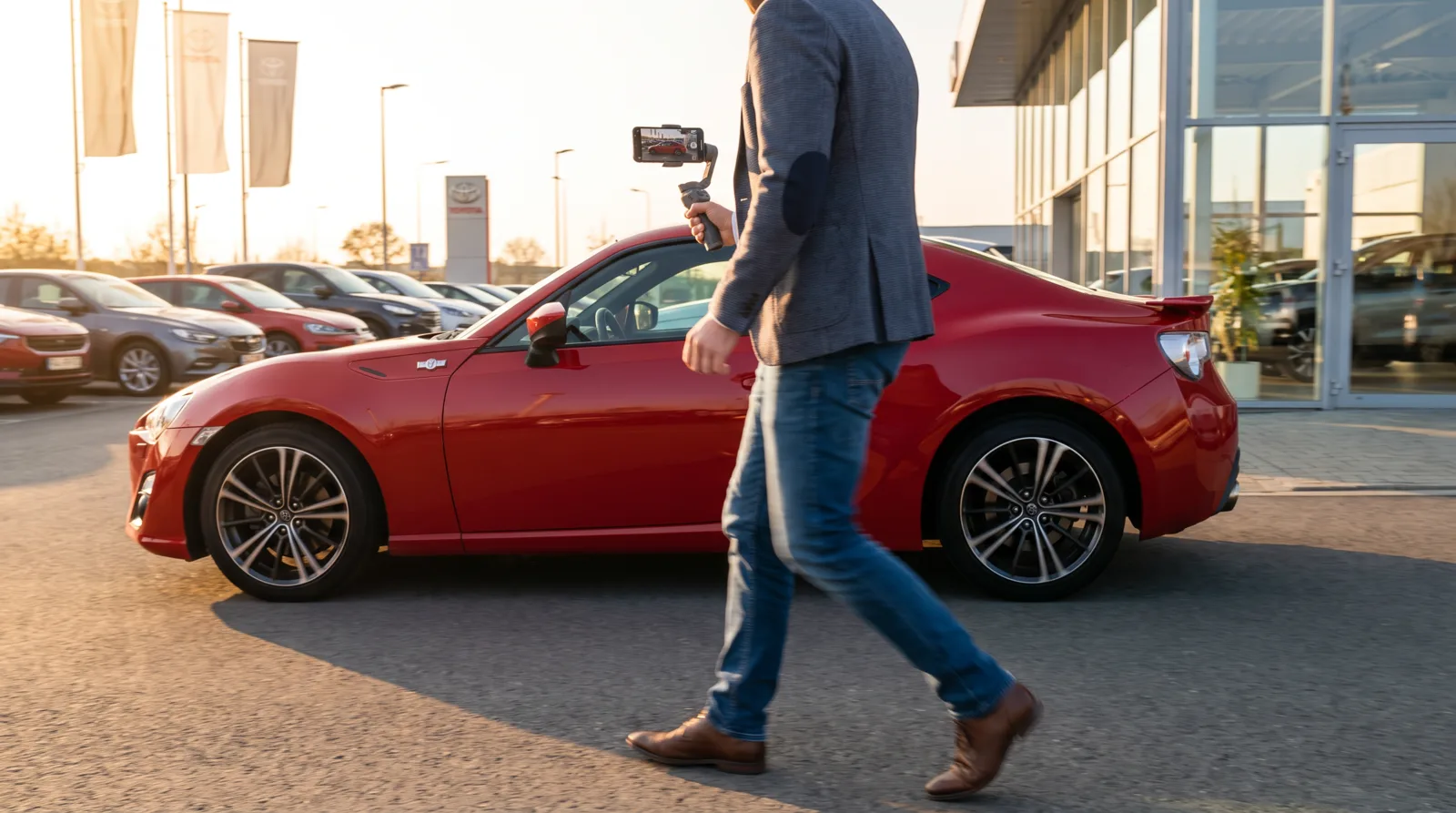
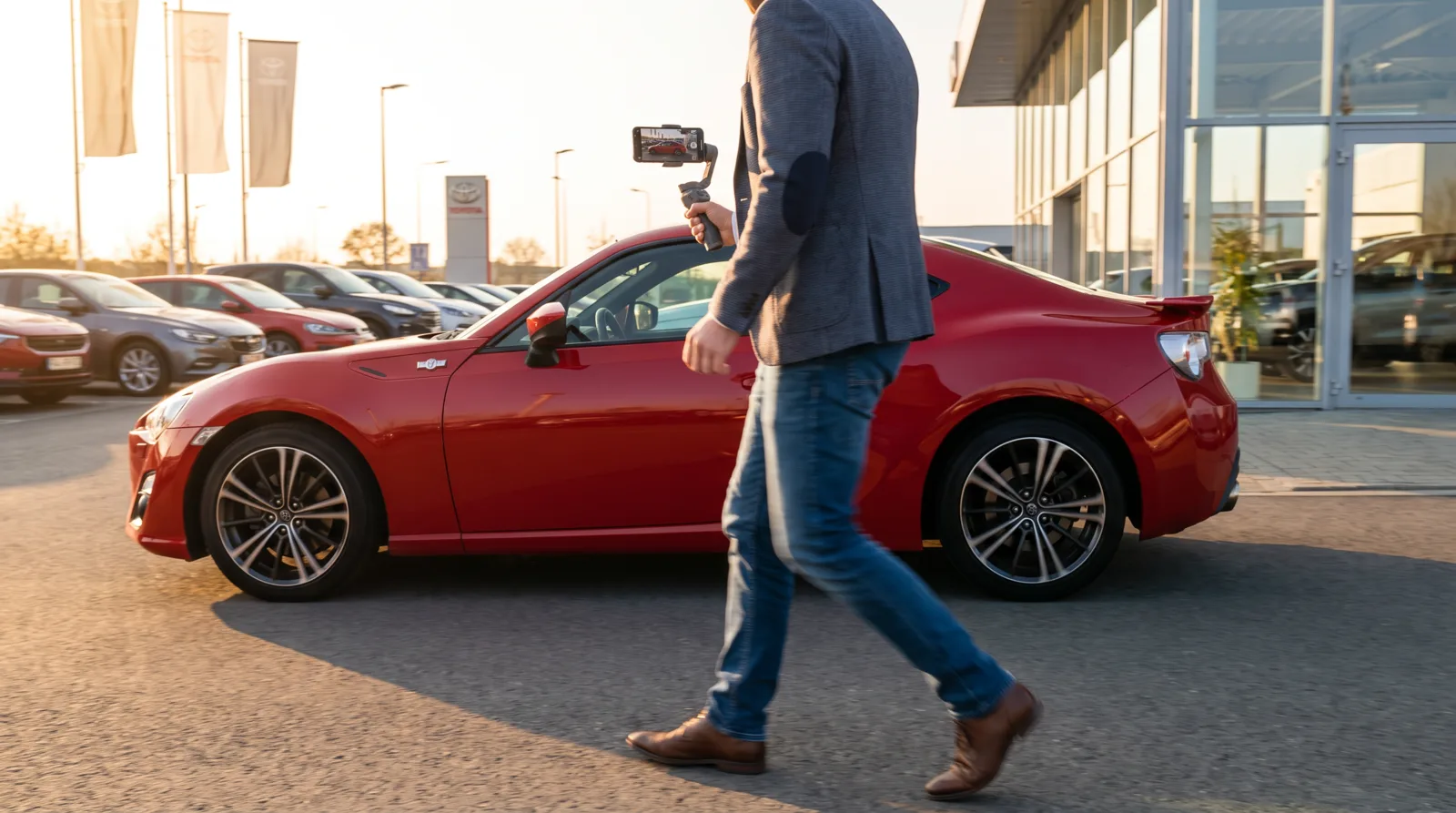
The car sales video classic: a rep walks the car, narrating what makes this unit worth a look.
Walkarounds work because they carry a human voice and honest detail — the two things a generated tour cannot fake. A rep saying "this one came in with a small scuff on the rear arch, here it is" does more for trust than any amount of polish.
Walkarounds are also the one format where a rep's own knowledge of the car beats any system. They know which feature the last three buyers asked about, and they can lead with it.
They deserve their own craft, which our car walkaround video guide covers shot by shot. The marketing point here is placement. A walkaround belongs on the VDP, in the follow-up email, and cut down for social. One capture, three placements. And the capture discipline it depends on is the same one your stills rely on, which is covered in car dealership photography tips — clean car, considered angles, no clutter in frame.
Video three: the personalised reply
The highest-converting video in the building is the one addressed to a single person.
A lead asks about a specific car. Instead of a templated email, they receive a short video from the rep, referencing their question and their vehicle. The blocker was always production time, and that blocker is gone: HelloRamp Engage produces a personalised video reply in about ten seconds, using the rep's AI avatar over live inventory media with the script drafted from the lead and vehicle record, and it tells the rep the moment the lead watches.
Set against the industry's roughly 42-hour average first response, a ten-second personal video is an unfair advantage. This is the format that turns video from a marketing activity into lead generation and response — the same pipeline, answered faster and more personally than the three other stores that buyer also contacted.
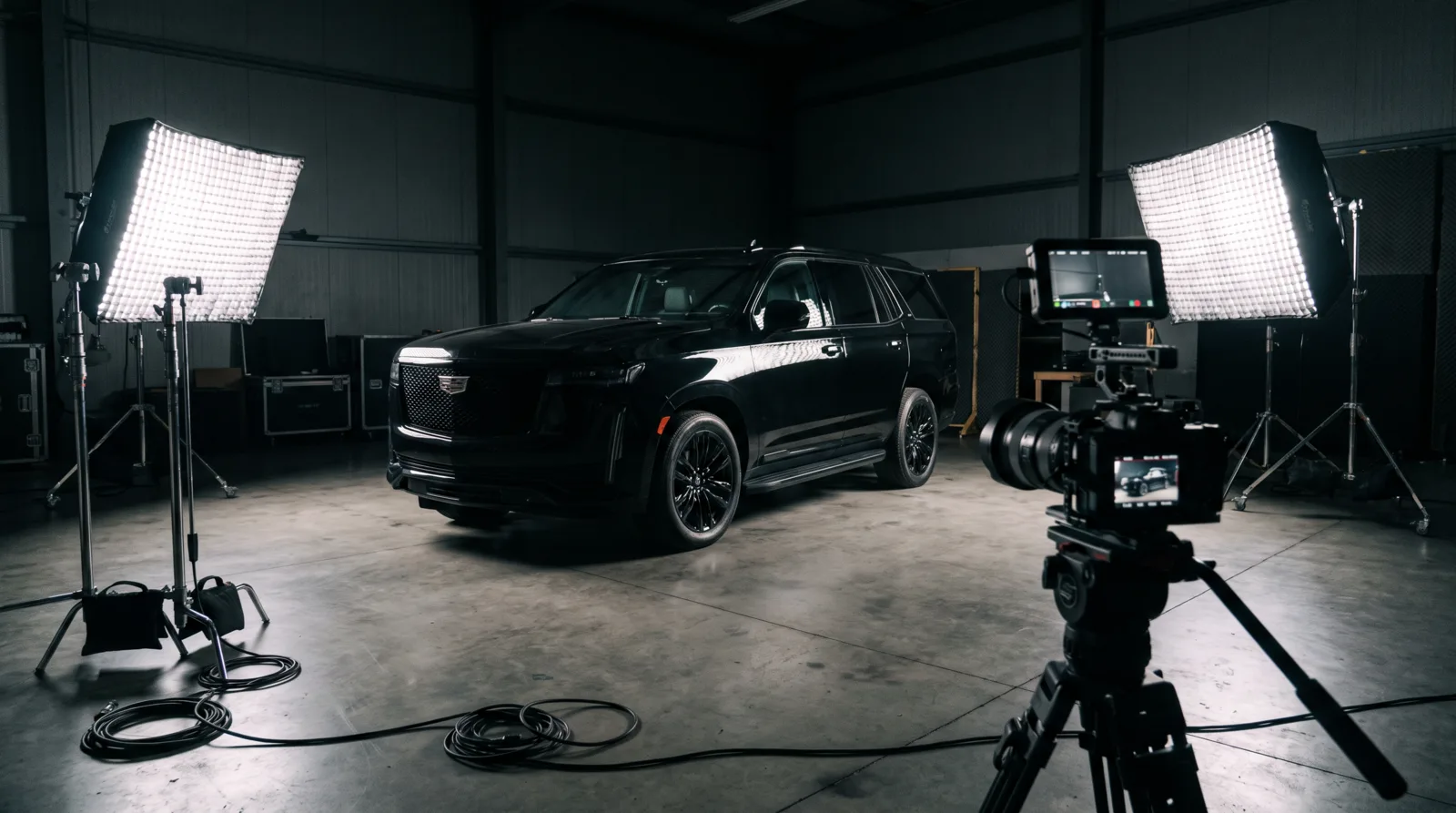
The setup above is what this format used to require. It is worth being explicit that it no longer does, because the memory of that cost is the main reason stores still do not send reply videos.
Video four: social and advertising video
Car dealership video marketing on social answers a different question: not "should I buy this car" but "should I know this dealership".
Reels and Shorts built from inventory, platform-native rather than repurposed TV spots, compound into local audience. HelloRamp Social creates posts and reels for each car and publishes them daily across Instagram, TikTok, Facebook and YouTube without a team member touching them, which removes the production constraint that kills most dealership social calendars in week three.
Automotive video advertising then puts paid spend behind the best-performing organic formats, so the ad creative is pre-tested rather than guessed. Our guide to visuals in paid digital ads covers what survives the transition from organic to paid, and choosing the best platforms for car listings covers where the same content is worth syndicating.
Building the system instead of the video
A store serious about video marketing needs one decision, not four: capture once, publish everywhere.
One guided shoot per vehicle should feed the listing photos, the spin, the video tour, the social clips and the media library reps pull from for personalised replies. That is the architecture HelloRamp's Studio, Social and Engage share, and it is why a store can run daily video output with no video staff at all. As of August 2026, 200+ dealerships are onboarded and the platform produces 1M+ AI visuals a month, per HelloRamp.ai platform data.
Whatever platform you choose, refuse any workflow that makes video a separate production pipeline. Separate pipelines are where dealership video strategies go to die: the photos happen because they are required to list the car, and the video does not happen because it is someone's extra project.
Measure it like a funnel:
- Coverage. What share of live listings carry a tour or walkaround? This is the leading indicator, and usually the embarrassing one.
- Interest. Watch-through rates on tours and walkarounds.
- Timing. Watch alerts on reply videos, which tell a rep exactly when to call.
- Money. Appointments set from video-touched leads, against those without.
Frequently asked questions
What is dealership video marketing?
Dealership video marketing is the systematic use of video across listings (tours and walkarounds), social channels (reels and shorts), advertising, and lead response (personalised video replies), produced at inventory scale rather than one vehicle at a time.
What type of video sells the most cars?
Personalised video replies to individual leads convert best per view, because they answer a specific buyer about a specific car. Inventory tours and walkarounds do the volume work of persuading shoppers to become leads.
How do dealerships make videos without a videographer?
By generating video from the same smartphone capture used for photos. AI platforms produce per-vehicle video tours automatically, and avatar-based tools produce personalised replies in seconds without a camera.
Is video advertising worth it for car dealerships?
Paid video works best amplifying formats already proven organically. Test inventory-led reels and shorts organically first, then put spend behind the styles that earn watch time.
How should a dealership measure video marketing?
As a funnel: video coverage across listings, watch-through on tours and walkarounds, watch alerts on reply videos, and appointments set from video-touched leads. Coverage is the leading indicator; appointments are the money.
HelloRamp Studio guides the walkaround, corrects the lighting and backgrounds, and produces the listing stills, the 360° spin and the video tour from one five-minute capture on a phone. No booth, rig or dedicated photographer.