
Creating an Emotional Connection with Car Imagery: Evoking Lifestyle Aspirations

Emotional car imagery shows a vehicle in the context a buyer imagines using it in: a family SUV in a driveway, a compact hatchback on a city street, a truck on a work site. It works because buyers choose a car for how it fits their life, then justify the choice on specification.
Key takeaways
- Buyers picture themselves in the car; imagery either helps or leaves them to imagine it.
- Match the setting to the buyer segment rather than to the car's price.
- Backgrounds, colour and light set mood as much as the subject does.
- Lifestyle imagery supplements the standard listing set; it never replaces it.
Why does emotional imagery matter in car listings?
When buyers browse car listings, they’re not just evaluating features like mileage and engine size. They’re imagining how the car will fit into their lives. Emotional imagery:
- Inspires Aspirations: Helps buyers visualize themselves driving the car.
- Builds Trust: Authentic visuals resonate with buyers and make listings feel relatable.
- Differentiates Listings: Stand out in crowded marketplaces by creating a unique visual story.
By focusing on emotional themes, you can connect with buyers on a deeper level, increasing the likelihood of a sale.
How do you match visuals to a buyer’s lifestyle?
Each type of car serves a specific audience, and your imagery should reflect how the car meets their needs.
Family Cars
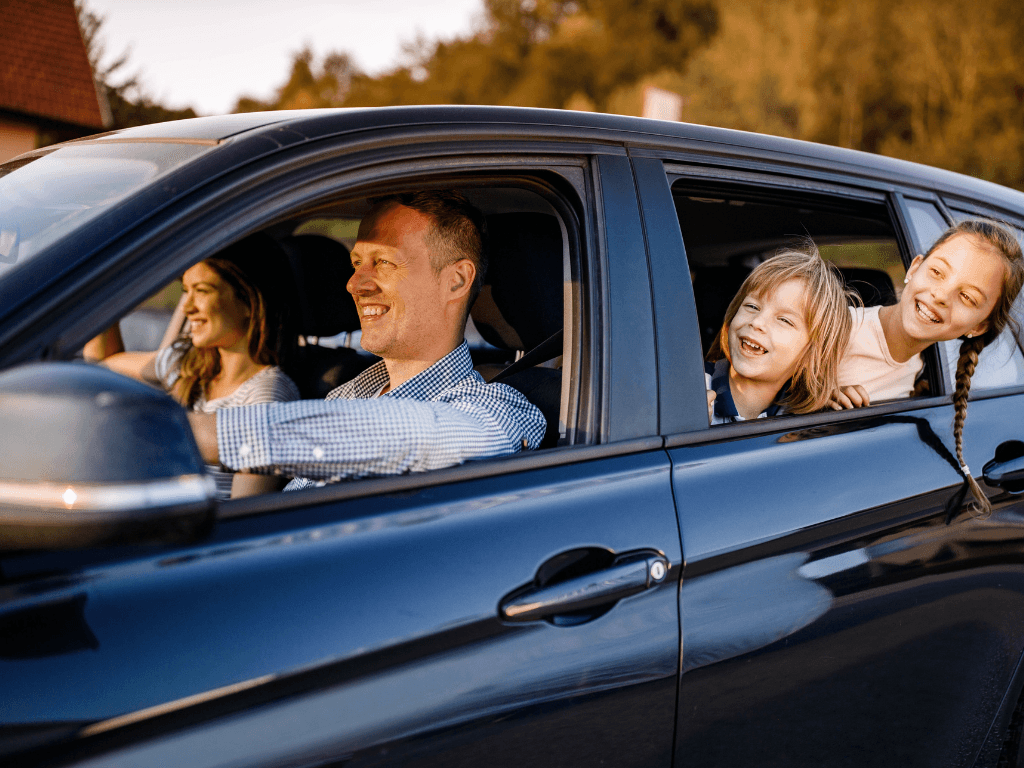 Highlight spacious interiors, safety features, and comfort.
- Imagery Ideas:
- A car parked in front of a home with a family unloading groceries.
- Kids climbing into the backseat, showcasing space and convenience.
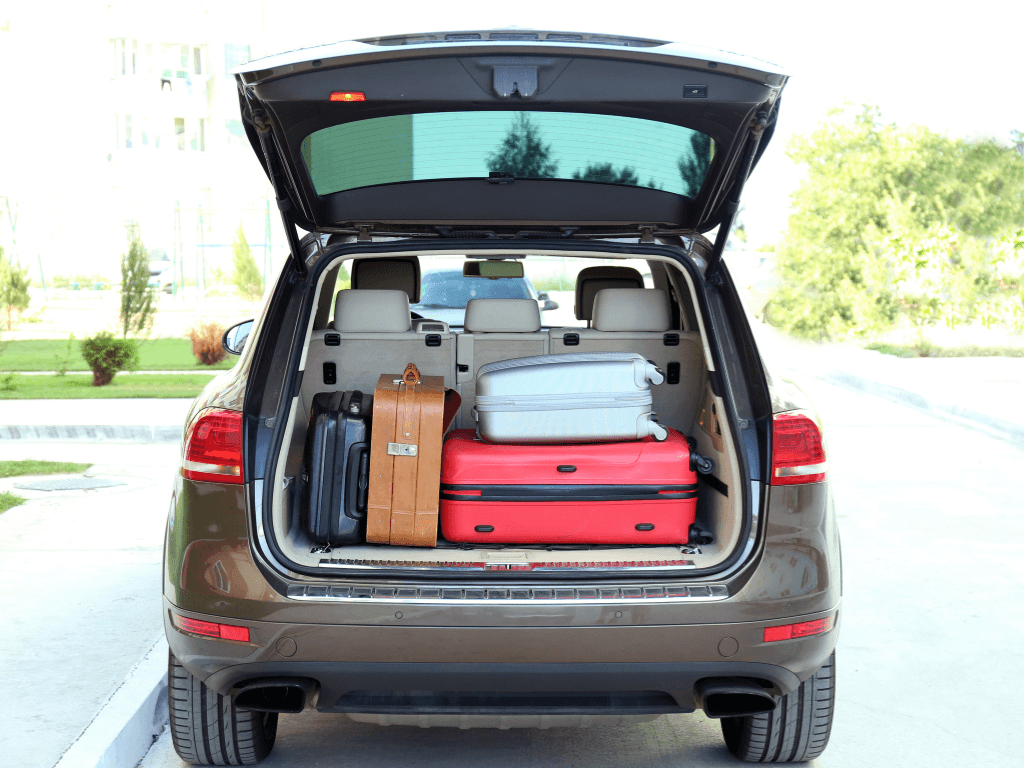
- A packed trunk with luggage ready for a road trip.
Adventure Vehicles
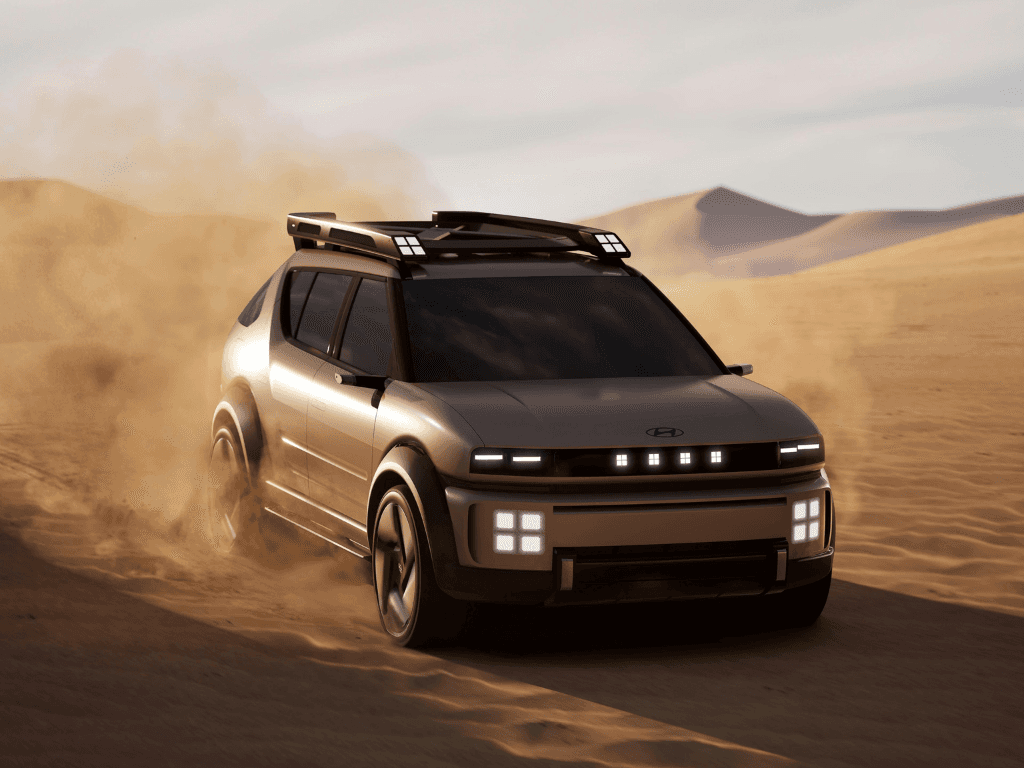 For SUVs, trucks, and off-road vehicles, focus on durability, capability, and freedom.
- Imagery Ideas:
- A rugged SUV crossing a stream or parked on a mountainside.
- A truck loaded with camping gear, ready for adventure.
- Close-ups of features like roof racks or mud-covered tires.
Luxury and Premium Cars
 Showcase sophistication, comfort, and status.
- Imagery Ideas:
- A sleek sedan parked outside an upscale restaurant or hotel.
- Interiors featuring leather seats, digital dashboards, and mood lighting.
- Nighttime shots highlighting stylish headlights and glossy finishes.
City and Compact Cars
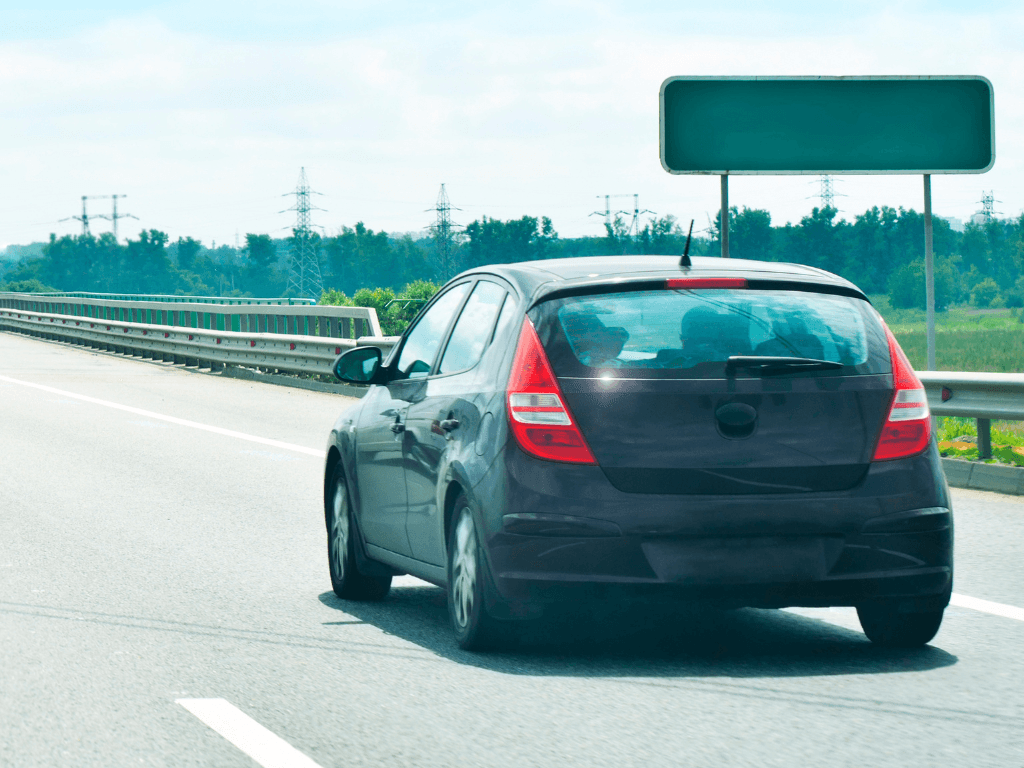 Emphasize efficiency, convenience, and modern style.
- Imagery Ideas:
- A compact car zipping through urban streets or parked by a café.
- Showing how easily the car fits into tight parking spaces.
- Bright, vibrant backgrounds reflect a youthful, energetic vibe.
How do colour and background set the mood?
 Colors and backgrounds play a significant role in evoking emotions and aspirations:
- Warm Tones (e.g., red, orange): Evoke passion, excitement, and energy.
- Cool Tones (e.g., blue, green): Create a sense of calm, reliability, and trust.
- Neutral Tones (e.g., white, gray): Convey professionalism, luxury, and modernity.
Background Ideas:
- Family-Friendly: Neighborhood streets, parks, or suburban homes.
- Adventure: Forest trails, mountain ranges, or open highways.
- Luxury: Urban skylines, elegant estates, or sleek showrooms.
- Urban Living: Busy streets, trendy neighborhoods, or bustling cafés.
3. When should people appear in car imagery?
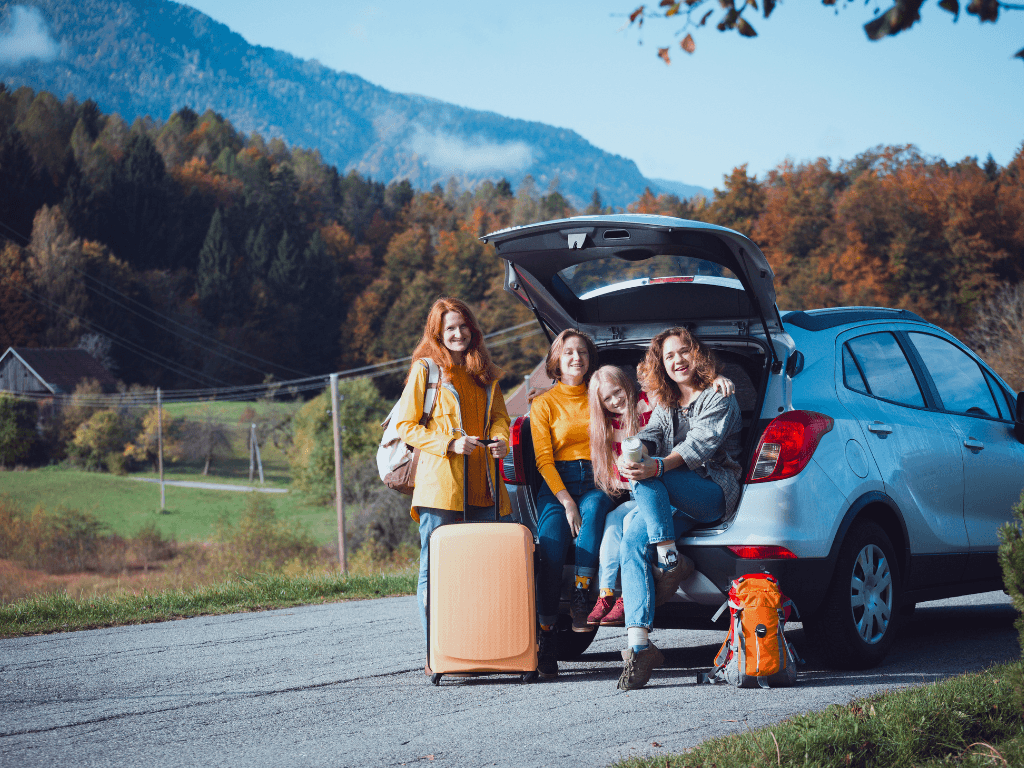 In social and brand content, where the point is the scenario, people help buyers see themselves in the car. Keep them out of the listing set, where the buyer wants an unobstructed view of the vehicle. Where they do appear, use real, relatable people in believable situations:
- Driving Scenes: Show someone confidently driving the car.
- Family Interactions: Parents buckling kids into car seats or families loading the trunk.
- Outdoor Activities: Friends unloading bikes or gear for an adventure.
- Luxury Contexts: A professional stepping out of a luxury sedan or couple arriving at a formal event.
Pro Tip: Use authentic, relatable models and scenarios. Overly staged or unrealistic visuals can feel insincere.
Which features carry the most emotional weight?
 Show off the car’s features in the context of everyday use:
- Trunk Space: Highlight how easily it fits groceries, luggage, or sports gear.
- Infotainment Systems: Show passengers using touchscreens or streaming music.
- Comfort Features: Capture heated seats, spacious legroom, or reclining backseats.
- Durability: Showcase rugged tires or weatherproof finishes in action.
Does seasonal imagery help car listings?
 Tie your visuals to specific seasons to evoke timely emotions:
- Spring: Fresh flowers, greenery, and outdoor settings.
- Summer: Road trips, beaches, and bright sunshine.
- Fall: Golden leaves, cozy family outings, and autumnal backdrops.
- Winter: Snow-covered roads, cozy interiors, and holiday themes.
Can AI improve emotional car imagery?
Creating engaging car visuals doesn’t have to be complicated. HelloRamp.ai can help:
- Background Replacement: Replace dull settings with vibrant, lifestyle-appropriate backgrounds.
- Lighting Adjustments: Enhance warmth or coolness to suit the car’s theme.
- People Integration: Add natural-looking figures to the scene for relatable visuals.
- Branding: Add subtle logos or text overlays to reinforce dealership identity.
How do you test which visuals connect?
Not every visual will resonate with your audience. Experiment with different styles and themes to see what works best:
- A/B Testing: Compare visuals with different angles, backgrounds, or overlays to determine which generates the most engagement.
- Monitor Analytics: Use ad and listing metrics to assess the performance of your visuals.
Conclusion
Creating an emotional connection with car imagery goes beyond just showing a vehicle. By tailoring your visuals to reflect lifestyle aspirations—whether for family road trips, luxury living, or outdoor adventures—you can engage buyers on a deeper level.
Frequently asked questions
What is emotional car imagery?
Photography that places the vehicle in the situation a buyer would use it in, rather than isolating it as a product. It helps the buyer picture ownership instead of just assessing the specification.
Does lifestyle imagery replace standard listing photos?
No. A buyer still needs the full sequence of exteriors, cabin, close-ups and any damage to make a decision. Lifestyle imagery works alongside that set, usually as the lead or a social asset.
How do you choose a setting for a car photo?
Match it to who buys that vehicle. A family SUV belongs on a driveway or outside a school; a compact hatchback belongs on a city street; a pickup belongs somewhere it is working.
Should there be people in car listing photos?
Rarely in the listing set itself, where the buyer wants to see the car. People work well in social and brand content, where the point is the scenario rather than the specification.
HelloRamp Studio guides the walkaround, corrects the lighting and backgrounds, and produces the listing stills, the 360° spin and the video tour from one five-minute capture on a phone. No booth, rig or dedicated photographer.