
Best Practices for Using Visuals in Paid Digital Ads
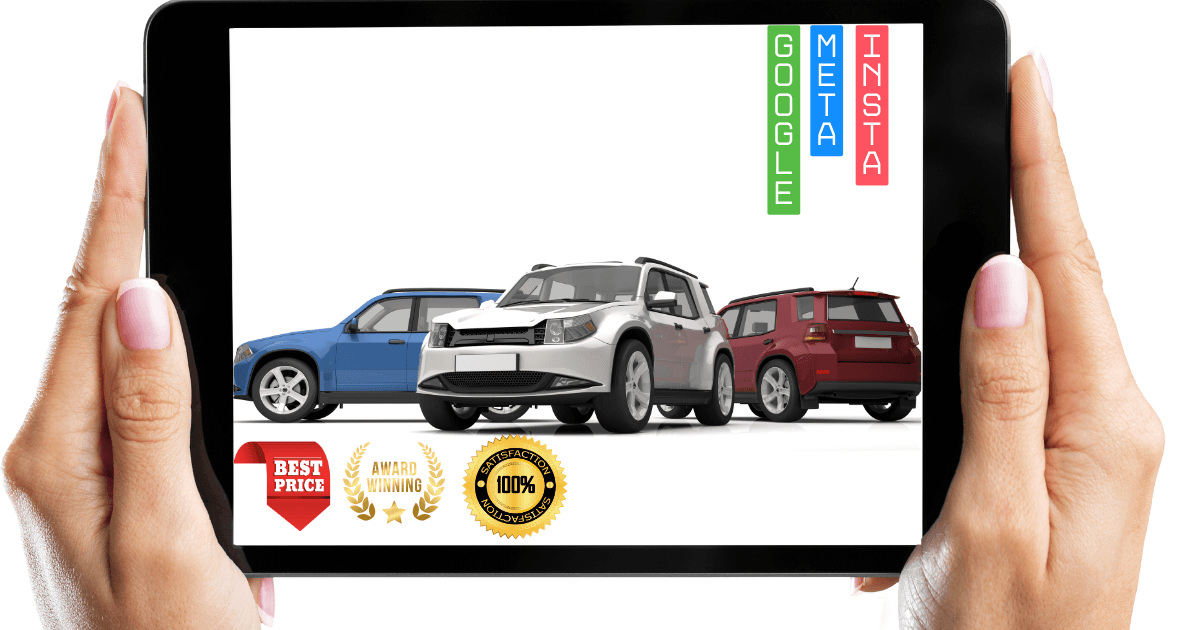
Visuals decide whether a paid car ad works. The image has to read at ad size in under a second: one clean angle, an uncluttered background, the car filling the frame, and only the text that survives shrinking. The same discipline applies across search display, social and retargeting.
Key takeaways
- An ad image gets about a second, so it must read at a glance.
- Crop tight and keep the background plain; ad slots are small and busy.
- Text on the image should be limited to price and one short badge.
- Match the ad image to the landing page image, or the click bounces.
What types of paid digital ads work for used cars?
If you’re new to online advertising, here’s a quick overview of the types of paid ads commonly used for selling cars:
- Search Engine Ads (Google Ads) These appear at the top of search results when someone searches for cars or specific models. For example, typing “used Toyota Camry near me” might show your dealership’s ad with a relevant image and link.
- Social Media Ads (Facebook, Instagram, TikTok) Social platforms allow you to target specific audiences based on demographics, interests, or location. These ads often feature visually striking images or videos of cars to capture attention.
- Display Ads These are banner ads that appear on websites related to cars or other user interests. They rely heavily on appealing visuals to attract clicks.
- Video Ads (YouTube) Short, engaging videos showcasing cars or dealership promotions can generate leads by giving buyers a closer look at available vehicles.
- Native Advertising: Native ads on online marketplaces such as Cars.com are crafted to align with the site's design and user experience, ensuring that promotional content appears natural and engaging to users.
Each of these ad types relies on visuals to stand out in crowded online spaces, making it essential to use optimized, professional-looking car images.
How do you create attention-grabbing car images?
How sharp do paid-ad car images need to be?
Poor-quality images are the quickest way to lose a buyer's interest. Invest time in taking high-resolution photos of your cars, ensuring they are sharp and clear.
- Why It Matters: Buyers trust listings that look professional, and clear visuals create a strong first impression.
- Pro Tip: HelloRamp.ai can enhance image quality by balancing lighting, removing cluttered backgrounds, and adjusting contrast.
What background works best in a paid ad?
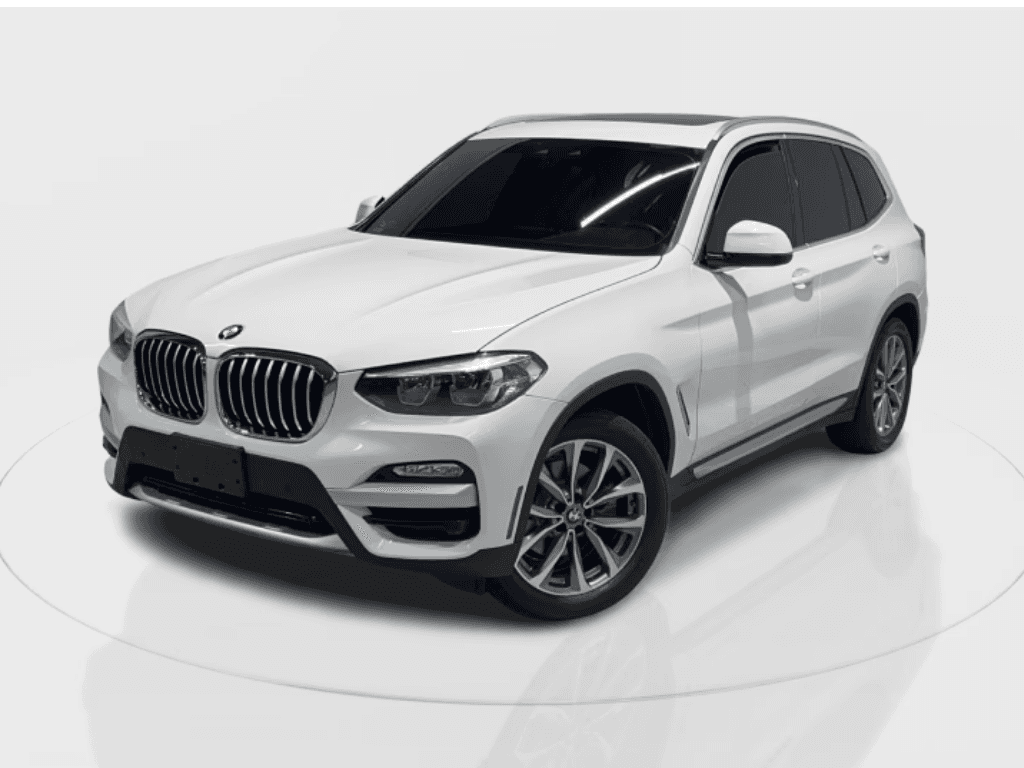 Cluttered or distracting backgrounds take the focus away from the car. Instead, opt for neutral or clean environments that highlight the vehicle.
- Examples: Empty parking lots, plain walls, or virtual studio backdrops.
- Pro Tip: HelloRamp Studio replaces messy backgrounds with polished, consistent ones automatically, and a trained reviewer checks every image before it publishes.
Which angle performs best in an ad?
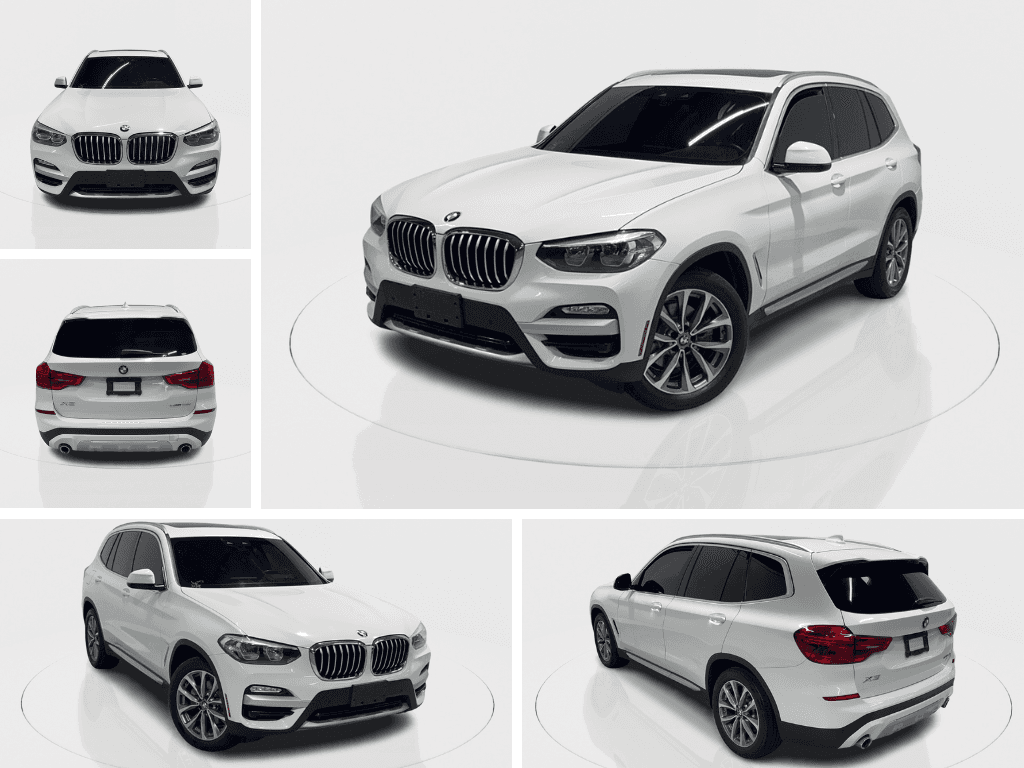 Certain angles naturally draw attention and showcase the car’s features:
- Front Diagonal View: Highlights the car’s overall design.
- Side Profile: Shows the vehicle’s shape and dimensions.
- Interior Close-Ups: Perfect for social media ads that focus on premium features like leather seats or touchscreens.
- Why It Matters: Buyers are drawn to visuals that provide a clear and engaging view of the car.
How do you size ad visuals for mobile feeds?
Most users browse ads on their phones, so your images need to look great on small screens.
- Tips:
- Use a 4:3 or 1:1 aspect ratio for images that display well across platforms.
- Test your visuals on both desktop and mobile to ensure consistency.
How much text belongs on an ad image?
A well-placed text overlay can provide essential information without overwhelming the visual.
- Examples:
- “Certified Pre-Owned”
- “Low Mileage”
- “Special Offer: $2,000 Off”
What lighting works best for ad visuals?
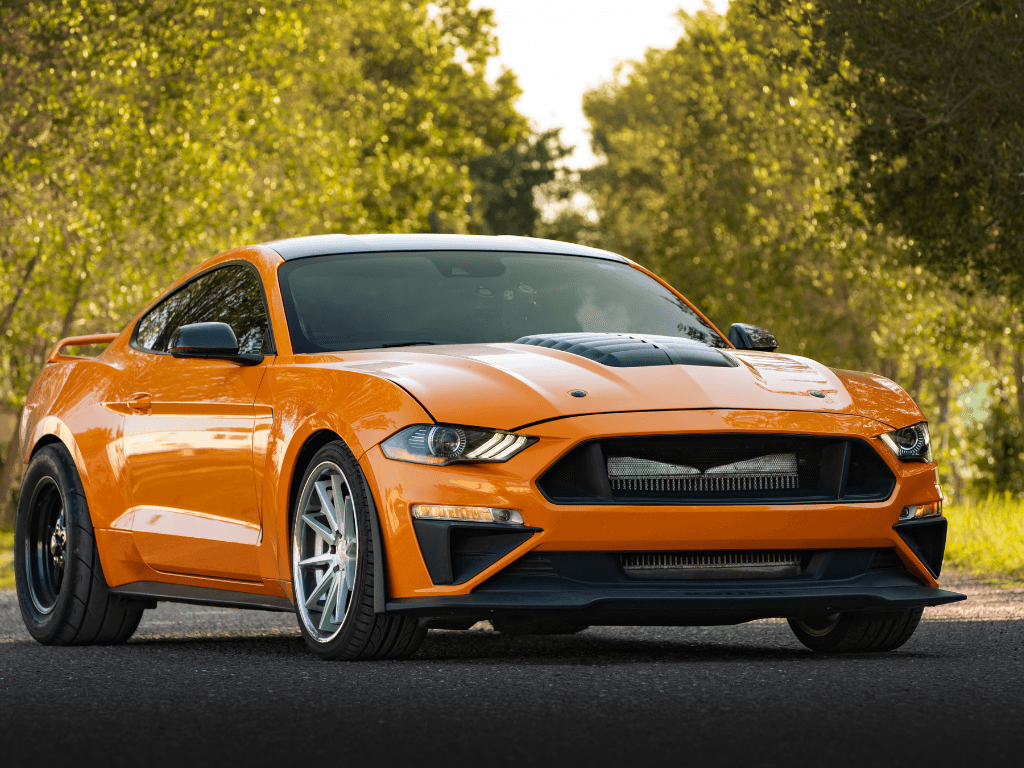 Lighting plays a huge role in how your car images are perceived. Poor lighting can distort the car’s color or hide important details.
- Best Practices:
- Use natural lighting during the golden hour for warm, soft tones.
- Avoid harsh midday sunlight that creates glare and strong shadows.
Why does a consistent ad style matter?
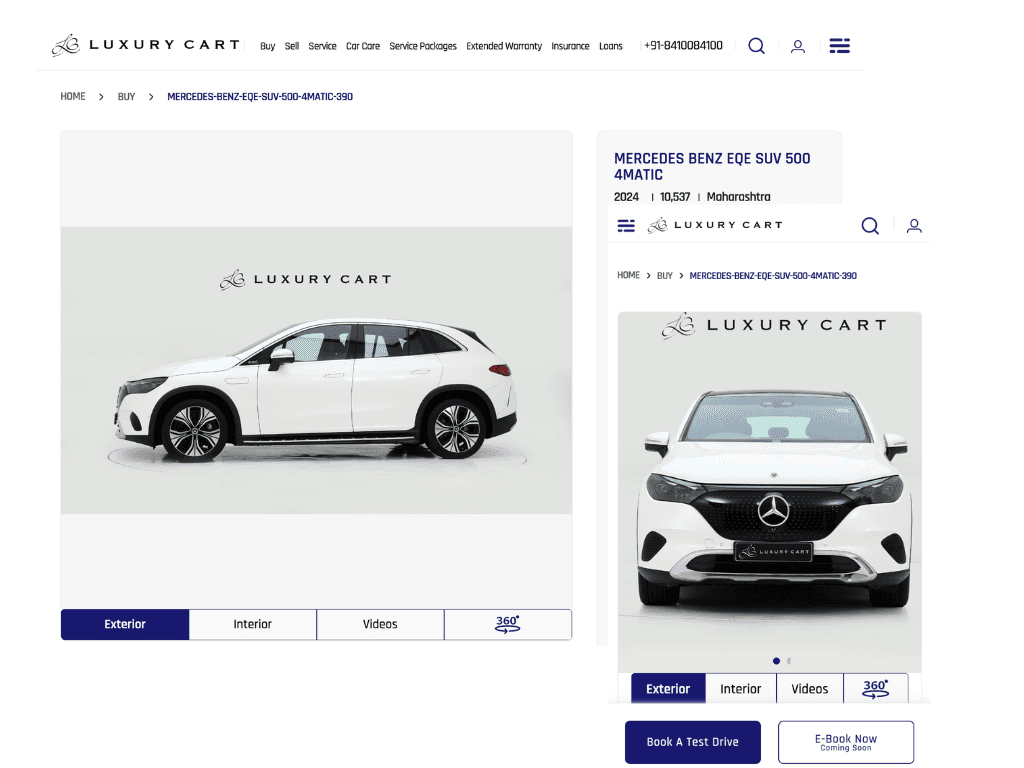 For ads across platforms, maintain a consistent look and feel. This builds brand recognition and creates a professional impression.
- How to Achieve This:
- Use similar backgrounds for all car photos.
- Ensure the lighting and angles are consistent.
- Add branded elements like your dealership logo to every image.
Which features stop the scroll?
Dynamic visuals, like 360-degree views or videos, can elevate your ads:
- 360-Degree Photos: Allow buyers to interact with the car, exploring it from all angles.
- Video Ads: Highlight key features, such as the car’s engine sound, smooth handling, or luxury interiors.
- Tools to Use: HelloRamp.ai offers interactive visuals that captivate buyers.
Why do file sizes matter in paid ads?
Large files can slow down loading times, frustrating potential buyers. Compress your images while maintaining quality.
- Tools: HelloRamp.ai automatically adjusts image size for web and mobile without losing resolution.
What are the most common paid-ad visual mistakes?
- Using Overly Edited Photos: Buyers may feel deceived if the car doesn’t look the same in person.
- Cluttered Images: Avoid busy visuals with too much text or distracting elements.
- Inconsistent Aspect Ratios: Cropped or distorted images can ruin the ad’s impact.
- Ignoring Key Features: Highlight unique selling points, like low mileage, new tires, or premium interiors.
Conclusion
Creating eye-catching visuals is essential for running successful paid digital ads for car listings. From using high-quality images and clean backgrounds to incorporating subtle text overlays and optimizing for mobile, small changes can make a big impact.
Frequently asked questions
What makes a good visual for a paid car ad?
One clean angle, usually the front three-quarter, with the car filling the frame against an uncluttered background. It has to be legible at ad size in about a second.
How much text should be on a car ad image?
As little as possible. Price and one short badge such as trim or condition. Small text disappears at ad size, and busy images perform worse regardless of platform rules.
Should ad images match the landing page?
Yes. A buyer who clicks an ad expects to land on the same car presented the same way. A mismatch between the ad image and the listing image increases bounce.
What are the most common mistakes in paid car ad visuals?
Cluttered backgrounds, the car too small in the frame, too much overlay text, inconsistent images across a campaign, and low-resolution files that go soft when the platform rescales them.
HelloRamp.ai is AI visual merchandising for car dealerships: guided capture, daily social publishing and personalised video replies to leads, in one platform. Book a walkthrough using your own vehicles.