
Studio
Listing visuals
Studio, Social and Engage share one content engine, capture once, publish everywhere.See pricing →
HelloRamp.ai gives a dealer group one vehicle photo standard for every store. Head office sets the background, framing, logo position and disclaimers once. Every rooftop's captures, whether shot on a phone, by a photographer or pulled from the DMS, are published to that standard, and a trained reviewer checks each asset before it goes live.
A shopper moving between your rooftops sees a different photo standard at each one, because each store shoots its own way: different backgrounds, lighting and angles. Head office usually finds out when a listing already looks wrong, not before. The same group can look like two different businesses in the same week.
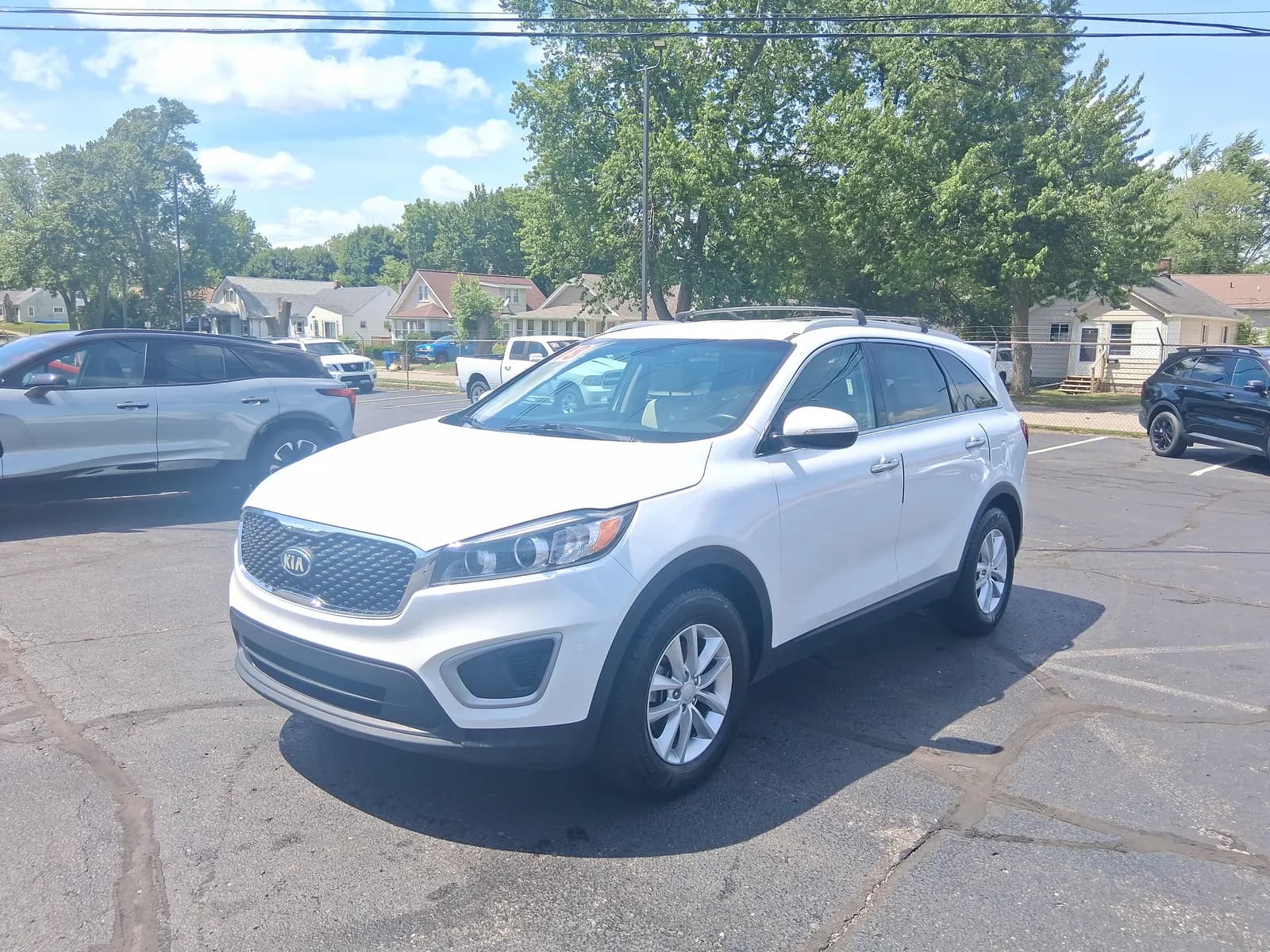
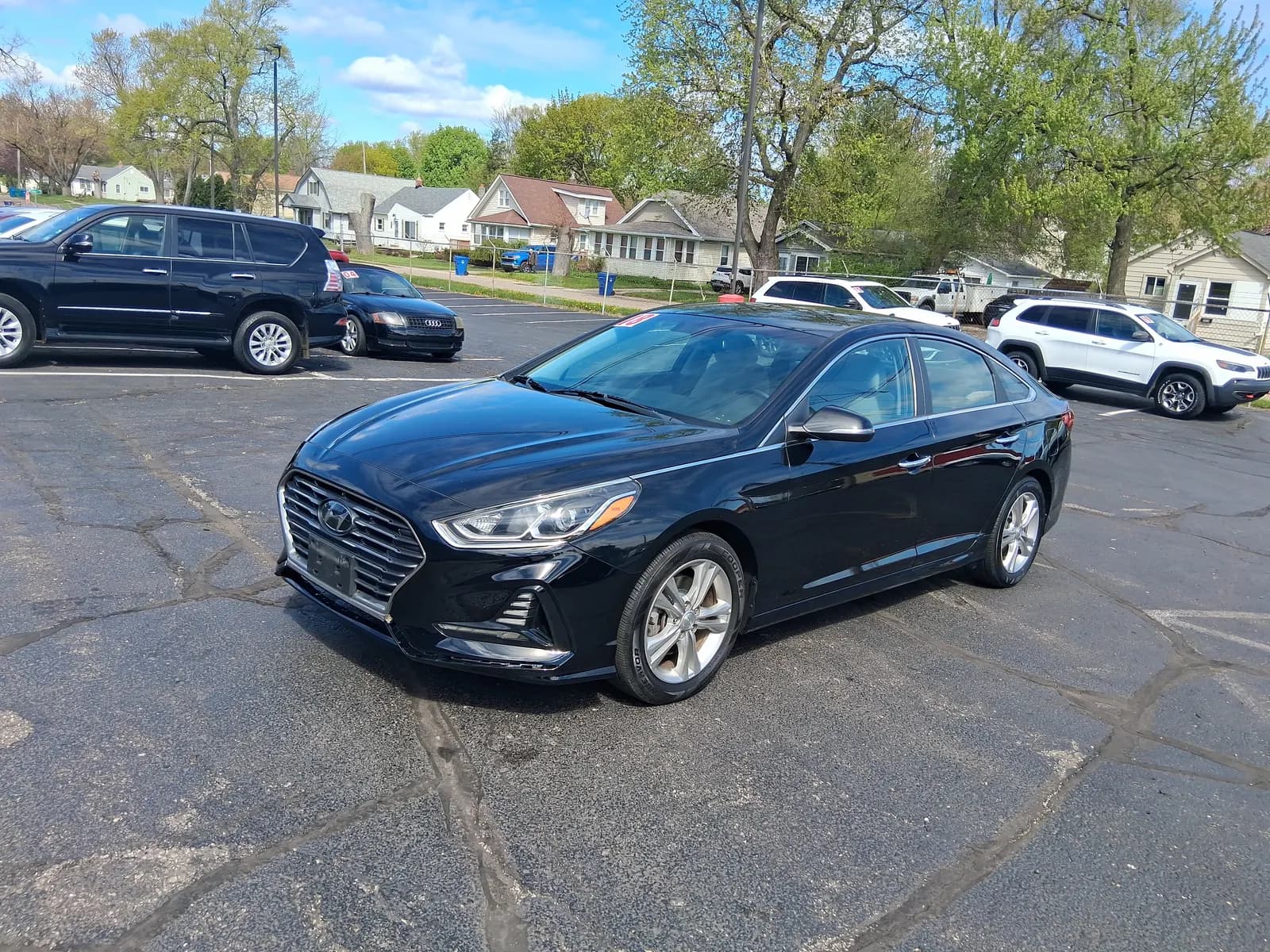
Same group. Same week.
Head office sets one group standard in HelloRamp.ai and every rooftop publishes to it. Stores capture however suits them, on a phone, through a photographer or with a pull from the DMS, and all three produce the same output. Stores cannot change the standard, and can vary only where head office allows it.
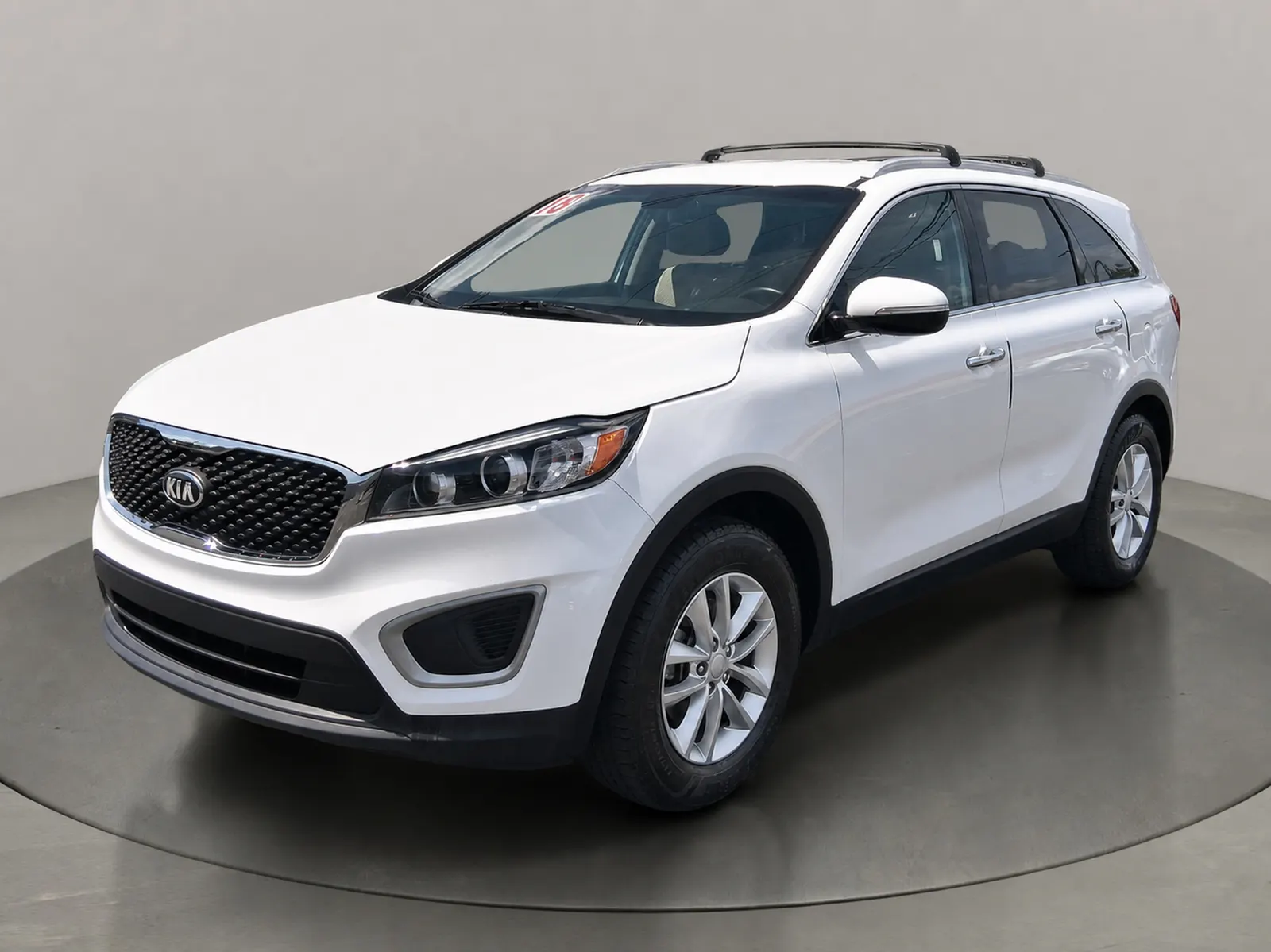
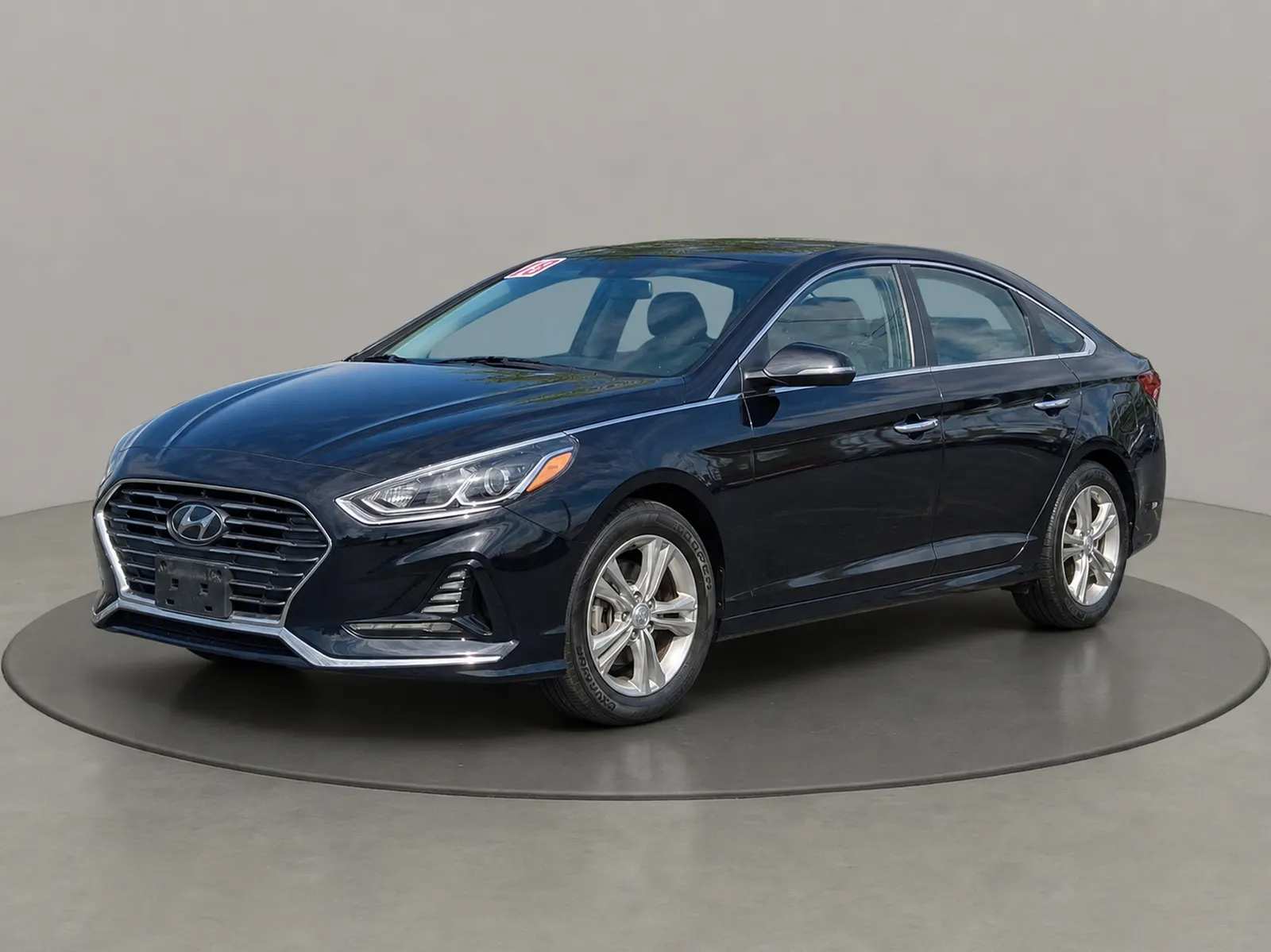
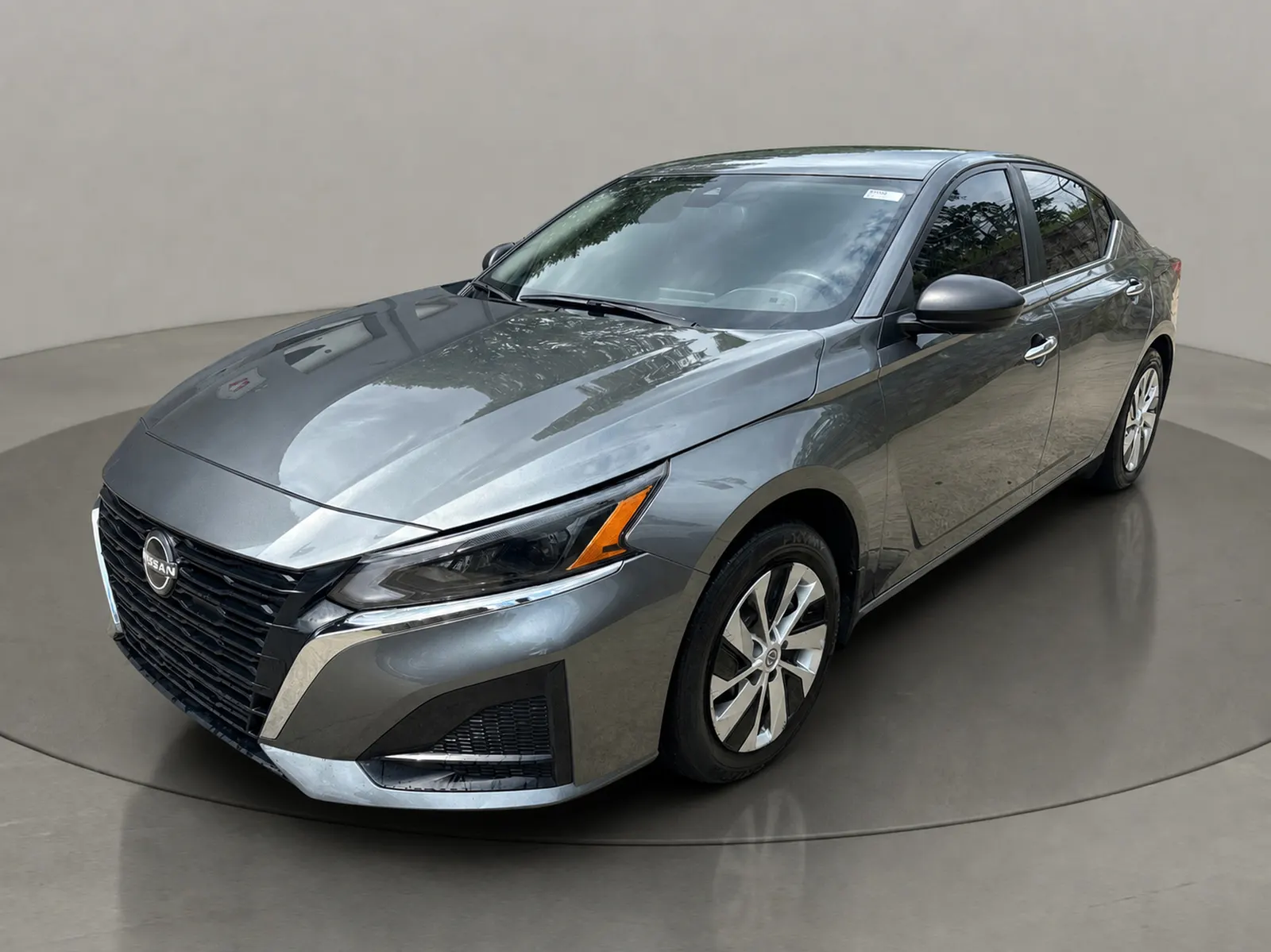
Three rooftops, three ways in, one output.
What does a group photo standard control? Four settings, locked at group level: the background (for example, studio white), the framing (for example, 3:2 at the front three-quarter angle), the logo position and the disclaimer text for each state. Stores cannot change them. Head office can allow variation by location or vehicle class.
Head office sees each rooftop’s numbers in four reports, live today and broken out by location: inventory, capture turnaround, views and sales leadership. Capture turnaround measures how long each store takes from vehicle arrival to published listing, which is the one number that shows where the delay is, without visiting the store.
Start with one store, usually the one with the longest arrival-to-live time, because the change is easiest to see there. Agree the group standard once, measure that store’s capture turnaround against the rest of the group for a month, then add rooftops on the evidence, with the standard already defined.
Usually the store with the longest arrival-to-live time, because the change is easiest to see there.
Backgrounds, framing, overlays and disclaimers agreed once, applied to everything that store uploads.
Compare that store's arrival-to-published time against the rest of the group for a month.
Add rooftops on the evidence, with the standard already defined and nothing to renegotiate.
New inventory at a franchise store usually carries manufacturer-supplied imagery, so HelloRamp.ai is used for the pre-owned department. It applies to your used inventory, and the group is charged only for the used cars it uploads. New cars are not charged.
Without a group standard, each store decides its own backgrounds, framing and capture method, and head office only sees the result once it is live. With HelloRamp.ai, head office sets the standard once, every capture route produces the same output, and per-store reports show which rooftop is slow.
| Each store shoots its own way | One group standard in HelloRamp.ai | |
|---|---|---|
| Who sets background and framing | Each store, or whoever takes the photo | Head office, once, at group level |
| Capture method | Varies by store | Phone, photographer or DMS pull, one output |
| Store-level variation | Whatever each store decides | Only where head office allows it, by location or vehicle class |
| Finding the slow rooftop | Visit the store | Capture turnaround report, by location |
| When head office sees a problem | After the listing is live | Before it publishes, at review |
Twenty minutes, one store’s inventory, and the turnaround numbers to judge it by.