
Vehicle Photo Standards for Dealer Groups: How to Keep Every Rooftop Consistent
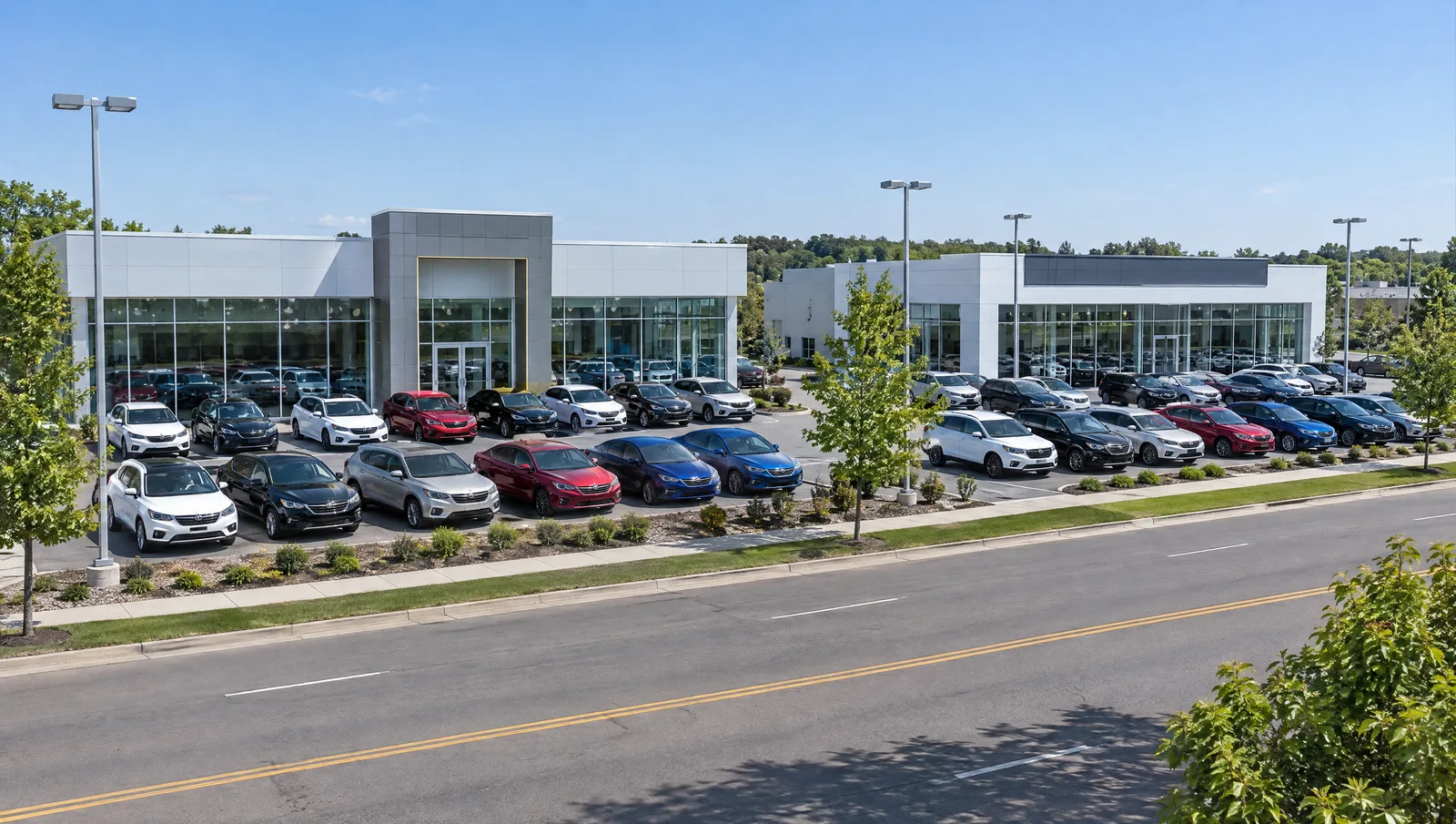
Vehicle photo standards are the written rules a dealer group uses so every rooftop photographs, edits and publishes inventory the same way: one shot list, framing, background, overlay style and turnaround time. Without them, each store drifts toward its own habits. A standard works only when head office sets it, capture builds it in and someone audits each rooftop.
This guide covers governance: who sets the rules, how stores follow them and how head office checks. For the visual side of a single store, see our guide to creating a consistent visual style for car listings. For angles and lighting, see our dealership photography tips.
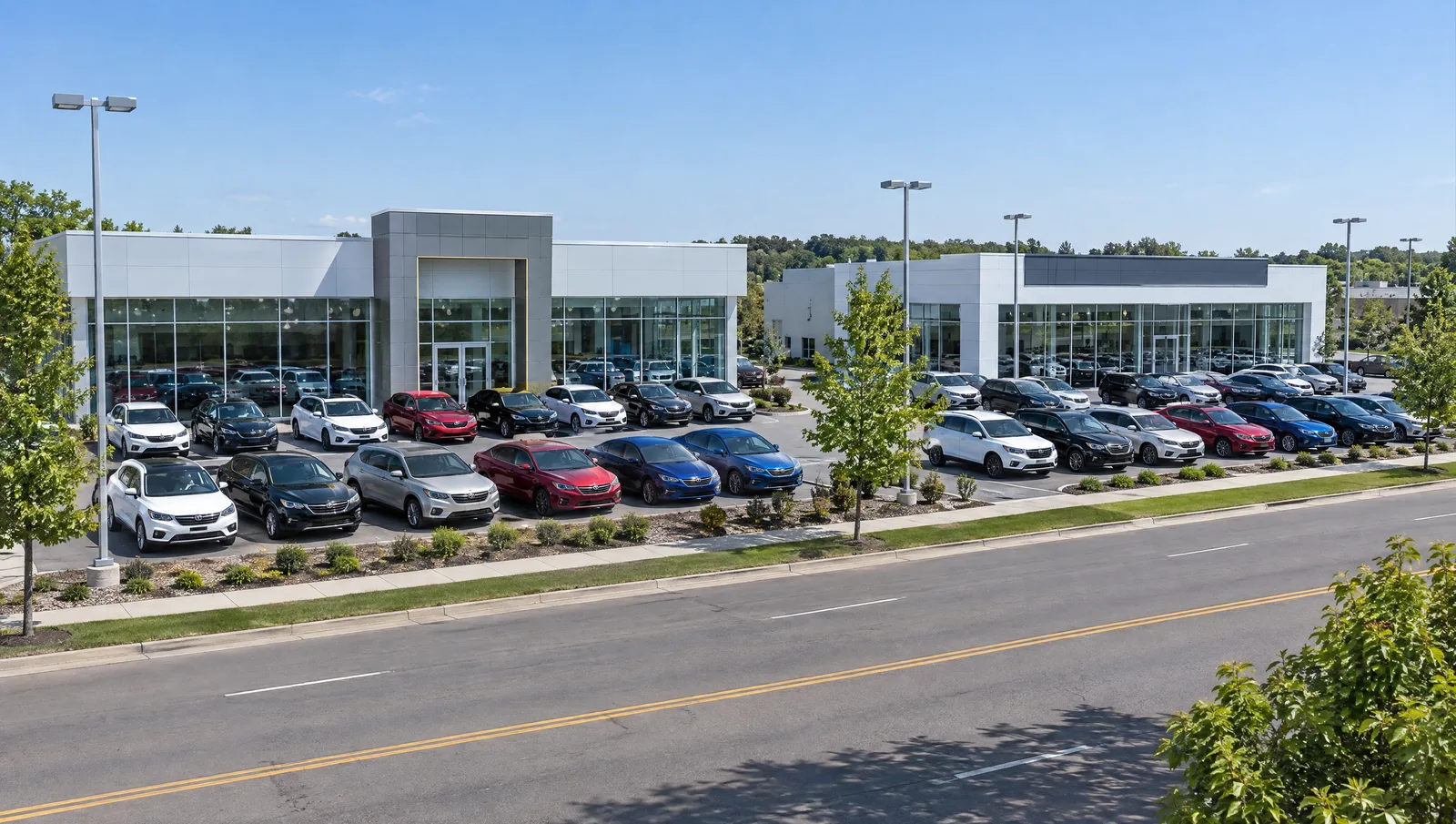
Why do vehicle photos drift across rooftops?
Photo quality rarely declines all at once. It drifts, one small change at a time, for predictable reasons:
- Different people. One store uses a dedicated photographer. Another hands the job to whichever porter is free.
- Different devices. A DSLR at one rooftop, three generations of phones at another, each with its own color and lens.
- Different lots. A store with a covered bay shoots in even light. A store with an open lot shoots in whatever the weather allows.
- Different vendors. Stores that hired their own photo vendor years ago follow that vendor's style, not the group's.
- Turnover. Each new hire learns the job from the person before them, and small shortcuts become the local standard.
- Acquisitions. A newly bought store arrives with its own vendor, backgrounds and overlay style, and nobody is assigned to change them.
What should a written vehicle photo standard specify?
A useful standard fits on one page and answers every question a new staff member would ask. Here is a sample you can adapt:
| Item | Sample rule |
|---|---|
| Shot list and order | 24 images in fixed order: front three-quarter driver side first, then front, side, rear three-quarter, rear, wheels, interior and details |
| Framing | Whole vehicle in frame, camera at headlight height, same distance for every exterior shot |
| Background | One approved background per vehicle class, applied to every exterior image |
| Overlays | Group logo in one corner only; price or offer flags only on channels that allow them; overlay-free versions kept for feeds that reject overlays |
| Disclaimers | Approved wording only, set by head office, never edited by stores |
| Plate handling | Plates masked or replaced with the group's dealer plate on every image |
| Interior count | At least 8 interior images, including dash, odometer, front seats, rear seats and cargo area |
| Damage disclosure | Any damage not repaired in recon is photographed in close-up and never edited out |
| File naming | Stock number, last eight of VIN, two-digit sequence (for example, U4821-7F102938-01) |
| Turnaround | Photos live within 24 hours of the car arriving at the rooftop |
Overlay-free copies matter because channels set their own rules. Google Vehicle Ads image requirements disapprove overlaid watermarks and superimposed logos or text. The same page notes that AI regulations in the European Union, India and New York require disclosures or labels on certain AI-generated or edited ad assets. The Cars.com vehicle listing policy bars using listing media to promote special offers or prices other than the listed price. Ad and disclosure rules differ by market and channel, so check your standard against them with your compliance counsel.
The turnaround target ties to days to photo, which is worth tracking per store.
What the standard leaves out matters just as much. Do not specify camera settings that only a professional would understand. Do not write rules that depend on one lot's layout. Every line should be something a porter at your smallest store can follow on a rainy Tuesday with a phone. If a rule needs a paragraph of explanation, it belongs in training material, not in the standard.
How do you enforce a photo standard across stores?
A PDF in a shared drive is not enforcement. Four controls make a standard stick:
- Central templates that stores cannot override. Set backgrounds, overlays, disclaimers and plate handling once, at group level, in your photo tool. Stores vary only what head office allows, such as a location-specific background.
- Guided capture. When the capture app walks the photographer through the shot list in order, staff follow the standard by default, not from memory.
- Human review before publishing. Someone outside the store checks each set for missing angles, wrong backgrounds and edits that change how the car looks.
- Audit reports per rooftop. A weekly report shows each store's image count per unit, turnaround time and share of units missing photos. Stores that slip are visible without anyone browsing listings.

Who takes used car photos at a franchise dealership?
At most franchise stores, the used car manager owns used-vehicle photos, and lot staff, porters or a photo vendor take them. The new-car side is different. Manufacturer imagery often covers new inventory, because new units of the same model, trim and color look alike.
That does not carry over to used cars. Each used unit has its own mileage, wear and options, so it needs its own photos. The channel rules point the same way. Google Vehicle Ads states that "stock images are allowed for new cars as long as they show the same make, model, and color as the car listed," and it disapproves generic or stock images that are not the actual car. The Cars.com policy says listing media "must accurately depict the vehicle the Dealer is selling."
For a group, this makes the photo standard mainly a used-department document. Give each rooftop's used car manager clear ownership of turnaround and quality, and report on it the same way you report on used aging.
How should a dealer group roll out a photo standard?
Start small and expand on the numbers:
- Weeks 1 to 2: baseline. Measure current capture turnaround (arrival to published), images per unit and share of units without photos at every rooftop.
- Weeks 3 to 6: pilot one store. Pick a store with average volume and a willing used car manager, or your slowest rooftop, where the change is easiest to see. Apply the standard, the central templates and guided capture there only.
- Weeks 7 to 8: compare. Put the pilot store's numbers next to its own baseline and next to the other rooftops.
- Week 9 onward: expand. Add stores in groups of two or three, starting with those furthest from the standard. Train each store's staff before its switch-over date.
Which KPIs should each rooftop report?
| KPI | What it shows | Suggested review |
|---|---|---|
| Capture turnaround (arrival to published) | Speed of the photo process | Weekly |
| Share of units live within 24 hours | Consistency of that speed | Weekly |
| Images per used unit | Shot list compliance | Weekly |
| Units missing photos | Gaps in the process | Daily |
| Sets rejected in review | Quality at capture | Monthly |
| Listing views per unit | Whether shoppers engage with the listings | Monthly |
Set one target per KPI for the whole group, such as 90% of units live within 24 hours, and show each store's number against it. Rank stores in the monthly used-vehicle meeting. When a store misses the same target two months in a row, look at staffing and process at that rooftop before changing the standard.
Where does HelloRamp.ai fit for dealer groups?
HelloRamp.ai for dealer groups is built around this model. Head office sets the photo standard once: background, framing, logo position and disclaimers. Stores cannot change it, and they vary only where head office allows, by location or vehicle class. HelloRamp Studio guides any staff member through the shot list on a phone, and a trained reviewer checks each asset before it publishes through HelloTrust human review. HelloRamp Social lists new arrivals on Facebook Marketplace automatically, with the photos in the right order.
Reports by location show inventory, capture turnaround from arrival to published, and views by unit, with activity rolled up for sales leadership. New cars, which usually carry manufacturer imagery at franchise stores, are not charged. The group pays only for the used cars it uploads.
A standard that every store follows starts with one store that proves it.
Sources
- Google Merchant Center Help: Vehicle ads image requirements (checked October 2026)
- Cars Commerce: Vehicle Listing Policy (last revised June 23, 2026)
- CarGurus Dealer blog: Improved photo galleries to deliver you more leads (March 12, 2024)
Frequently asked questions
Does the manufacturer supply photos for used cars at a franchise dealership?
Generally no. Manufacturer imagery can cover new inventory, because new units of the same model, trim and color look alike. Each used vehicle has its own mileage, wear and options, so the dealership has to photograph every used unit itself.
Who should own vehicle photo standards in a dealer group?
Head office should own the written standard and the central templates, usually through the group's marketing or used-vehicle director. Each rooftop's used car manager owns day-to-day compliance: turnaround time, shot list completeness and fixing sets that fail review.
Can a dealer group use stock photos for used vehicles?
No. Google Vehicle Ads allows stock images only for new cars that show the same make, model and color, and Cars.com requires listing media to accurately depict the vehicle being sold. Each used unit needs photos of that exact car.
How do you audit photo quality across multiple dealerships?
Run a weekly report per rooftop showing images per unit, capture turnaround from arrival to published, units missing photos and sets rejected in review. Compare stores side by side, and spot-check listings from the lowest-scoring store each week.
Should a dealer group roll out a new photo standard to all stores at once?
No. Pilot the standard at one store for about four weeks and compare its turnaround and image counts against its own baseline. Then expand in groups of two or three stores. The pilot shows which rules need adjusting before every rooftop adopts them.
HelloRamp.ai is AI visual merchandising for car dealerships: guided capture, daily social publishing and personalised video replies to leads, in one platform. Book a walkthrough using your own vehicles.