
Used Car Reconditioning Checklist: 8 Steps from Check-In to Frontline
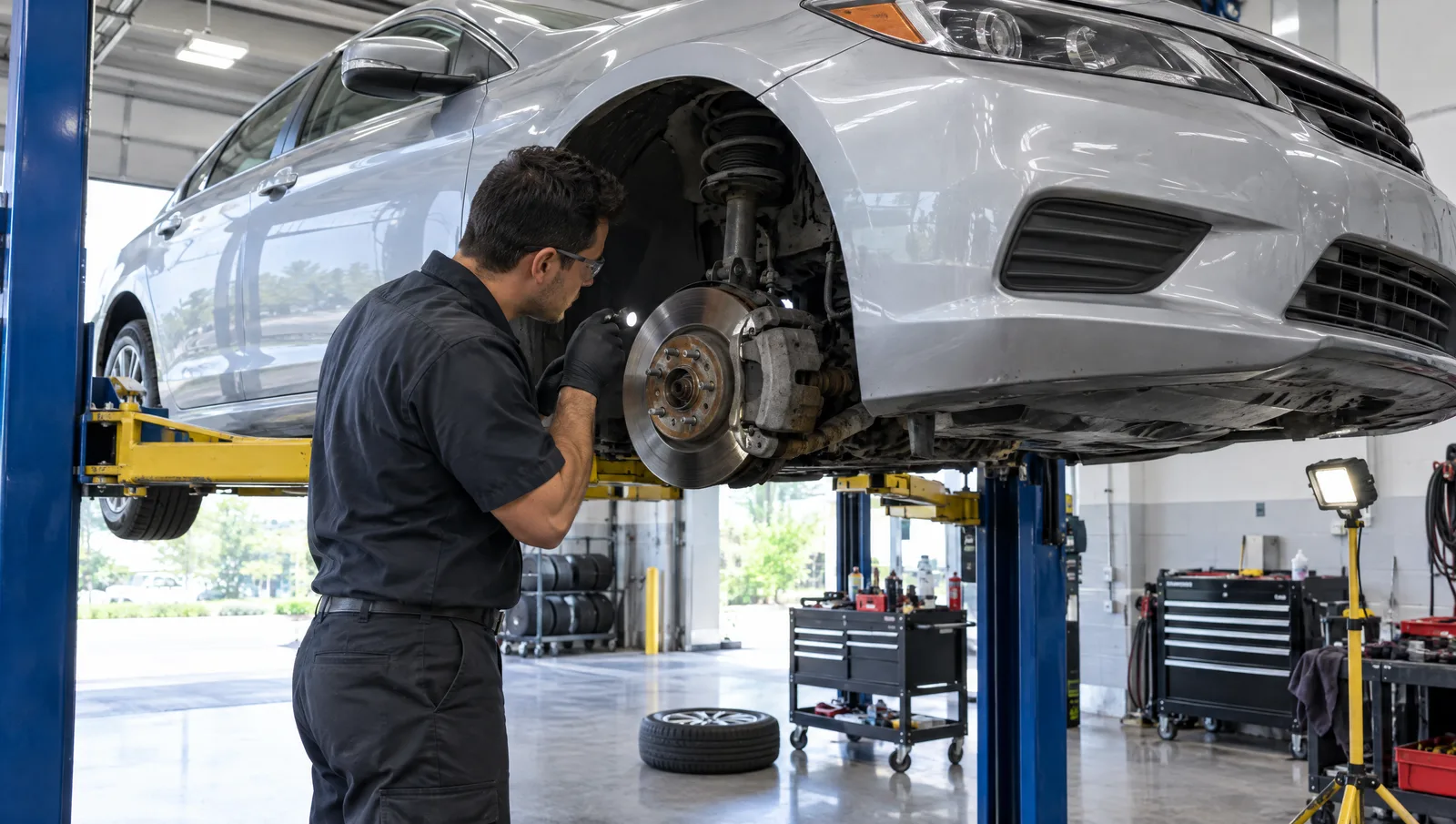
A used car reconditioning checklist lists everything a dealership does to a used vehicle between check-in and the front line: inspection, approval, mechanical repair, cosmetic work, detail, photography and final quality control. Each step has an owner, a target time and a timestamp, so the store can see where every car is and why it is waiting.
The eight-step checklist below is written to be printed and used.
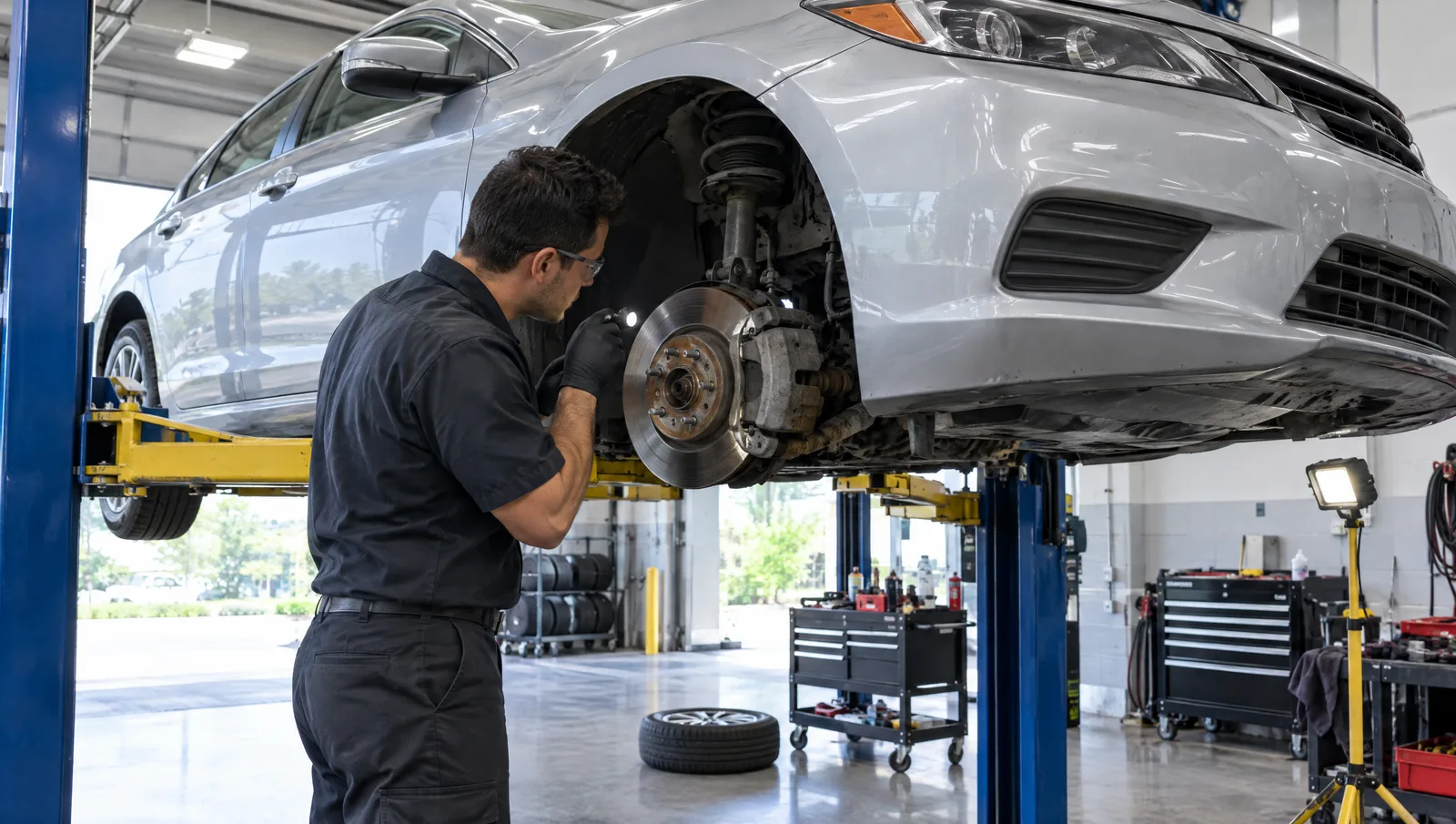
What does the recon process look like at a glance?
The table is the one-page version. The target times are practice targets we recommend for a store with its own service department. They are not industry statistics, so adjust them to your staffing and sublet vendors.
| Step | Owner | Practice target | Tracking timestamp |
|---|---|---|---|
| 1. Check-in and appraisal hand-off | Used car manager or porter | Within 2 hours of arrival | Stock-in time |
| 2. Inspection | Service technician | Within 24 hours of check-in | Inspection complete |
| 3. Approval and parts ordering | Used car manager, parts | Within 4 hours of inspection | Estimate approved |
| 4. Mechanical repair | Service technician | 1 business day | Mechanical complete |
| 5. Body, paint, PDR and wheels | Body shop or sublet vendor | 1 to 2 business days | Cosmetic complete |
| 6. Detail | Detail team | Same day as cosmetic complete | Detail complete |
| 7. Photography and media | Lot staff or photographer | Within 1 hour of detail | Photos published |
| 8. Final QC and frontline | Used car manager | Same day as photos | Frontline ready |
What are the 8 steps of used car reconditioning?
Each step below lists its owner, its target, what to check off and the delays we see most often.
1. Check-in and appraisal hand-off
Owner: used car manager or porter. Target: within 2 hours of arrival.
- Stock number assigned and unit entered in the DMS
- Appraisal notes, known issues and keys handed to recon
- Mileage, fuel level and existing damage recorded with dated photos
- Retail or wholesale decision confirmed before money is spent
2. Inspection
Owner: service technician. Target: within 24 hours of check-in.
- Multi-point mechanical and safety inspection (brakes, tires, fluids, lights, steering, suspension)
- Open recalls checked by VIN (NHTSA's recall lookup in the US; Transport Canada's recall database or the manufacturer in Canada)
- Diagnostic scan for stored codes
- Cosmetic notes: paint, dents, wheels, glass, interior wear and odors
- Written estimate split into required, recommended and cosmetic work
3. Approval and parts ordering
Owner: used car manager, with the parts department. Target: within 4 hours of inspection.
- Estimate reviewed against the vehicle's appraisal and retail price
- Line items approved, declined or sent to wholesale
- Parts ordered the same day, with expected arrival noted
- Sublet work (body, glass, wheels) scheduled
4. Mechanical repair
Owner: service technician. Target: 1 business day.
- Approved safety and mechanical items completed
- Recall repairs completed where parts are available
- Road test after repair
- Repair order closed with parts and labor posted
5. Body, paint, PDR and wheels
Owner: body shop or sublet vendor. Target: 1 to 2 business days.
- Paintless dent repair, touch-up and panel paint as approved
- Wheel and curb rash repair
- Windshield chips repaired or glass replaced
- Headlight restoration where lenses are hazy
6. Detail
Owner: detail team. Target: same day as cosmetic work finishes.
- Exterior wash, clay and polish as needed
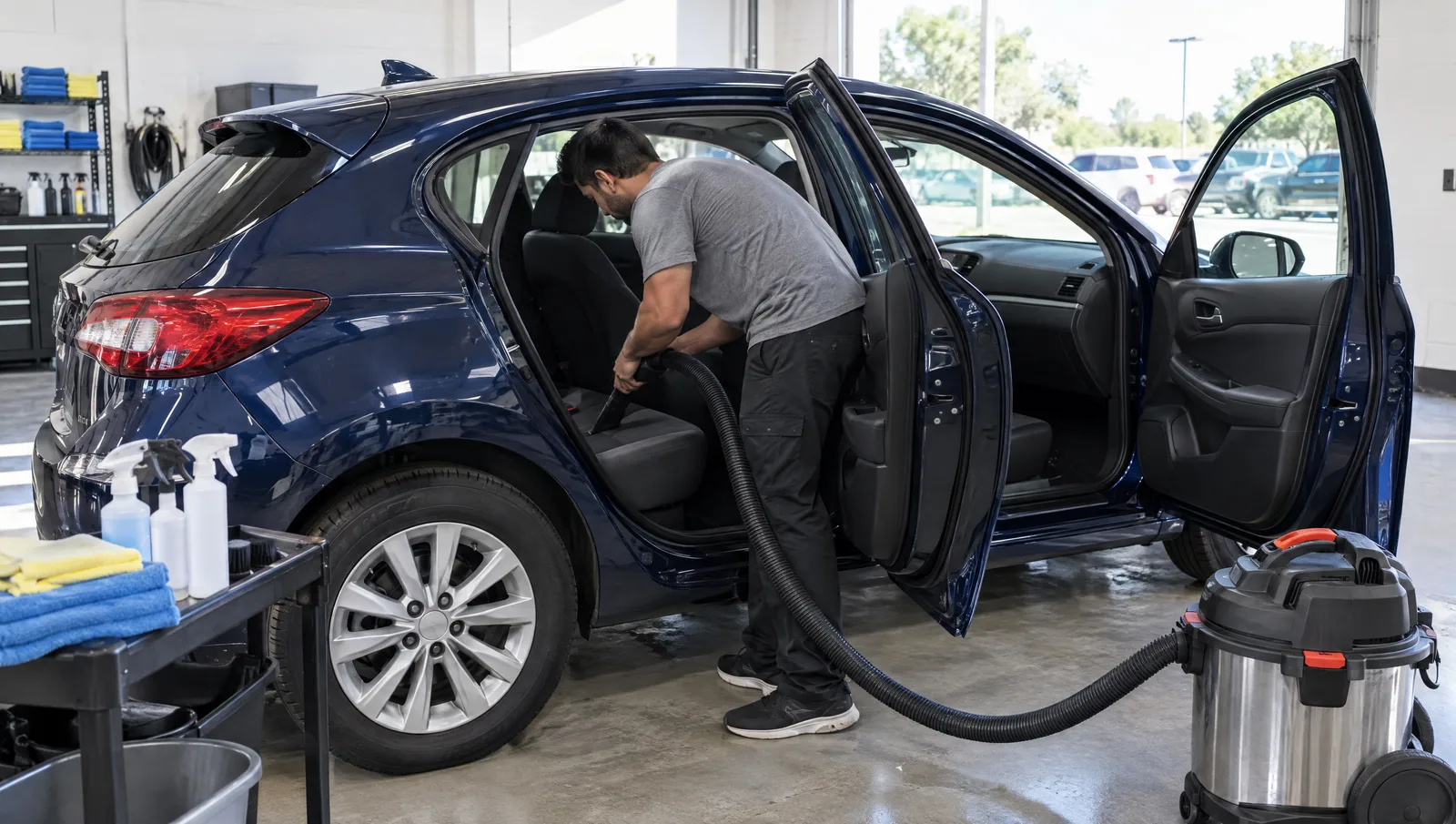
- Interior vacuum, shampoo and odor treatment
- Engine bay wiped down
- Two keys, owner's manual and floor mats present
7. Photography and media
Owner: lot staff or photographer. Target: within 1 hour of detail.
- Full shot list captured in the store's standard order
- Interior, odometer and any disclosed damage photographed
- 360 spin or walkaround video, if the store uses them
- Photos published to the website and marketplace feeds
8. Final QC and frontline
Owner: used car manager. Target: same day as photos.
- Walkaround check against the approved estimate
- Listing details, price and photos match the car
- Inspection report and history report attached to the listing
- Car parked on the front line with keys logged
When should you photograph a car in the recon process?
Take the final photo set after detail and after all cosmetic work, and before final QC. The photos a shopper sees should show the car exactly as it will be delivered: clean, repaired and complete. Shooting before detail captures a car that will look different on delivery day, and it usually means a second shoot anyway.
There is one reasonable exception. Some stores take an arrival photo set so the car can be listed as "in reconditioning" while work is done. That can be honest and useful if three conditions hold: the car is physically on your lot, the photos are of that exact vehicle, and the listing states plainly that it is in recon with an expected ready date. The trade-off is simple. An arrival set puts the car in front of shoppers days earlier, but the photos are weaker, and they must be replaced the day detail finishes. Our guide to days to photo covers what each of those days costs.
If the arrival set would not be honest (the car is still at auction, or damage will not be fixed), wait for the final set. Advertising rules differ by market and marketplace, so check your in-transit and in-recon listing practices with your compliance counsel.
How long should recon to frontline take?
Published benchmarks are few and mostly old, so read them with their dates:
| Source | Figure | Year and type |
|---|---|---|
| Rapid Recon | Time-to-market dealers: 3 to 5 days from recon start to front line ready; dealers before workflow tools: 10 days or higher | 2017, vendor source |
| Cox Automotive (Dale Pollak, vAuto founder) | Best-performing dealers finish recon in 24 hours or less; other dealers report seven days or more | 2016 |
| vAuto iRecon | Dealers using iRecon with Provision sell used vehicles an average of 2.8 days sooner than those using Provision alone | Undated vendor claim, checked October 2026 |
How do you track recon time?
A checklist only helps if the timestamps are recorded. Three habits make the data usable:
- Log a timestamp at each handoff, not all at once before the shift ends. The eight timestamps in the table above are enough.
- Measure time waiting, not only time working. A detail takes a few hours, but the car may wait two days for it. Waiting is usually where recon days go.
- Review a daily recon board. List every unit in recon with its current step and hours in that step. Discuss any car past its target at the morning meeting.
Where does HelloRamp.ai fit in the photo step?
With HelloRamp Studio, the photography step takes minutes on a phone. The app guides whoever is available through a fixed sequence of angles and checks each frame, so the store no longer waits for a photographer visit. Its Smart Fixes include dirt removal. Use that for light dust from the lot, never to hide condition, so scratches, dents and wear stay visible.
HelloRamp.ai's HelloTrust review team checks every image before it publishes, and an output that differs from the real car in a way a shopper would notice does not go live. Once the photos are approved, HelloRamp Social can list new arrivals on Facebook Marketplace automatically, which closes the gap between "photos published" and "shoppers can see it".
Recon is a list of small handoffs, and each one can be timed. Print the checklist, record the timestamps for 30 days, and fix the slowest step first.
Sources
- Rapid Recon: Reconditioning time testing (July 25, 2017)
- Cox Automotive: Five pointers to improve your used vehicle reconditioning process (Dale Pollak, January 23, 2016)
- vAuto: iRecon (undated product page, checked October 2026)
Frequently asked questions
Should you photograph a used car before or after detailing?
Photograph the final set after detailing and after all cosmetic repairs are finished. Photos taken before detail show a car that will look different on delivery day, and they usually have to be retaken. An arrival set is acceptable only for an honest "in reconditioning" listing of a car on your lot.
What is a good recon to frontline time for a used car?
Rapid Recon wrote in 2017 that time-to-market dealers take 3 to 5 days from recon start to front line. In a 2016 Cox Automotive article, vAuto founder Dale Pollak put the best performers at 24 hours or less. Clean, late-model trades that need only a detail can often go same day.
Who is responsible for used car reconditioning at a dealership?
The used car manager usually owns the recon process and approves spending. Service technicians, the parts department, body or sublet vendors, the detail team and lot staff each own individual steps. Every step works best with one named owner and a target time.
What should a used car inspection include during reconditioning?
A recon inspection should cover brakes, tires, fluids, lights, steering and suspension, a diagnostic scan for stored codes, an open recall check by VIN, and cosmetic notes on paint, dents, wheels, glass and interior. The estimate should separate required, recommended and cosmetic work.
Can photo editing clean up a car that has not been detailed?
Editing can remove light dust from a car that has been sitting on the lot, but it should never replace a detail or hide condition. Scratches, dents, stains and wear must stay visible, because the photos have to match the car a shopper will see and buy.
HelloRamp.ai is AI visual merchandising for car dealerships: guided capture, daily social publishing and personalised video replies to leads, in one platform. Book a walkthrough using your own vehicles.