
Building Trust Through Transparent, High-Quality Visuals: Increasing Buyer Confidence
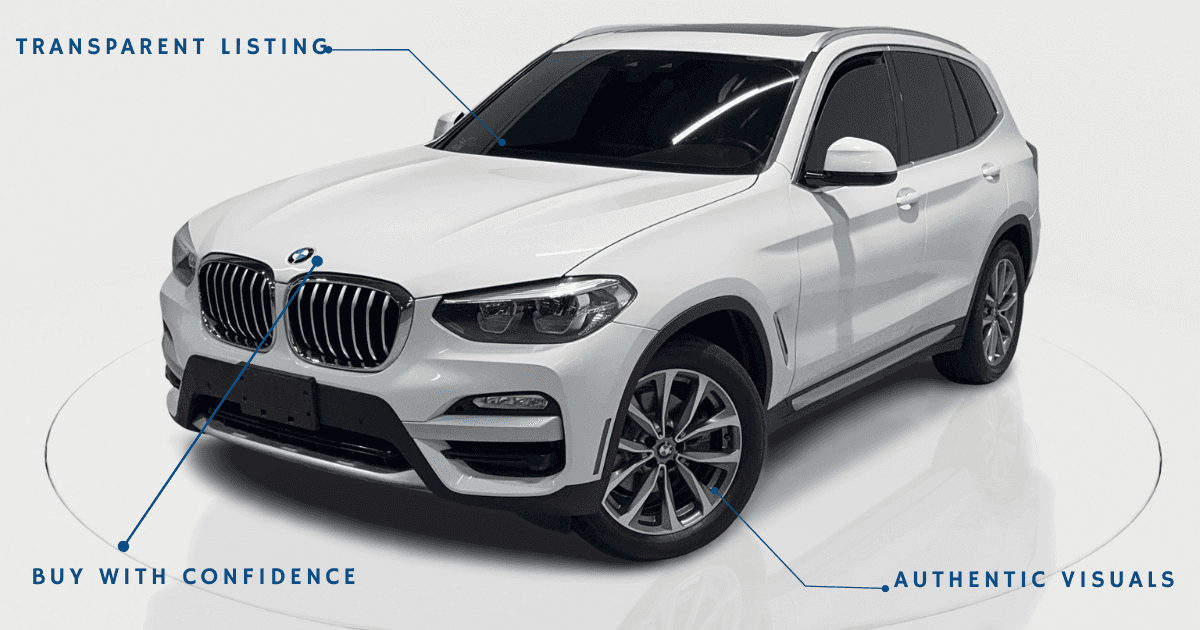
Transparent vehicle visuals build buyer confidence by showing the car as it actually is: a consistent photo set for every listing, close-ups of imperfections as well as features, complete coverage of exterior, interior and engine bay, and a video walkaround. Buyers trust listings that show the flaws.
Key takeaways
- Showing imperfections increases trust rather than reducing enquiries.
- A consistent photo standard signals a professional operation.
- Complete coverage removes the questions a buyer would otherwise have to ask.
- A video walkaround is the closest thing to an in-person inspection.
Why do transparent visuals matter?
Transparent visuals serve two purposes: they provide accurate information and build credibility. Buyers want to feel assured that what they see online reflects what they’ll experience in person. When dealerships prioritize authentic images, they:
- Set Realistic Expectations: Clear visuals prevent surprises when buyers visit the dealership.
- Highlight Value: High-quality images emphasize the vehicle’s strengths, from unique features to well-maintained interiors.
- Build Credibility: Authentic photos, including imperfections, demonstrate honesty and transparency, which buyers value.
Why do consistent photography standards matter?
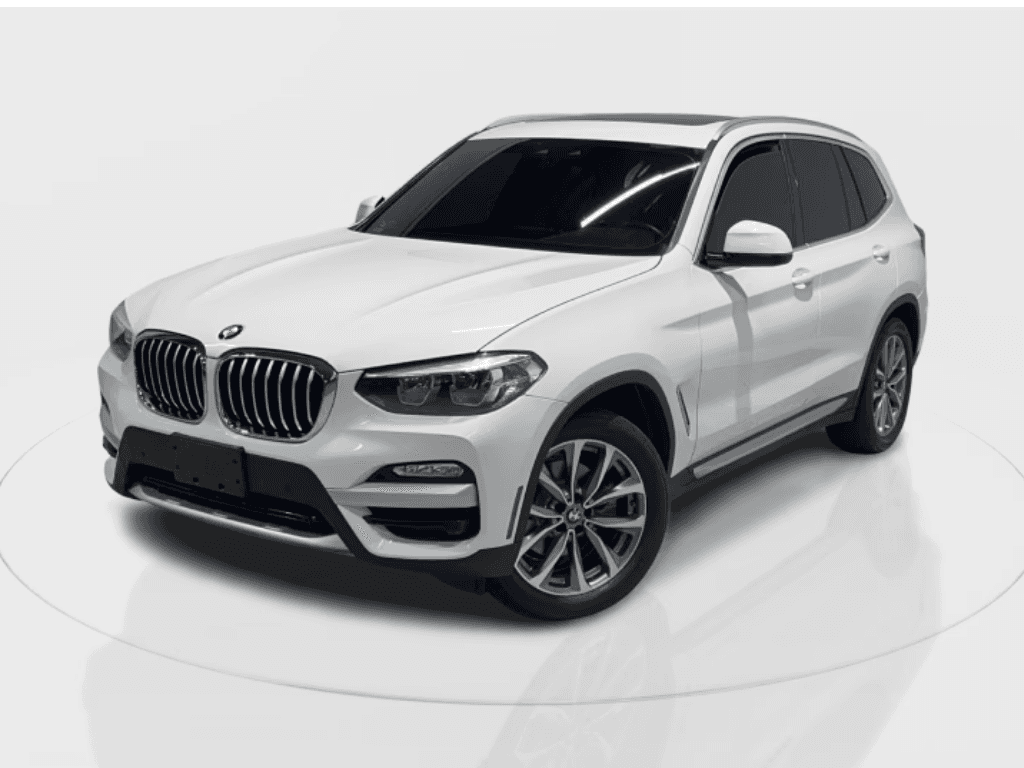 Consistency across your listings enhances professionalism and reassures buyers.
What to Do:
- Use the same background for all car images, whether it’s a clean outdoor lot or a neutral studio setting.
- Maintain consistent angles—front, rear, side, interior close-ups, and top-down views of features like the dashboard or trunk space.
- Align lighting and framing for all listings to create a cohesive appearance.
Should you photograph a car’s imperfections?
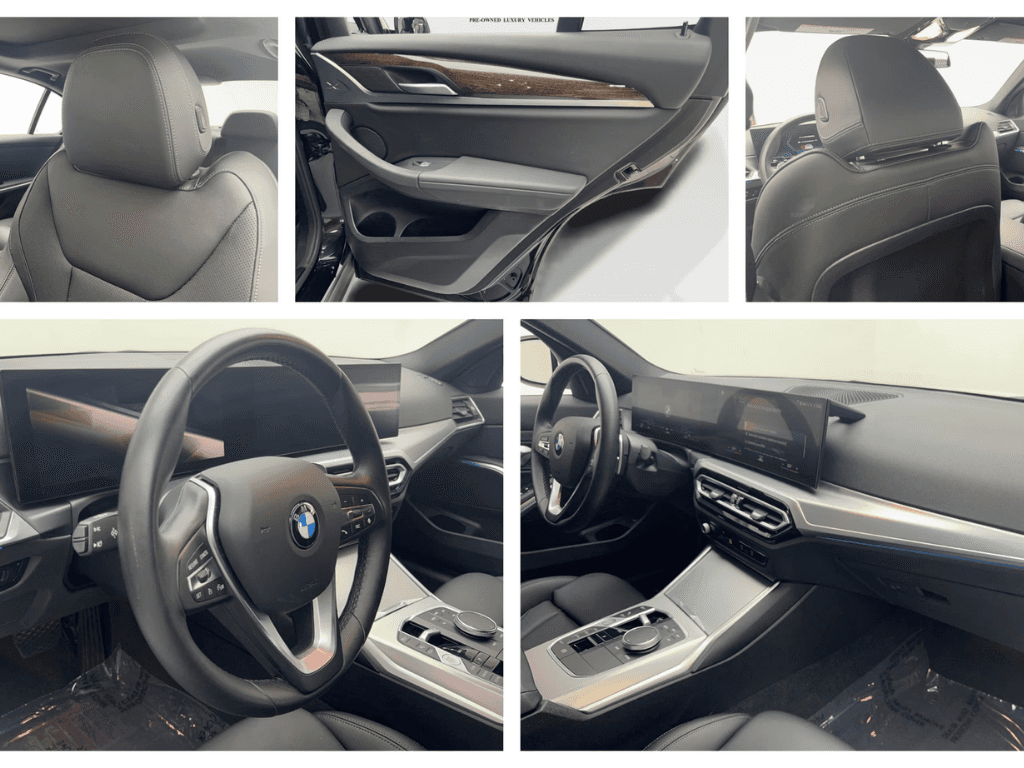 While showcasing a car’s best attributes is important, being honest about imperfections builds trust.
What to Include:
- Close-ups of desirable features, such as leather seats, infotainment systems, or premium wheels.
- Detailed shots of minor scratches, dents, or wear and tear to set realistic expectations.
- Include high-resolution images of essential details like the VIN (Vehicle Identification Number) plate and tire treads.
How many photos does a listing need?
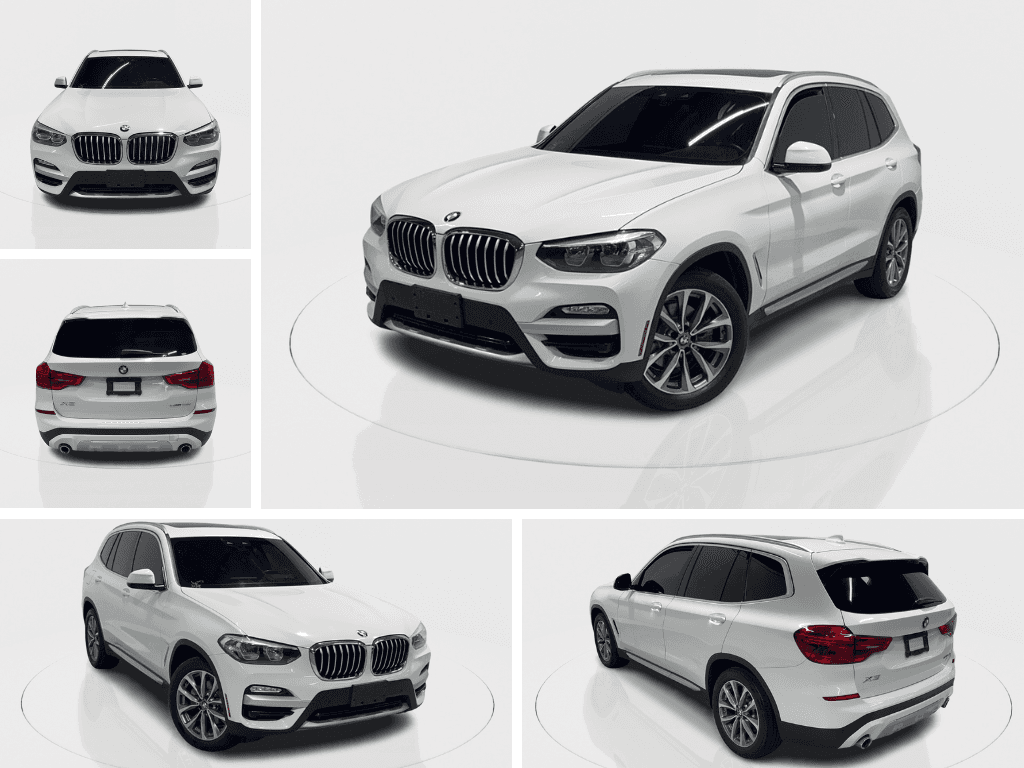 A well-rounded photo set can answer most buyer questions and reduce the need for follow-ups.
What to Include:
- Exterior: Capture the front, rear, side, and top angles to show the car’s overall condition.
- Interior: Highlight seats, dashboard, infotainment system, and cargo space.
- Underbody: Include undercarriage shots to reassure buyers of the vehicle’s structural integrity.
- Engine Bay: Showcase the engine in good lighting to highlight cleanliness and maintenance.
How sharp do listing images need to be?
Blurry or poorly lit images can erode buyer confidence. Ensure your visuals are sharp and professionally presented.
Tips for Optimization:
- Use a tripod or stabilizer to avoid shaky shots.
- Ensure even lighting to eliminate shadows or overly bright spots.
- Use high-resolution cameras or smartphones with HDR capabilities to capture details.
What background builds the most trust?
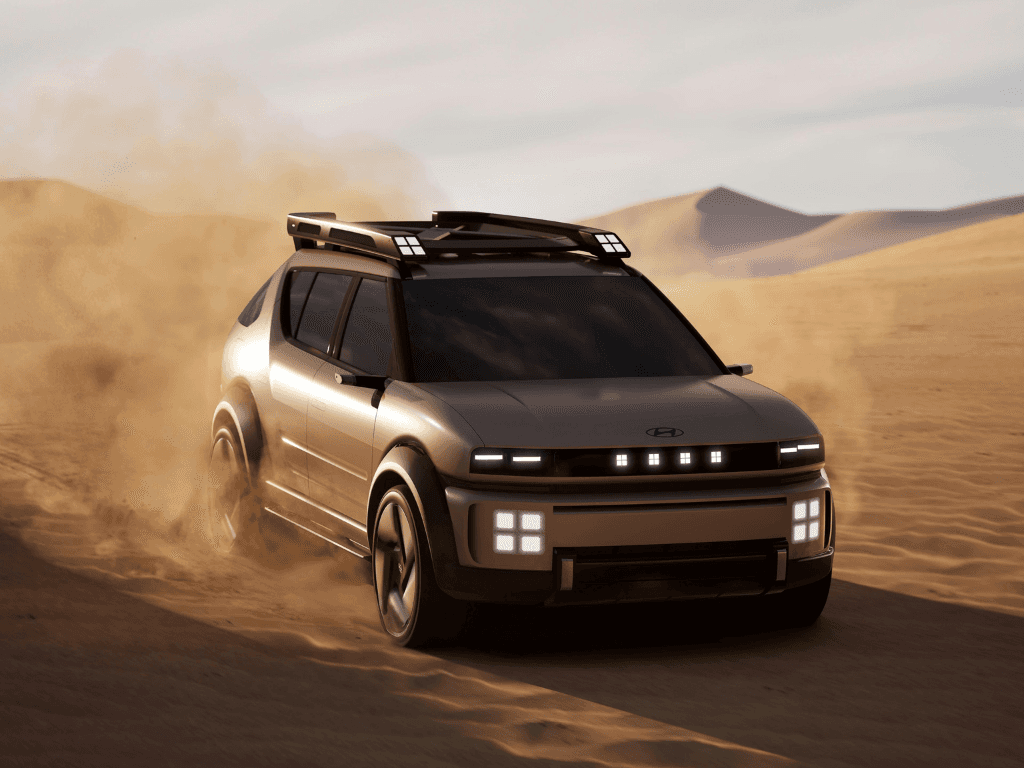 The right background can enhance the car’s appeal without distracting from the vehicle itself.
What Works:
- Neutral, clutter-free backgrounds such as parking lots, plain walls, or studio settings.
- Lifestyle-oriented backdrops for specific buyer segments, like SUVs pictured in scenic outdoor settings.
- Crowded, busy, or dirty locations that take attention away from the car.
- Reflections of people or equipment on the car’s glossy surfaces.
Does a video walkaround build more trust than photos?
Video walkarounds are a powerful way to provide transparency and authenticity.
Why Use Videos:
- Show the car from all angles, including its condition in motion.
- Highlight unique features, such as sunroofs, infotainment controls, or folding seats.
- Allow buyers to see the engine starting and hear the car running.
How honest should a listing description be?
Pair your visuals with accurate descriptions that match the car’s condition.
What to Include:
- Mileage, accident history, and service records.
- Detailed feature lists, such as safety systems, connectivity options, and recent upgrades.
- Honest assessments of the car’s condition, including any known issues.
8. How should you order photos in a listing?
The sequence a buyer scrolls through matters as much as the photos themselves.
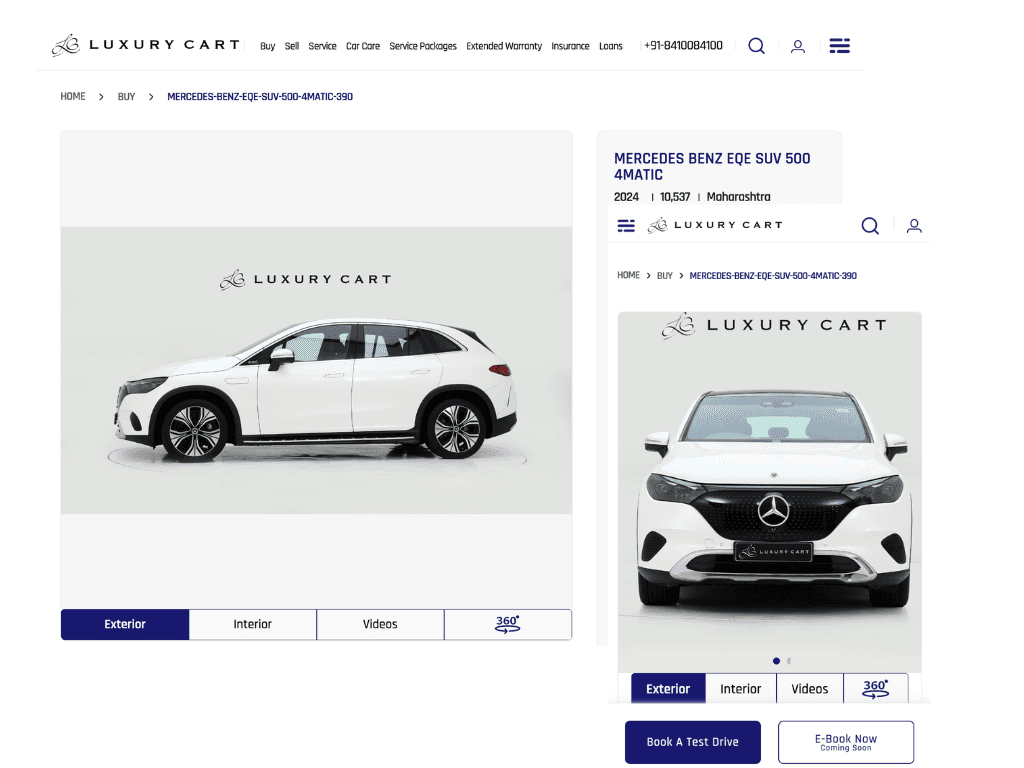
- Lead with the front three-quarter: It shows the front and one side together and reads well at thumbnail size.
- Then the remaining exterior angles: Rear three-quarter, both profiles, front and rear straight on, in the same order every time.
- Then the cabin: Dashboard, front seats, rear seats, boot.
- Close-ups and disclosure last: Wheels, tyres, service history, and any damage you have declared.
Why It Matters: A predictable order lets a returning buyer compare two cars on your lot without hunting for the equivalent shot.
Which visuals do buyers actually look for?
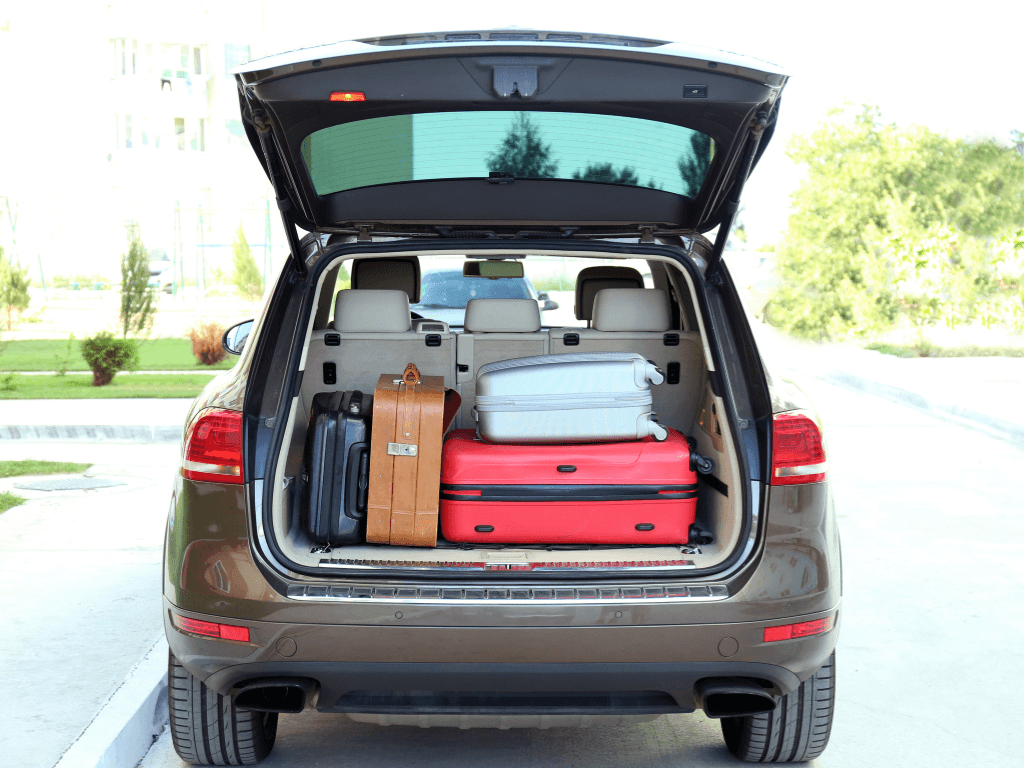 Think about what buyers care about most and tailor your visuals accordingly.
- Showcase cargo space for family-oriented buyers.
- Highlight fuel efficiency for budget-conscious shoppers.
- Use luxury backdrops for premium buyers.
How should you organise a listing’s visuals?
Ensure your images are well-organized and easy for buyers to navigate.
Tips:
- Present images in a logical order: exterior, interior, close-ups, and reports.
- Avoid mixing photos of different cars in a single listing.
Conclusion
High-quality, transparent visuals are a cornerstone of building trust in the automotive market. By prioritizing consistency, showcasing key details, and leveraging technology, you can create listings that inspire buyer confidence and drive sales. Authentic images don’t just show a car—they tell a story buyers can trust.
Frequently asked questions
How do you build trust with car listing photos?
Photograph every vehicle to the same standard, cover the exterior, cabin and engine bay completely, and show wear and damage deliberately in close-up rather than cropping around it.
Should you show damage in used car listing photos?
Yes. A buyer who finds undisclosed damage at the viewing distrusts everything else in the listing. Disclosing it upfront filters out the wrong buyers and makes the rest of the listing credible.
Does a video walkaround help build buyer trust?
It does more than stills can, because a continuous shot is harder to selectively crop. It shows the car as a whole and lets a buyer see panel gaps, paint finish and interior condition in context.
What makes a car listing look untrustworthy?
Too few photos, missing interior or engine shots, obvious crops around damage, heavily edited images, inconsistent quality across the dealership's listings, and stock photography instead of the actual vehicle.
HelloRamp.ai is AI visual merchandising for car dealerships: guided capture, daily social publishing and personalised video replies to leads, in one platform. Book a walkthrough using your own vehicles.