
The Power of Personalization in Car Visuals: Appealing to Different Buyer Segments
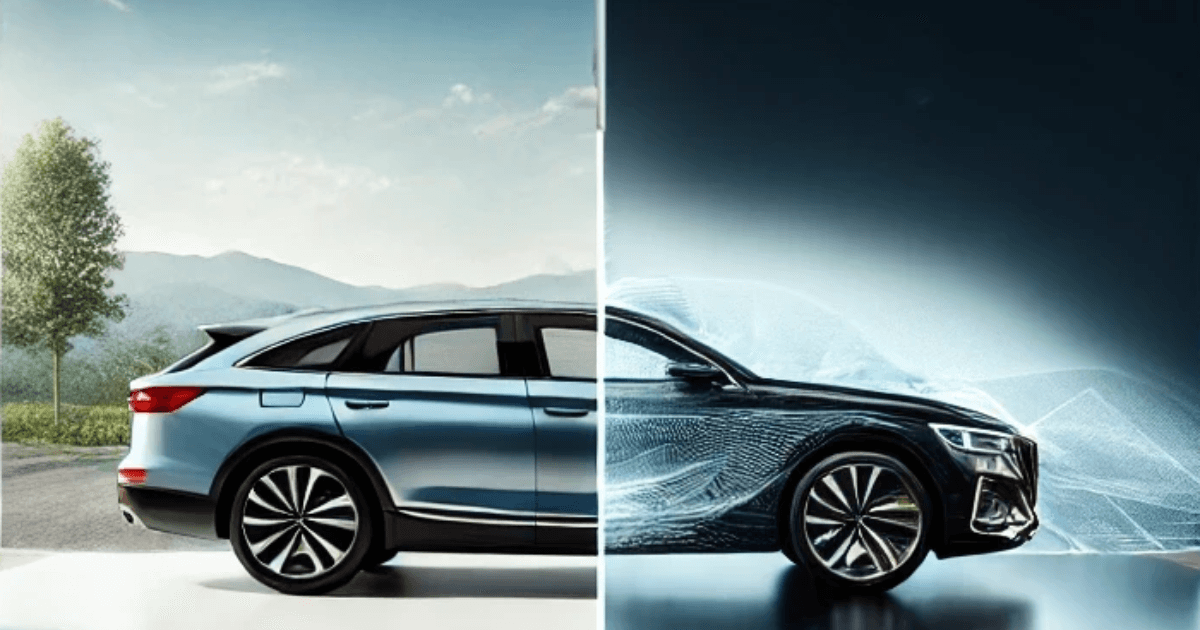
Personalising car visuals means presenting the same vehicle differently for different buyer segments: leading with price and running costs for budget-conscious shoppers, with finish and features for premium buyers, with space and safety for families. The car does not change; the emphasis does.
Key takeaways
- Different buyers need different facts first, from the same vehicle.
- Overlays and lead-image choice are the cheapest ways to change emphasis.
- Segment by what the buyer is solving for, not by price band alone.
- Keep the underlying listing set complete and honest for every segment.
Why does personalisation matter in car visuals?
Personalized car visuals create a stronger connection between the buyer and the listing by:
- Catering to Specific Needs: Highlighting features that matter most to a particular segment.
- Building Trust: Showing buyers that you understand their priorities and concerns.
- Boosting Engagement: Customized visuals are more likely to capture attention and keep buyers on your page longer.
- Improving Conversion Rates: Buyers are more likely to take action when they see a car presented in a way that resonates with them.
What are the main car buyer segments?
To create effective personalized visuals, it’s essential to understand the key buyer segments for car listings:
- Budget Buyers
- Priorities: Affordability, fuel efficiency, practicality, and reliability.
- Visual Preferences: Clean, straightforward visuals that emphasize value.
- Priorities: Luxury, comfort, technology, and status.
- Visual Preferences: High-end, polished visuals showcasing premium features.
- Priorities: Space, safety, and convenience.
- Visual Preferences: Images showing roomy interiors, child-friendly features, and ample cargo space.
- Priorities: Durability, off-road capability, and versatility.
- Visual Preferences: Rugged, action-oriented visuals that highlight the car’s adventurous side.
- Priorities: Efficiency, compact design, and ease of parking.
- Visual Preferences: Modern, vibrant visuals showcasing city-friendly features.
How do you customise visuals per buyer segment?
What do budget buyers respond to?
- Focus Areas:
- Highlight affordability through overlays (e.g., “Best Value” or “Low Mileage”).
- Show the car’s practicality, such as fuel efficiency and low maintenance costs.
- Use clean backgrounds to keep the focus on the car.
What do premium buyers respond to?
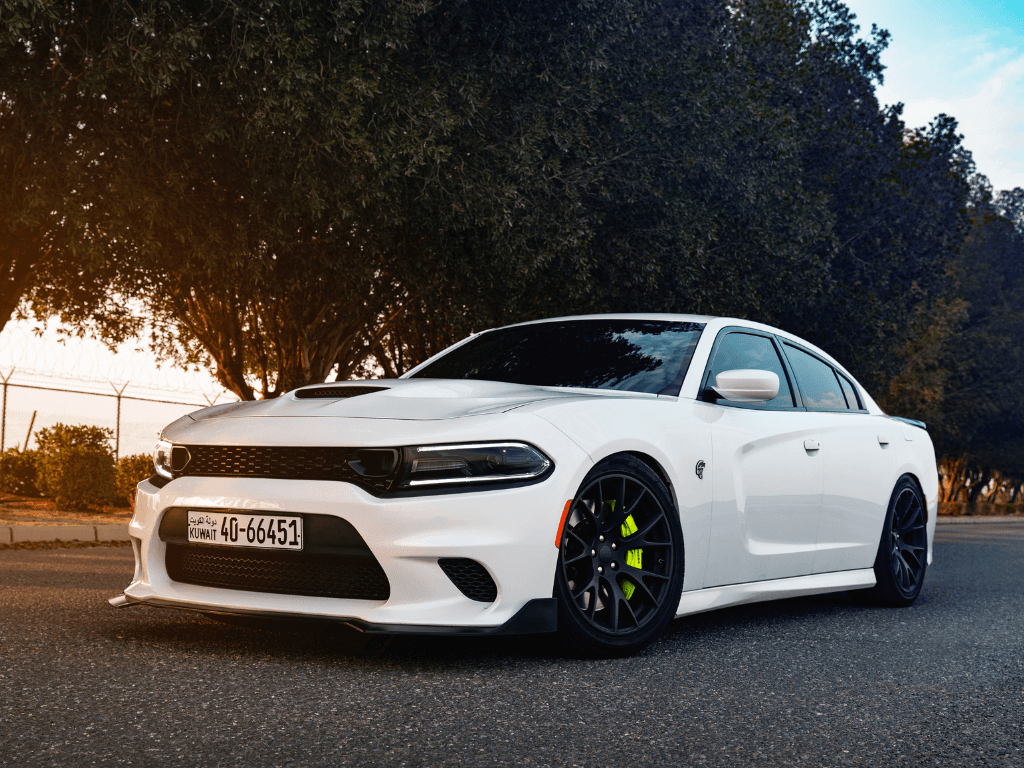
- Focus Areas:
- Emphasize luxury features like leather seats, panoramic sunroofs, or advanced tech.
- Use high-quality, polished images with soft lighting to create a sophisticated look.
- Include close-ups of premium materials and design details.
What do family buyers respond to?

- Focus Areas:
- Showcase spacious interiors, child safety locks, and ample trunk space.
- Include lifestyle visuals, like a family loading groceries or packing for a trip.
- Use warm, inviting backgrounds like parks or suburban homes.
What do adventure buyers respond to?

- Focus Areas:
- Highlight rugged features like all-terrain tires, roof racks, and high ground clearance.
- Use dynamic, outdoor settings like mountains, forests, or beaches.
- Include action shots, such as the car driving on a dirt trail or towing equipment.
What do urban commuters respond to?
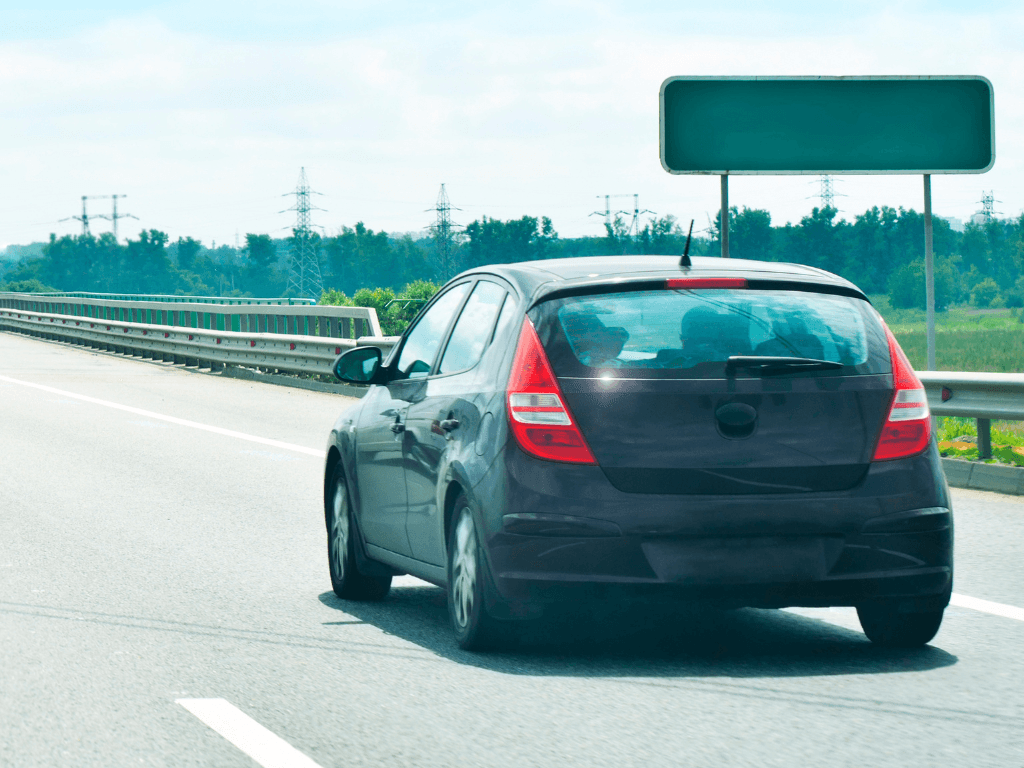
- Focus Areas:
- Emphasize compact design, ease of parking, and fuel efficiency.
- Use vibrant, urban settings like busy streets or parking lots.
- Highlight features like backup cameras or tight turning radiuses.
What tools personalise car visuals?
1. HelloRamp.ai
- Automatically adjust backgrounds to match specific buyer preferences.
- Add overlays like “Family-Friendly” or “Luxury Features” to highlight key selling points.
- Create consistent visuals across listings for different segments.
2. Canva
- Design tools for adding text overlays and branding to car visuals.
- Create unique visuals tailored to different buyer groups.
What are the best practices for personalisation?
- Understand Your Audience: Use buyer personas to tailor visuals to each segment’s preferences and priorities.
- Be Consistent: Ensure a cohesive look across all listings, even when customizing for different segments.
- Highlight Key Features: Focus on the features that matter most to each buyer group.
- Use Professional Tools: Leverage AI tools to simplify the process and maintain high-quality visuals.
- Test and Iterate: Track engagement metrics to see which visuals resonate most with your audience and refine your approach accordingly.
Conclusion
Personalizing car visuals to appeal to different buyer segments is a game-changer for online car listings. By tailoring visuals to highlight what matters most to each group—whether it’s affordability for budget buyers or luxury for premium shoppers—you can create a stronger connection with potential buyers, increase engagement, and drive more sales.
Frequently asked questions
What does personalising car visuals mean?
Presenting the same vehicle with different emphasis for different buyer segments, by changing the lead image, the overlays and the features called out, rather than by changing the vehicle.
What buyer segments should a dealership consider?
Commonly budget-conscious buyers, families, commuters, premium buyers and enthusiasts. Each cares about a different first fact: running cost, space and safety, efficiency, finish, or performance.
How do you personalise a car listing without re-shooting it?
Change the lead image and the overlay template. The same capture supports a price-led thumbnail, a feature-led one and a lifestyle-led one, generated per segment from one set.
Is personalising car visuals misleading?
Not if the underlying listing stays complete and accurate. Choosing which true fact to lead with is marketing; omitting damage or misrepresenting condition is not.
HelloRamp.ai is AI visual merchandising for car dealerships: guided capture, daily social publishing and personalised video replies to leads, in one platform. Book a walkthrough using your own vehicles.