
Automotive Digital Retailing Strategies for Dealerships
Automotive digital retailing is selling vehicles through online channels end to end: browsing, financing, trade-in valuation and paperwork, with the showroom visit optional. The strategies that matter are a consistent experience across channels, rich vehicle media, transparent listings, and fast personal follow-up.
Key takeaways
- Buyers now expect to complete most of the purchase before visiting the lot.
- Rich media, especially 360° views and video, does the work the showroom used to.
- Transparency in listings converts better than polish alone.
- Response speed is a competitive advantage most dealerships still leave on the table.
What is omnichannel car buying?
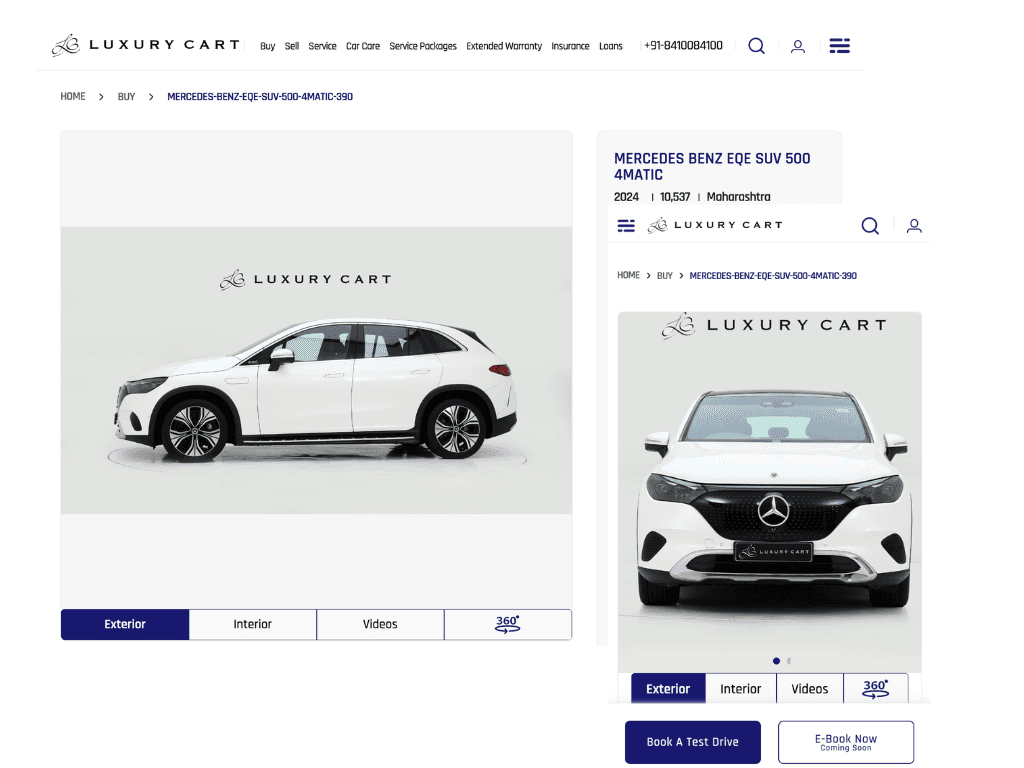 Buyers expect a unified experience across every touchpoint, whether browsing online, using a mobile app, or visiting a dealership in person.
What to Do:
- Integrate online and offline processes to allow buyers to seamlessly switch between channels.
- Ensure that customer data is consistent across platforms so buyers don’t have to restart their journey.
- Offer features like booking test drives online and continuing the purchase process at the dealership.
What is a virtual showroom for a dealership?
Virtual showrooms are no longer optional—they are essential for engaging modern buyers. With advances in AR (Augmented Reality) and VR (Virtual Reality), dealerships can now provide immersive experiences.
What to Do:
- Allow buyers to explore car models in 3D, customize features, and see how vehicles look in different colors and trims.
- Use AR to let buyers visualize how a car will look in their driveway or compare it to their current vehicle.
- Incorporate personalization by showing tailored recommendations based on buyer preferences.
How does online car financing work?
 Buyers value transparency and simplicity in financing. Digital tools that allow them to explore financing options and get pre-approved for loans are becoming critical.
What to Do:
- Provide financing calculators directly on your website, allowing buyers to adjust down payments, loan terms, and interest rates.
- Offer instant loan pre-approvals through partnerships with lenders.
- Display financing offers based on the buyer’s location and credit profile.
How is AI used in car sales?
AI-powered tools can revolutionize the car-buying experience by delivering highly personalized interactions.
What to Do:
- Use AI to recommend vehicles based on browsing history, preferences, and budget.
- Implement chatbots to answer buyer queries instantly and guide them through the process.
- Send tailored follow-ups, such as reminders about test drives or updates on price drops for saved vehicles.
How should a dealership optimise for mobile car buyers?
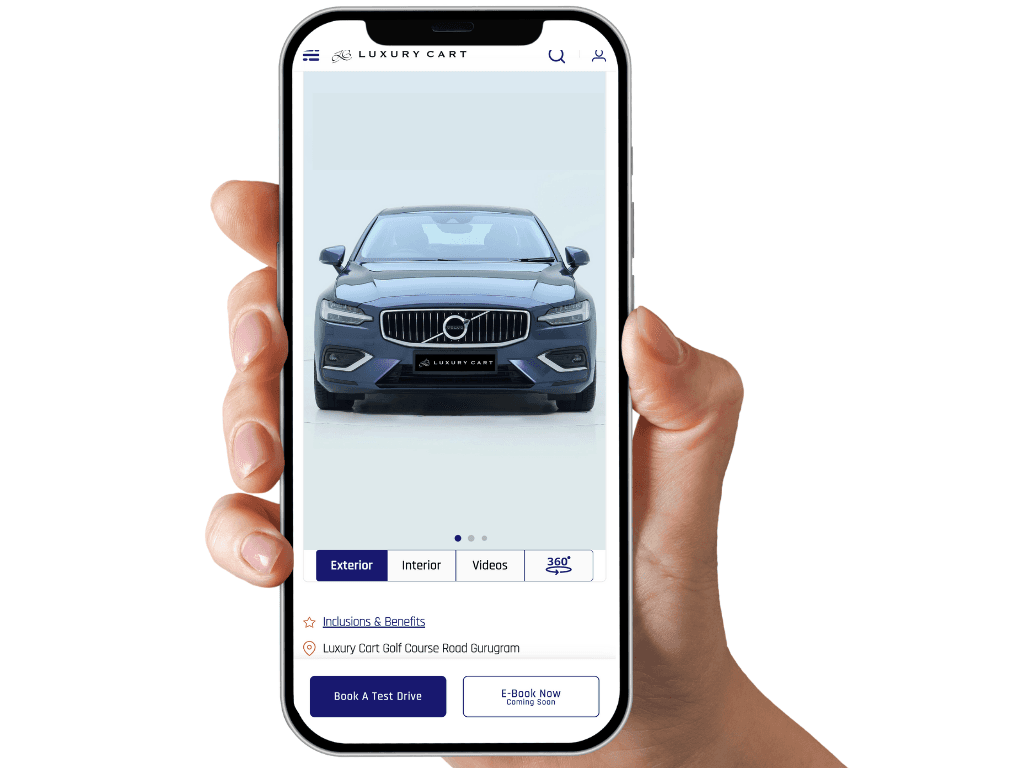 Mobile commerce dominates, with a growing number of buyers completing their car purchase journey on their smartphones.
What to Do:
- Ensure your website and tools are fully optimized for mobile devices, including fast-loading pages and intuitive navigation.
- Add mobile-friendly payment options like Apple Pay or Google Pay.
- Create dedicated mobile apps with features like push notifications for deals, reminders, and test drive updates.
What data should a dealership track online?
Data is the backbone of effective digital retailing. By analyzing customer behavior and trends, dealerships can make smarter decisions.
What to Do:
- Use analytics tools to track user engagement, including time spent on pages, drop-off points, and popular models.
- Implement predictive analytics to forecast demand and stock inventory accordingly.
- Monitor campaign performance and adjust marketing strategies in real time.
How do transparent listings build buyer trust?
Transparency is a key driver of customer trust and loyalty. Buyers want clear, honest information about the vehicles they’re considering.
What to Do:
- Include high-quality visuals of cars, showcasing both features and imperfections.
- Provide detailed vehicle histories, including maintenance records, accident reports, and mileage.
- Display clear pricing information with breakdowns of taxes, fees, and financing options.
Can dealerships sell cars through social commerce?
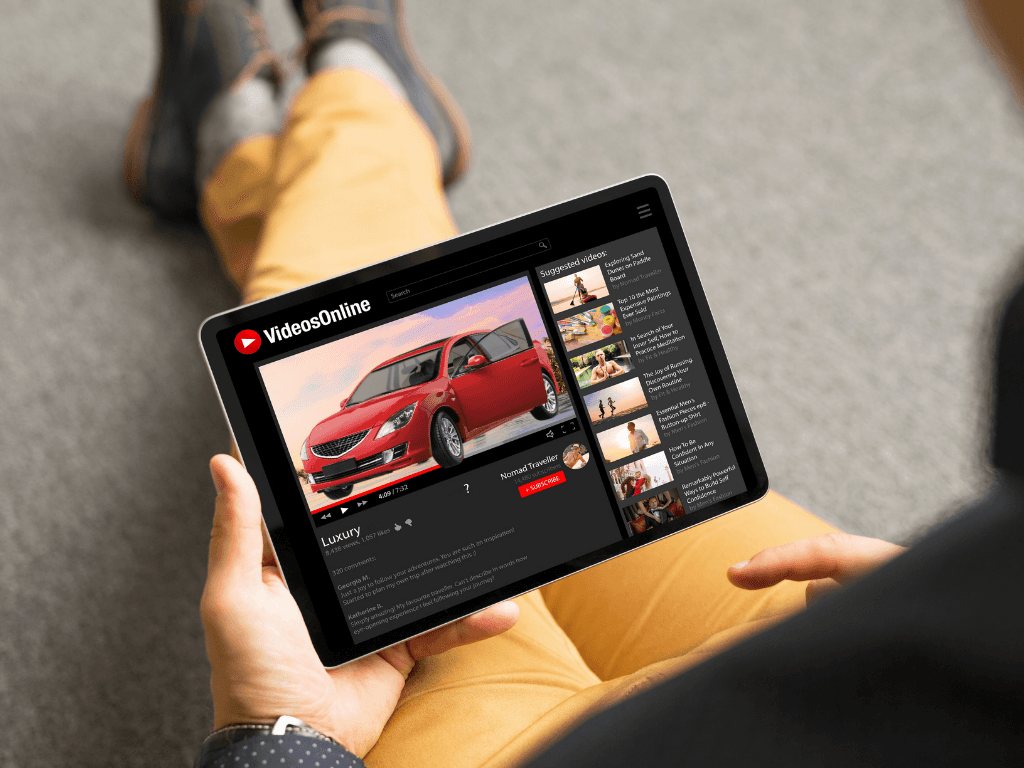 Social media platforms are becoming powerful tools for automotive retail. Buyers now expect to discover, engage, and even purchase vehicles directly through social channels.
What to Do:
- Run targeted ads on platforms like Facebook, Instagram, and TikTok to reach specific buyer segments.
- Use Instagram Stories and Reels to showcase new arrivals and promotions.
- Allow buyers to inquire or book test drives directly through social media.
What is a virtual test drive?
Virtual test drives provide buyers with an exciting, interactive way to experience a car without leaving their homes.
What to Do:
- Partner with platforms that offer virtual test drive capabilities.
- Use 360° videos or simulations to showcase how a car handles on the road.
- Incorporate interactive features that allow buyers to “drive” through various terrains or adjust settings like interior lighting.
How should a dealership keep in touch after the sale?
The buying journey doesn’t end after the sale. Post-sale engagement is crucial for building loyalty and generating repeat business.
What to Do:
- Send personalized emails or notifications for maintenance reminders and exclusive offers.
- Create customer portals where buyers can manage their vehicle information, warranties, and service history.
- Encourage reviews and testimonials by simplifying the feedback process.
Where should a dealership start?
Automotive digital retailing is about delivering personalized, seamless and engaging experiences. By embracing strategies like omnichannel integration, AI-driven personalization, virtual test drives, and enhanced digital financing, dealerships can stay ahead of the curve and meet the expectations of modern car buyers. With the right tools and technologies, you can turn digital challenges into opportunities and thrive in the competitive automotive market.
Frequently asked questions
What is automotive digital retailing?
Selling vehicles through online channels end to end: browsing, financing, trade-in valuation and paperwork completed online, with the showroom visit becoming optional rather than mandatory.
What do car buyers expect from a dealership website now?
Complete, honest vehicle media including interior and damage shots, transparent pricing, online financing and trade-in tools, and a fast personal reply when they enquire.
How important is video in automotive digital retailing?
It is the closest substitute for the walkaround a buyer would do in person, and it is the format that does most to close the gap between an online listing and a showroom visit.
How quickly should a dealership respond to an online lead?
As fast as you can make it. Response speed is one of the few levers a dealership controls entirely, and a personal video reply differentiates far more than a templated email.
HelloRamp.ai is AI visual merchandising for car dealerships: guided capture, daily social publishing and personalised video replies to leads, in one platform. Book a walkthrough using your own vehicles.