
Mastering Close-Ups: Capturing Key Details to Engage Car Buyers
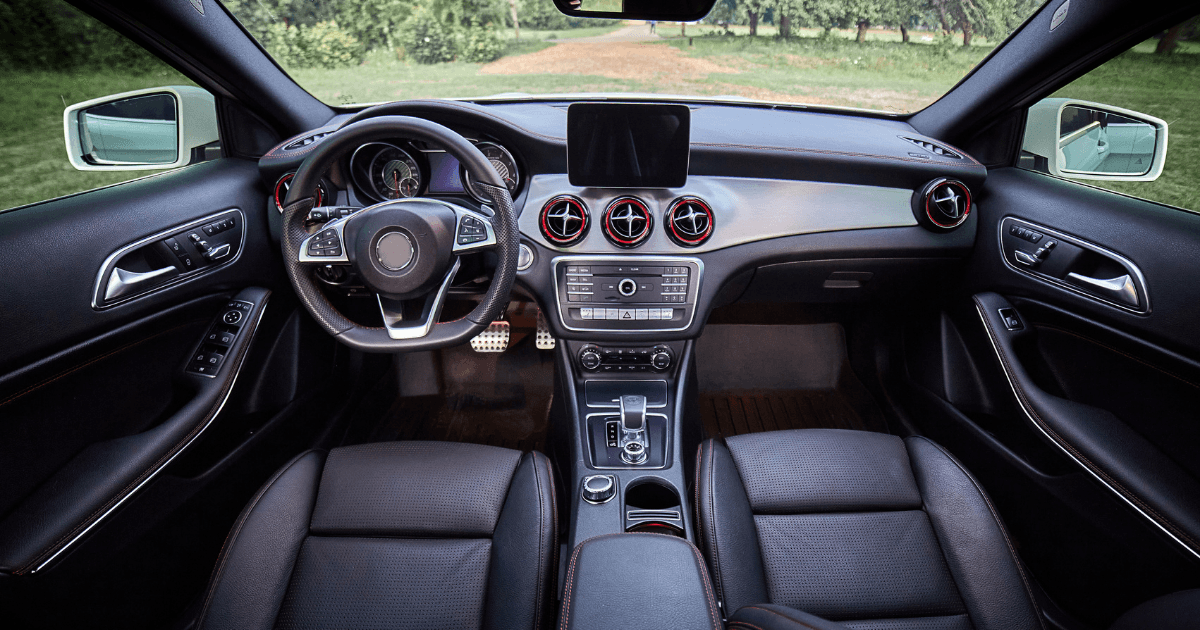
Close-up shots in a car listing are the detail images that let a buyer inspect the car: wheels and tyres, the VIN plate, upholstery and stitching, the dashboard and odometer, the engine bay, and any scratch, dent or wear. They answer the questions a wide shot leaves open.
Key takeaways
- Wide shots sell the car; close-ups are what convince a buyer it is honest.
- Photograph flaws deliberately rather than hoping they go unnoticed.
- The odometer, VIN and tyre tread are the details serious buyers look for first.
- Shoot close-ups in the same sequence every time so listings stay comparable.
Why do close-up car photos matter?
- Drive More Engagement: Listings with detailed close-ups tend to attract more clicks and inquiries because they show the car’s condition and features transparently.
- Build Trust: Buyers are more likely to trust listings that show imperfections or wear, as it makes the car feel authentic and not overly edited.
- Highlight Unique Selling Points: Close-ups allow you to showcase standout features like sunroofs, infotainment systems, or pristine upholstery, setting your car apart from the competition.
Which close-up shots should you capture?
Let’s break down the essential close-ups into four categories: Exterior Features, Interior Features, Functional Details, and Imperfections. Each plays a unique role in painting a complete picture of the car.
1. Exterior Features
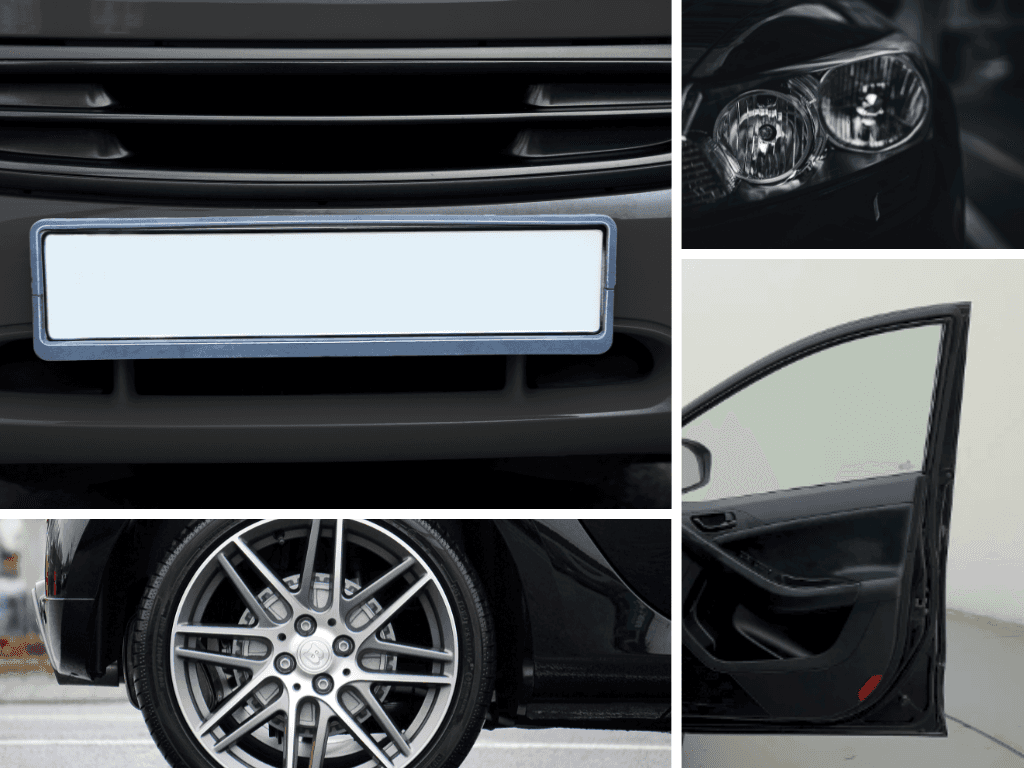
Close-ups of the exterior give buyers a clear view of the car's style, design, and condition.
- Windshield: Highlight the clarity and condition of the windshield, noting any features like tinted glass or defogging capabilities.
- Antenna/Roof: Capture details of the roof, including roof rails, sunroofs, or panoramic glass.
- Wheels and Tires: Show the rims, tread depth, and any unique wheel designs.
- Headlights and Taillights: Highlight the lighting condition, including unique features like LED or xenon lights.
- Paint and Trim: Include shots of the paint job to show its shine and condition, while also being honest about minor scratches or dents.
- VIN (Vehicle Identification Number): A clear photo of the VIN, typically on the dashboard near the windshield or door frame, builds buyer confidence by offering transparency.
2. Interior Features
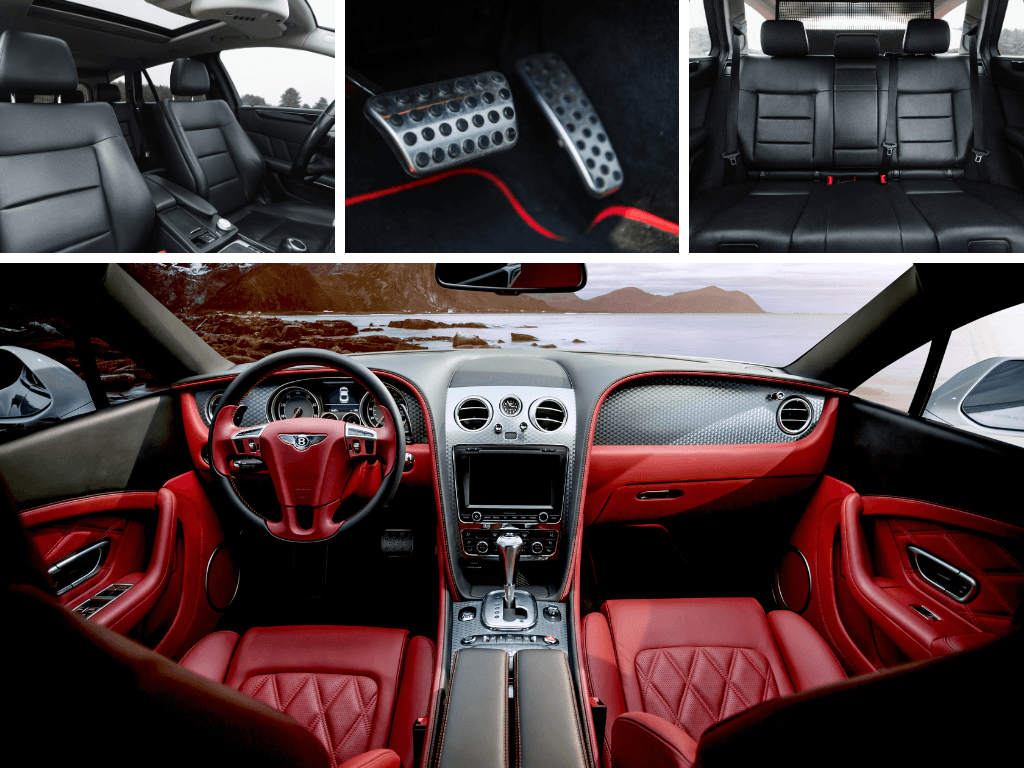
Buyers love to see the details inside the car as much as the exterior. Interior close-ups give a sense of space, comfort, and features.
- Dashboard and Infotainment System: Highlight the tech features, buttons, and any unique functionalities like touchscreen displays.
- Steering Wheel: Focus on the steering wheel design, materials, and buttons, showing any wear if applicable.
- Seats and Upholstery: Take clear shots of both the front and rear seats, emphasizing material quality, stitching, and any visible stains or tears.
- Floor Mats and Pedals: These might seem minor but show how well the car has been maintained.
3. Functional Details
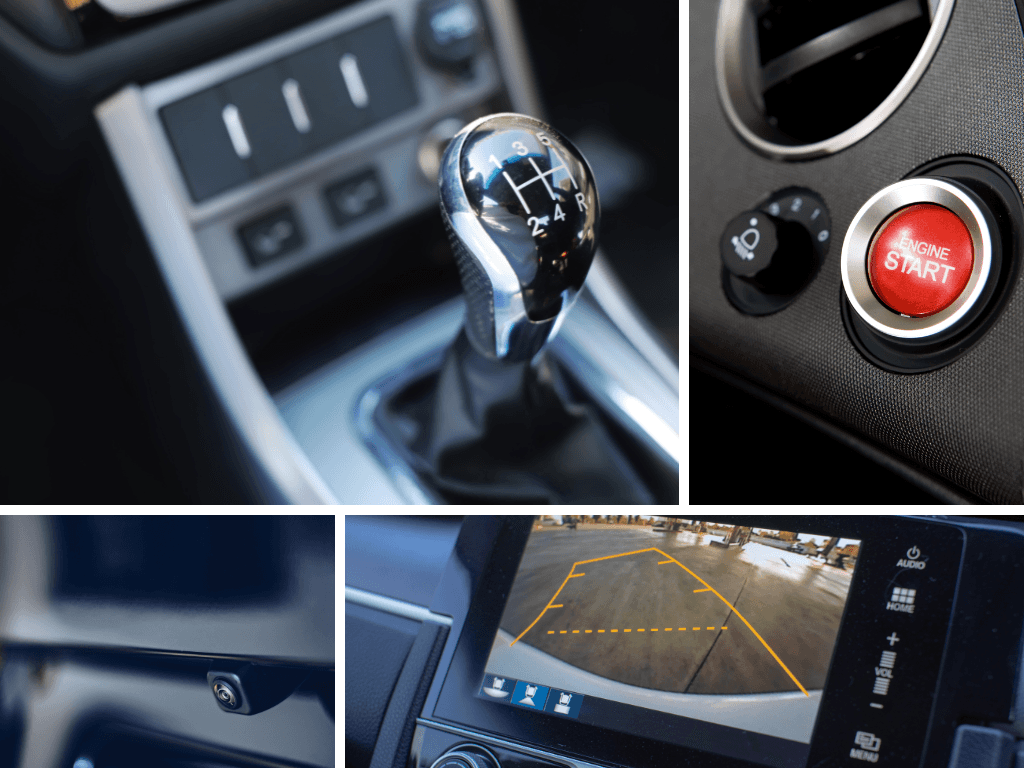
Functional features reassure buyers that the car is ready for everyday use.
- Push-Start Button or Key: Show these features clearly, especially for modern vehicles.
- Rear Parking Camera: Capture a close-up of the camera lens, highlighting its integration.
- Trunk Space: Showcase the trunk’s capacity, including foldable seats or hidden compartments.
- Underbody: A shot of the underbody is crucial to show there’s no rust or damage, particularly for buyers concerned about used car durability.
- Open Bonnet (Engine Bay): Highlight the cleanliness and organization of the engine bay.
4. Showing Imperfections
Buyers expect minor imperfections in used cars. Showing these honestly can build trust and avoid disappointment during in-person visits.
- Scratches and Dents: Take close-ups of any visible scratches, dents, or wear, ensuring buyers know what to expect.
- Wear and Tear: Highlight any natural wear on features like seat covers, steering wheels, or pedals.
Transparency is key; buyers appreciate knowing exactly what they’re getting, and close-ups are an easy way to communicate this.
How do you capture a good close-up?
- Good Lighting is Key: Use natural light whenever possible. Avoid harsh sunlight that creates shadows or glare, and ensure indoor lighting doesn’t distort colors.
- Steady Your Camera: Use a tripod or lean against a stable surface to prevent shaky shots.
- Focus on the Details: Tap-to-focus on a smartphone or manual focus on a DSLR ensures your subject is sharp and clear.
- Frame the Subject Well: Keep the background simple so the feature stands out. HelloRamp.ai even suggest framing adjustments in real time.
- Capture Multiple Angles: Don’t just take one shot. Experiment with angles to highlight the feature in the best way possible.
Conclusion
Close-ups are a crucial element of car photography, allowing buyers to inspect features, assess quality, and trust your listing. By focusing on key details across the exterior, interior, functional features, and imperfections, you can create a listing that engages buyers and builds confidence. Remember, it’s the details that help seal the deal!
Frequently asked questions
Which close-up shots should a used car listing include?
Wheels and tyre tread, the VIN plate, the odometer, the dashboard and controls, seat upholstery and stitching, the engine bay, and a deliberate shot of every scratch, dent or area of wear.
Should you photograph scratches and dents on a used car?
Yes. Buyers who discover damage at the viewing distrust the whole listing. Photographing it upfront filters out the wrong buyers and makes the rest of the listing credible.
How do you take sharp close-up car photos with a phone?
Tap to set focus on the detail rather than letting the camera choose, keep enough distance that the lens can focus, and shoot in even light. Avoid digital zoom, which just crops and softens the frame.
How many photos should a used car listing have?
Enough to cover the full exterior sequence, the cabin, and every detail a buyer would inspect in person, including flaws. The exact count matters less than the coverage being the same for every car.
HelloRamp Studio guides the walkaround, corrects the lighting and backgrounds, and produces the listing stills, the 360° spin and the video tour from one five-minute capture on a phone. No booth, rig or dedicated photographer.