
How to Sell a Car on Facebook Marketplace: The Dealership Workflow
To sell a car on Facebook Marketplace, you list the vehicle with strong photos, an honest complete description and a market-checked price, then win the sale in the messages by responding fast and personally. That one sentence is the whole method.
Key takeaways
- The difference between sellers who move cars and sellers who collect tyre-kickers is how seriously each clause of that sentence gets executed.
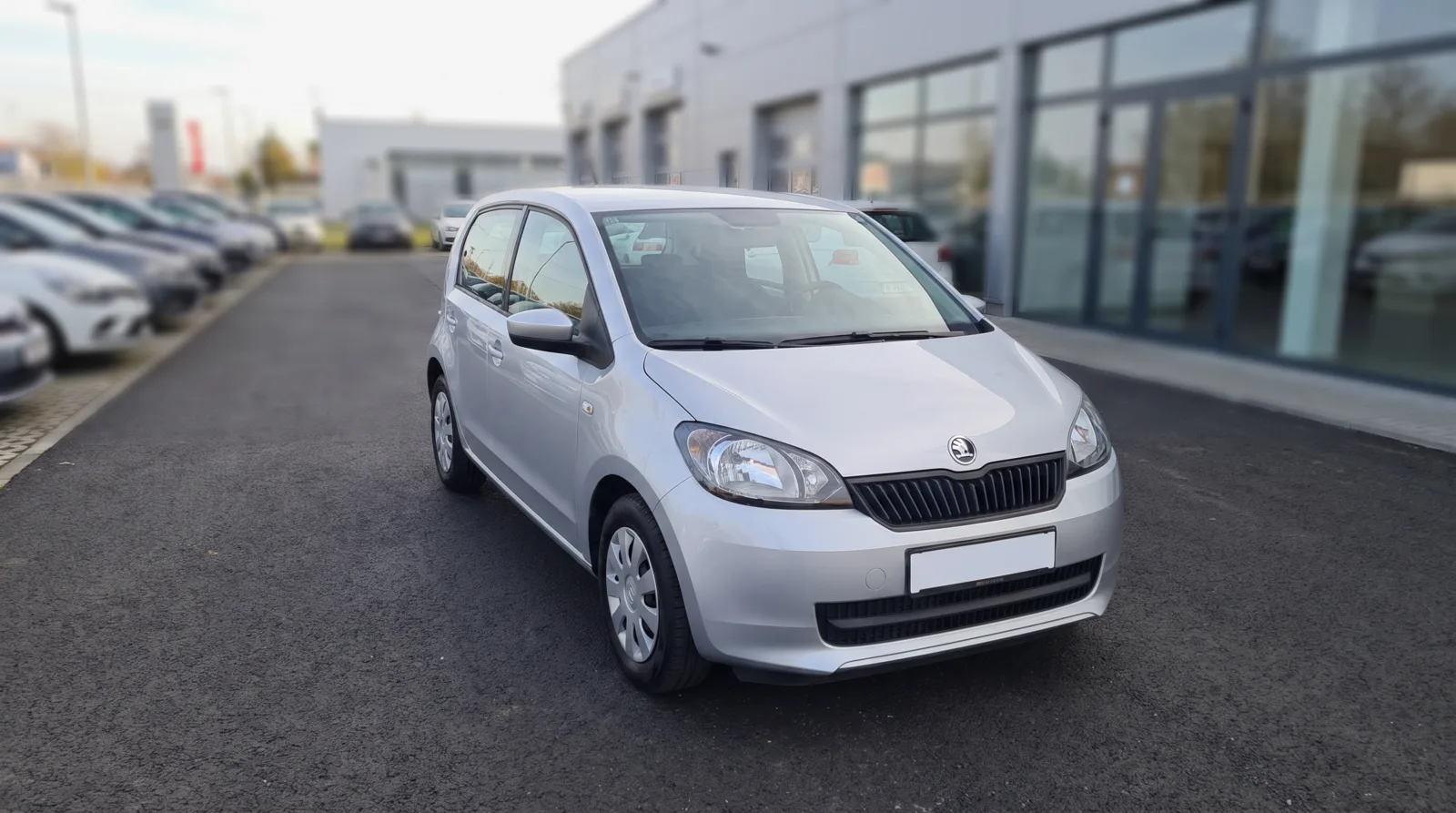
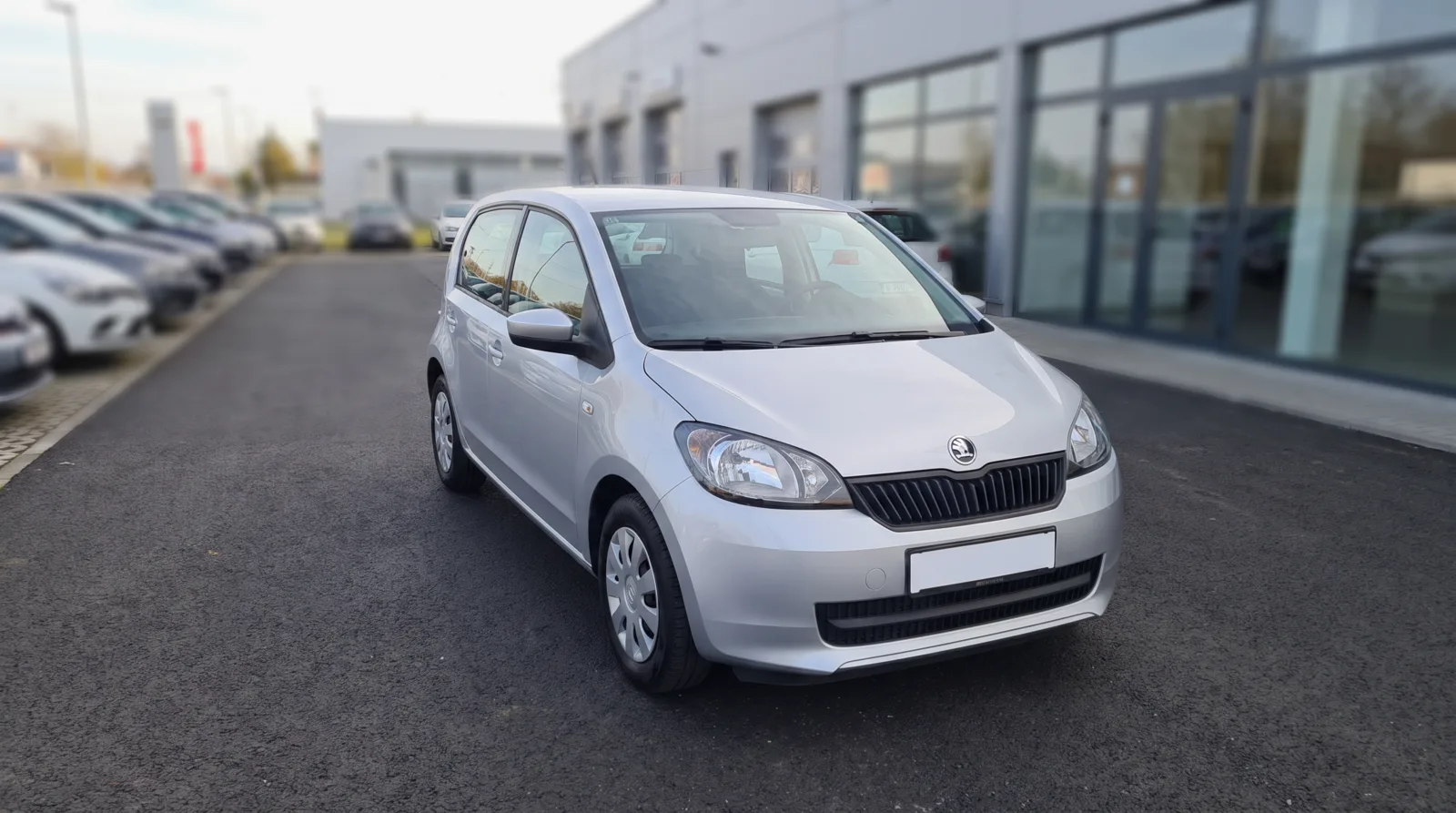
- Your first photo competes in a thumbnail grid on a phone. Studio-grade images beside driveway snapshots are the cheapest differentiation on the platform.
- Speed is the channel's entire currency. Dealers lose to private sellers who reply from their pocket in minutes.
- Stale listings are the quiet killer: sold cars still live, prices out of date. Every one burns trust and wastes staff time.
- Marginal cost of demand here is essentially zero. The winning move is purely operational.
Step one: the listing is the sale
Marketplace is scrolled at speed on a phone. Your first photo competes in a thumbnail grid, which sets the priorities.
| Element | What wins | What loses |
|---|---|---|
| Lead photo | Clean front three-quarter, good light, uncluttered background | Dark, angled, another car in frame |
| Gallery | Every angle, interior, odometer, honest wear | Six exterior shots and nothing else |
| Description | Year, trim, mileage, service position, known flaws, what the store handles | "Great condition, message me" |
| Price | Checked against live local comparables, refreshed as it ages | Set once at listing and forgotten |
| Response | Minutes | Next business day |
Description. Complete and honest: year, trim, mileage, service position, known flaws, and what the store handles (financing, trade-ins, warranty options). Answered questions in the description mean fewer dead-end messages and better-qualified ones. The flaw you disclose in the listing is the flaw that does not derail the deal in person.
Price. Marketplace buyers cross-shop instantly. Price against the live market, expect negotiation culture, and refresh pricing as the unit ages.
Step two: win it in Messenger
Marketplace leads arrive as conversations, and conversation is where dealers lose to private sellers — who reply from their pocket in minutes while store enquiries wait in a queue.
Speed is the channel's entire currency. An "is this available?" answered in two minutes converts; the same message answered tomorrow is a ghost, and you will never know whether it was the price or the wait.
Two habits change outcomes.
Real answers over auto-replies. Confirm availability, answer the actual question, and offer the next step: video, visit, or a hold. A templated "Thanks for your interest, one of our team will be in touch" is worse than silence, because it proves someone saw the message and still did not answer it.
Escalate to personal video when interest is real. A short personalised video reply showing the actual car turns an anonymous chat into a relationship. With HelloRamp Engage a rep sends one in about ten seconds, which fits Messenger's tempo in a way no callback does — the discipline behind it is covered in AI for dealership lead management.

Step three: the discipline nobody sees, sync
The quiet killer of dealership Marketplace programmes is stale listings: sold cars still live, prices out of date, photos missing.
Every stale listing burns trust with buyers and wastes staff time on unavailable-car messages. Worse, it trains your local audience that your listings cannot be believed, which is expensive to undo. Whatever your volume, someone or something must own the loop: new stock listed promptly, sold stock removed same-day, prices matched to the website.
At full-inventory scale, manual sync collapses. HelloRamp Social manages Marketplace listings as part of its publishing automation: new arrivals listed automatically with the right photos in the right order, listings taken down when the vehicle sells, and vehicles still unsold after 30 days relisted so they re-enter the feed as new. Every listing is policy-checked before it publishes, which matters more than it sounds — a suspended Marketplace account costs a store weeks of free demand.
The store gets the channel's demand without inheriting the channel's admin.
The Marketplace-specific traps
Marketplace has rules and habits that do not apply to the portals, and dealers tend to learn them the expensive way.
Account health is a real risk. Marketplace enforces commerce policies, and listings that trip them can cost you posting privileges rather than just one listing. Vehicle listings are generally well-tolerated, but sloppy duplicates, mismatched details and rapid bulk posting are not. A suspended account costs a store weeks of free demand and there is rarely anyone to appeal to.
Duplicates dilute you. The same car listed three times by three staff members competes with itself, splits the messages and looks like spam to both buyers and the platform.
Buyers know you are a dealer, so do not pretend otherwise. The conversational register that works here is a professional being straightforward, not a store imitating a private seller. Listing what you handle — financing, trade-ins, warranty — turns the dealer status into an advantage rather than something a buyer discovers and resents.
Aged listings go invisible. A car that has sat untouched for weeks stops surfacing. Relisting it puts it back in the feed as new, which is why the 30-day relist above matters more than it sounds.
Step four: treat it as a channel, not a hack
Measure Marketplace like any other source: listings live, message volume, response time, appointments and units delivered.
Response time is the one worth putting on a wall. It is the only metric here you control completely, it is the one buyers judge you on, and unlike photo quality or pricing it can be fixed this afternoon without spending anything.
Feed its best-performing cars and photo styles back into your social content, since the same audience sees both — a body style that moves on Marketplace is worth featuring in the feed.
And keep expectations calibrated. Marketplace skews toward value-priced used inventory and conversational buyers; it complements the portals and your website inside a broader lead generation mix, it does not replace them. A store that abandons its paid sources because Marketplace is free will discover what the portals were actually doing.
Done with this discipline, Marketplace is the rare channel where the marginal cost of demand is essentially zero and the winning move is simply operational: better photos, faster replies, cleaner sync than the dealer across town.
Frequently asked questions
Can car dealerships sell on Facebook Marketplace?
Yes. Dealerships list and sell vehicles on Marketplace, and it functions as a high-volume free demand channel. The operational requirements are listing quality, fast conversational response and disciplined inventory sync.
How do I make my car stand out on Facebook Marketplace?
Lead with a professional-quality front three-quarter photo, provide complete honest details including flaws, price to the live market, and respond to messages within minutes. Studio-grade photos are the biggest visible differentiator in the feed.
Why is nobody responding to my Marketplace car listing?
Usually one of three causes: the lead photo does not survive the thumbnail test, the price is off the local market, or the listing has aged. Refresh photos, re-check comparable listings and update pricing.
How do dealerships manage Marketplace listings at scale?
Through automation that creates listings from existing vehicle media and keeps them in sync with inventory, adding new units, removing sold ones and relisting aged stock, without manual per-car admin.
How fast should a dealer reply to a Facebook Marketplace message?
Within minutes. Marketplace buyers are messaging several sellers at once and private sellers reply from their pocket. An 'is this available?' answered in two minutes converts; the same message answered tomorrow is a ghost.
HelloRamp Studio guides the walkaround, corrects the lighting and backgrounds, and produces the listing stills, the 360° spin and the video tour from one five-minute capture on a phone. No booth, rig or dedicated photographer.