
Best Times of Day for Outdoor Car Photography
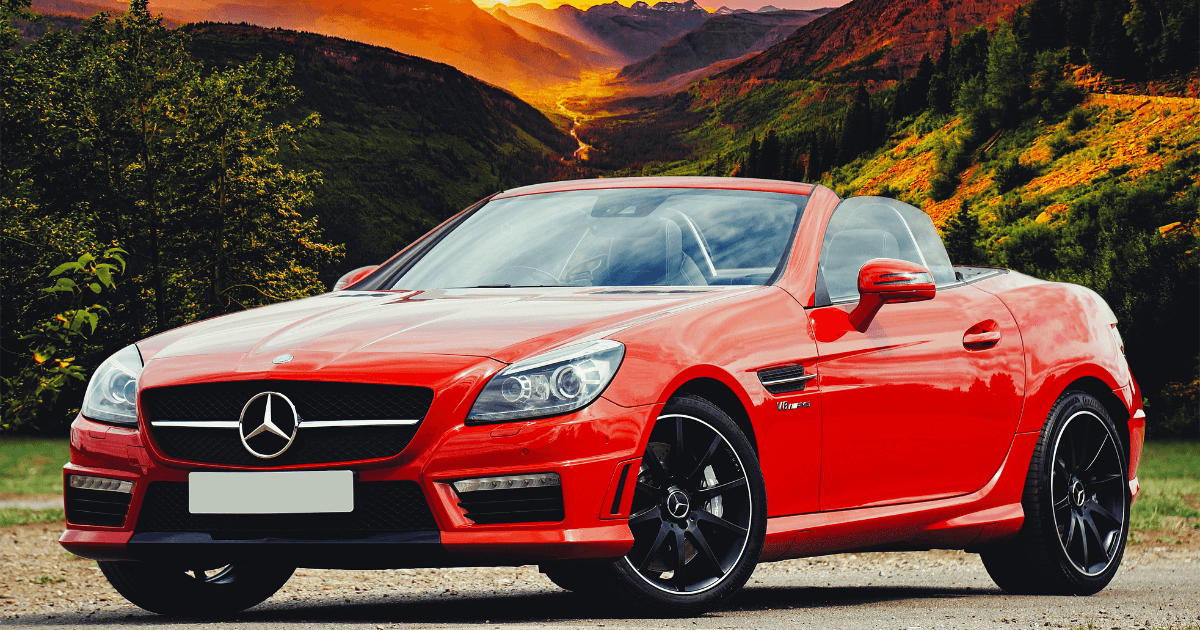
The best times for outdoor car photography are the golden hours, roughly the first hour after sunrise and the last hour before sunset, when low, warm light wraps the bodywork without hard reflections. Overcast days work all day. Direct midday sun is the one condition to avoid: it blows out highlights and casts hard shadows.
Key takeaways
- Golden hour gives soft, directional light and the cleanest reflections on paint.
- An overcast sky is a free softbox and gives usable light for the whole working day.
- Midday sun produces blown highlights, hard shadows and visible glare on glass.
- Blue hour suits dramatic marketing shots, not the accurate colour a listing needs.
Why does timing matter in car photography?
The position and intensity of the sun throughout the day affect how light falls on the car, influencing:
- Shadows and Highlights: Harsh shadows can obscure details, while soft lighting enhances them.
- Reflections: Direct sunlight can cause unwanted glare on windows and paint.
- Color Accuracy: Poor lighting can distort the car’s color, making it appear dull or overly saturated.
Choosing the right time to shoot ensures your car looks professional, appealing, and true-to-life in online listings.
Why is golden hour best for car photos?
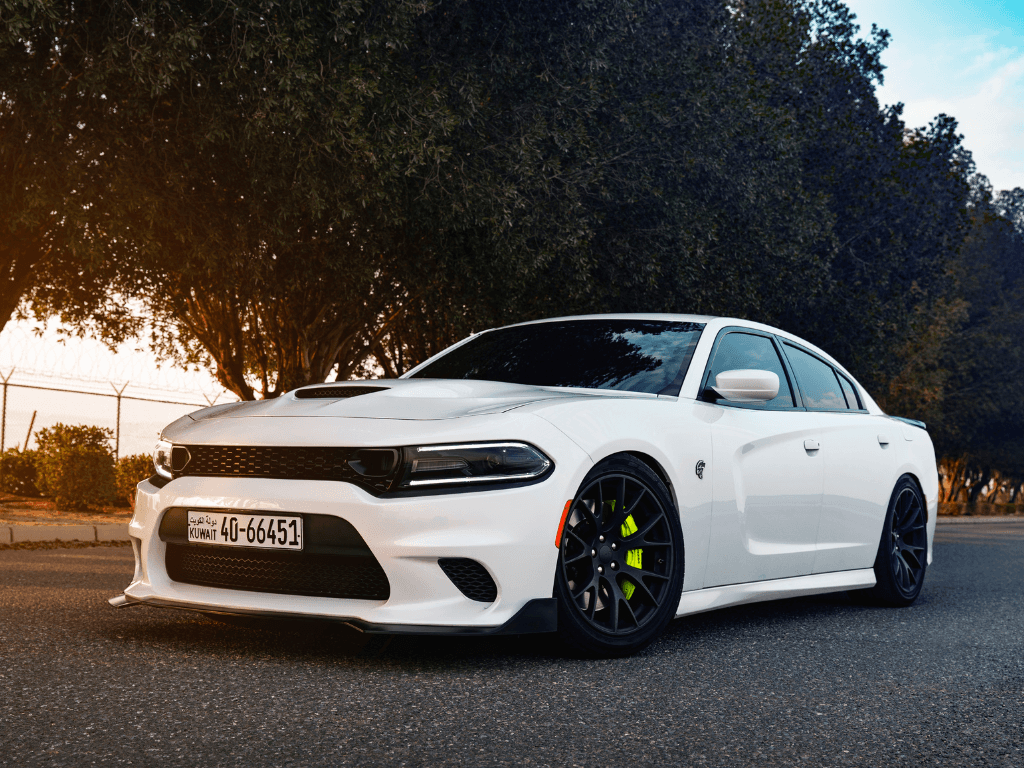 The golden hour, occurring shortly after sunrise and before sunset, is often considered the best time for outdoor car photography. During this period, the sun is low on the horizon, providing soft, warm, and diffused light.
Advantages:
- Soft Shadows: Minimizes harsh contrasts and enhances the car’s shape.
- Warm Tones: Adds a natural golden hue to photos, making them visually appealing.
- Fewer Reflections: The angle of the light reduces glare on the car’s windows and body.
Tips:
- Position the car to maximize the play of light and shadow on its curves.
- Use a tripod for steady shots in the lower light conditions of early morning or late afternoon.
Can you photograph cars mid-morning or mid-afternoon?
 After the golden hour and before the sun reaches its peak, mid-morning and mid-afternoon provide balanced lighting conditions.
Advantages:
- Consistent Lighting: Ideal for maintaining uniform lighting across multiple car photos.
- Mild Shadows: Shadows are present but not as harsh as at noon.
Tips:
- Avoid direct overhead sunlight by positioning the car so the light hits it from an angle.
- Use a polarizing filter to minimize reflections on shiny surfaces.
Can you photograph cars on a cloudy day?
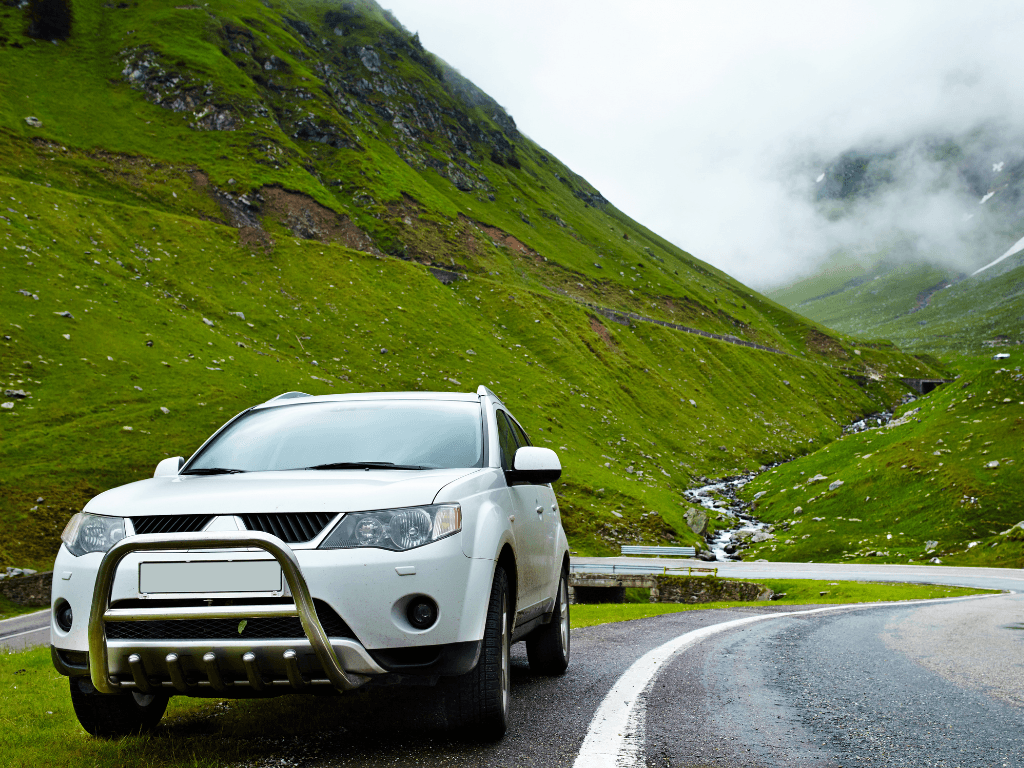 While not a specific time of day, overcast skies provide even, diffused light that’s great for car photography.
Advantages:
- No Harsh Shadows: Cloud cover eliminates hard shadows and glare.
- True Colors: Cars with vibrant colors like red, blue, or metallic finishes appear more natural.
Tips:
- Avoid dull-looking photos by adjusting your camera’s white balance for cloudy conditions.
- Use reflectors to add light to areas that might appear too flat or dark.
Why should you avoid midday sun?
Midday, when the sun is directly overhead, is the least ideal time for outdoor car photography. The intense light creates harsh shadows and unflattering reflections.
Challenges:
- Strong Shadows: Details on the lower parts of the car may be lost.
- Overexposed Areas: Bright spots on the car can wash out details.
- Color Distortion: White cars may appear overly bright, while darker colors may lose depth.
Workarounds:
- If midday is unavoidable, use diffusers or reflectors to soften the light.
- Position the car in a shaded area for more even lighting.
What is blue hour, and when should you use it?
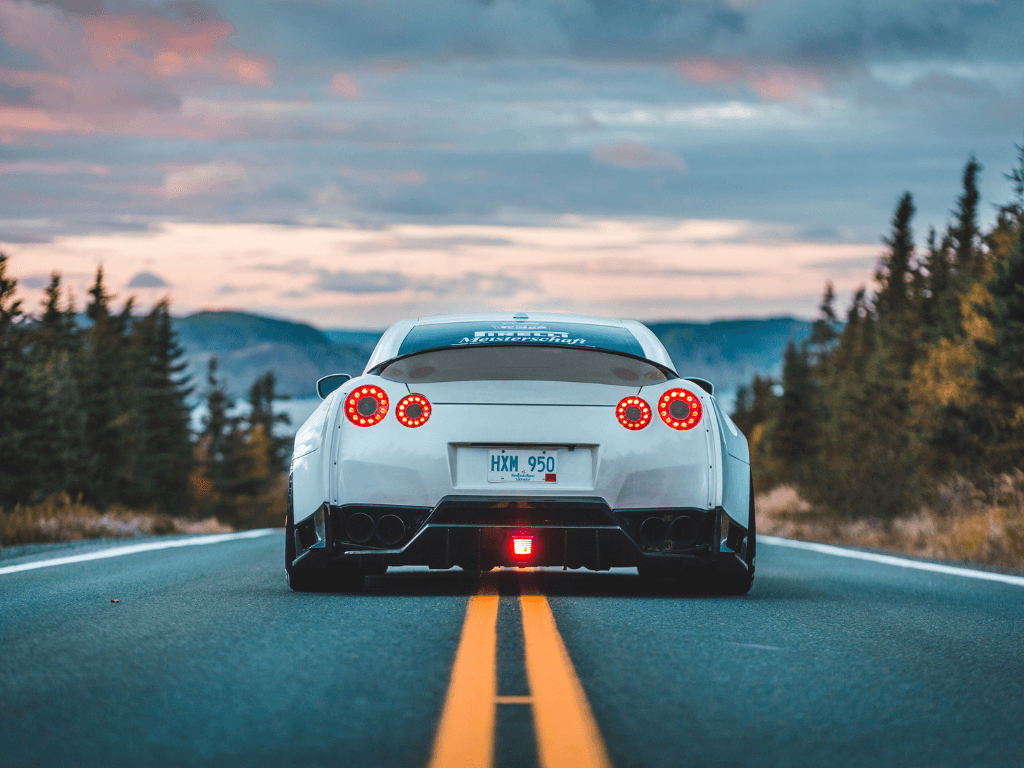 The blue hour, shortly after sunset or before sunrise, creates a unique ambiance and suits brand and marketing shots. It is not for listing photography: the cool light shifts paint colour and hides condition detail, which is the opposite of what a buyer needs from a listing.
Advantages:
- Soft Lighting: Highlights the car’s shape without harsh contrasts.
- Atmospheric Effect: Adds a dramatic and stylish touch to your photos.
Tips:
- Use longer exposure times to capture more light.
- Highlight the car’s headlights or other illuminated features for a striking effect.
What other tips help with outdoor car photography?
- Plan Your Shoot: Use apps like Photopills or The Photographer’s Ephemeris to determine the best lighting conditions for your location.
- Positioning is Key: Position the car to face or side-angle the light source to minimize shadows and reflections.
- Adjust for Transparency: Highlight imperfections for transparency, as this builds trust with buyers.
Conclusion
The time of day you choose for car photography can make or break your images. The golden hour offers soft, warm light, while overcast conditions provide even lighting. Midday should generally be avoided, but with the right techniques and tools, even challenging conditions can produce great results.
Frequently asked questions
What is the best time of day to photograph a car outdoors?
Golden hour: the hour after sunrise or the hour before sunset. The light is low, soft and directional, which shows the car's shape without hard reflections or blown highlights.
Can you photograph cars on a cloudy day?
Yes, and it is often easier. An overcast sky acts as a giant diffuser, giving even light with no hard shadows, and it stays usable for most of the day rather than for one hour.
Why should you avoid photographing cars at midday?
Overhead sun creates hard shadows under the car, blows out highlights on the bodywork and throws strong glare across glass and chrome. Colour accuracy suffers too.
What is blue hour in car photography?
The short window just after sunset when the sky is deep blue and ambient light is low. It suits dramatic brand and marketing shots, but it distorts paint colour, so it is a poor choice for a listing.
HelloRamp Studio guides the walkaround, corrects the lighting and backgrounds, and produces the listing stills, the 360° spin and the video tour from one five-minute capture on a phone. No booth, rig or dedicated photographer.