
Best Angles and Compositions for Car Photography
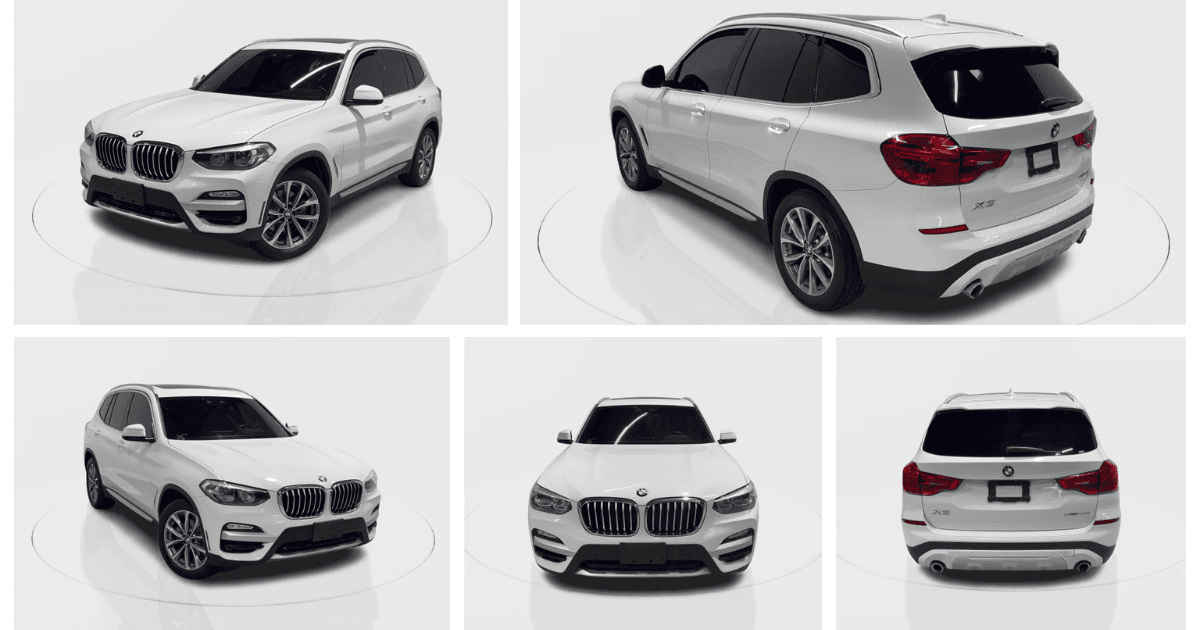
Car photography angles are the fixed set of viewpoints a listing needs: a front three-quarter lead shot, straight front and rear, both side profiles, the cabin, and close-ups of the wheels, VIN and any damage. Shot in the same order every time, they let a buyer inspect the car without standing next to it.
Key takeaways
- The front three-quarter is the lead image, because it shows the front and one side in one frame.
- Shoot the same sequence for every car so a buyer can compare listings without re-learning the layout.
- Close-ups of the VIN, wheels and any imperfection do the trust work that wide shots cannot.
- A basic DSLR or a good smartphone is enough; the sequence matters more than the camera.
Which exterior shots of the car do you need?
Front: Take a straight-on shot of the front of the car. This angle showcases the car's grille, headlights, and overall face, giving buyers a sense of the model's personality.

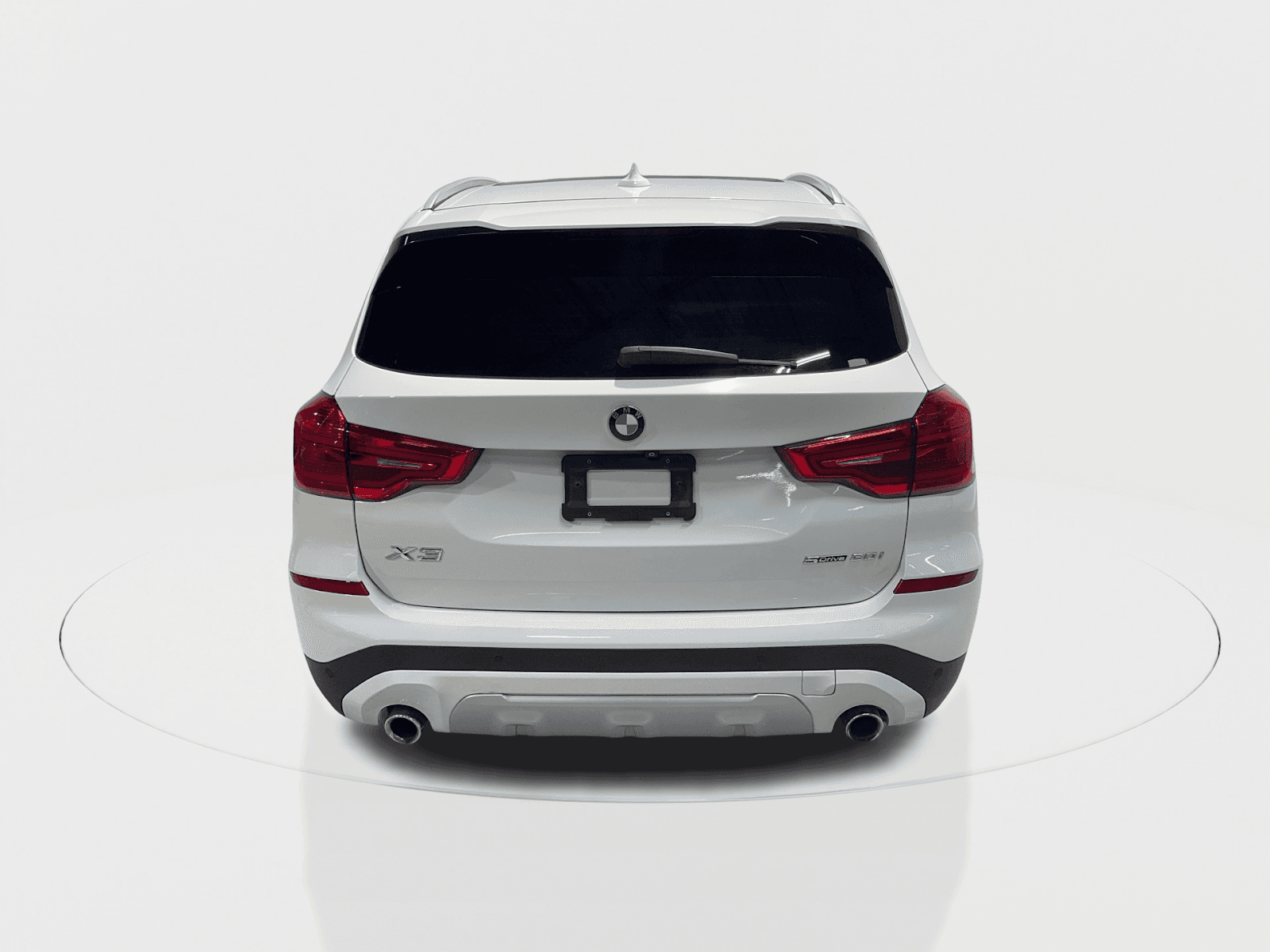
Rear: A direct shot from behind shows the car's tail lights, rear bumper, and any unique design elements on the back.
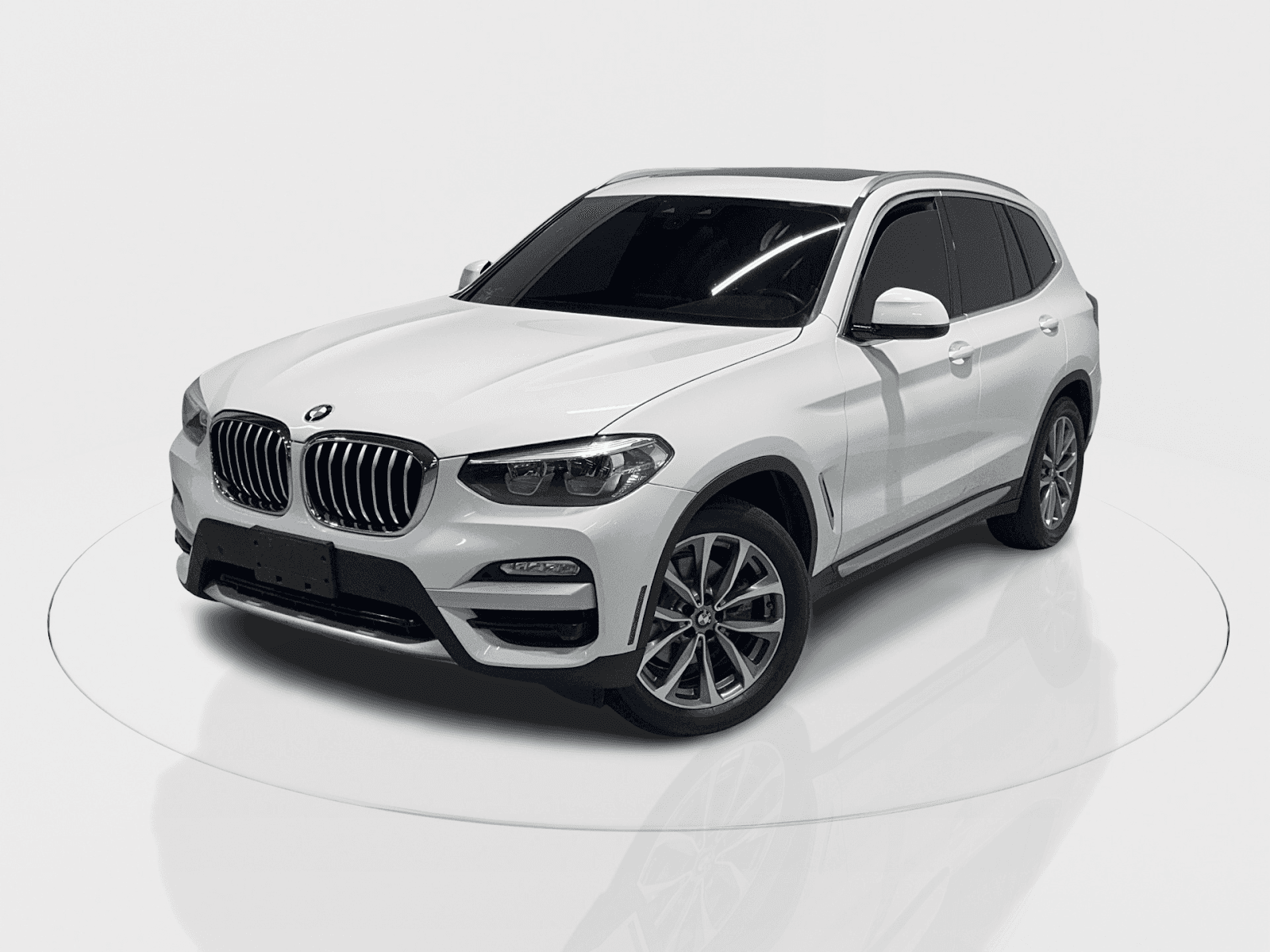
Front Left Diagonal: This ¾ front view angle captures both the front and left side, providing a good look at the shape and design of the car.
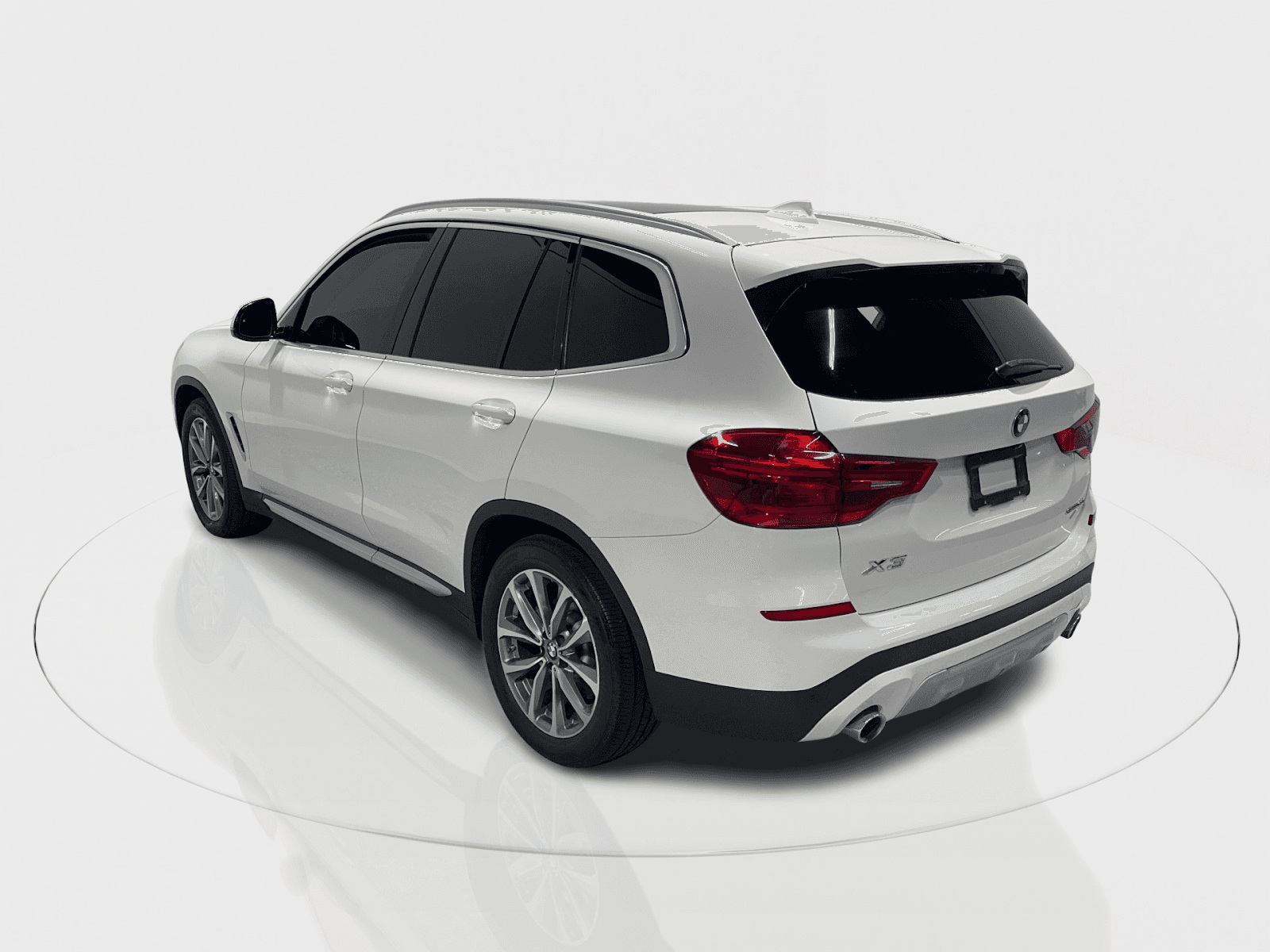
Rear Left Diagonal: Taken from the back left corner, this angle reveals both the rear and left side of the car. It’s useful for showing the taillights and rear design in relation to the body shape.
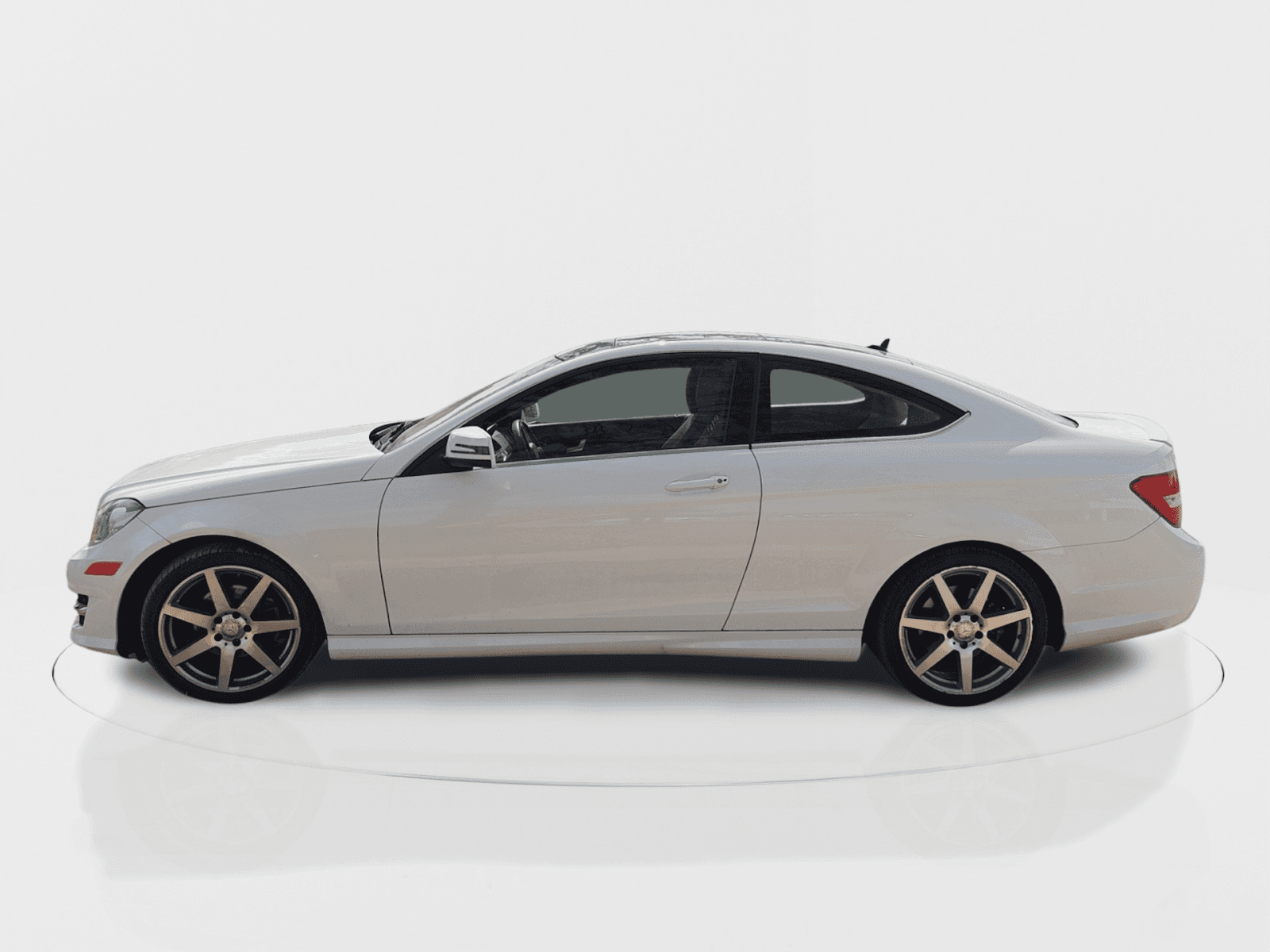
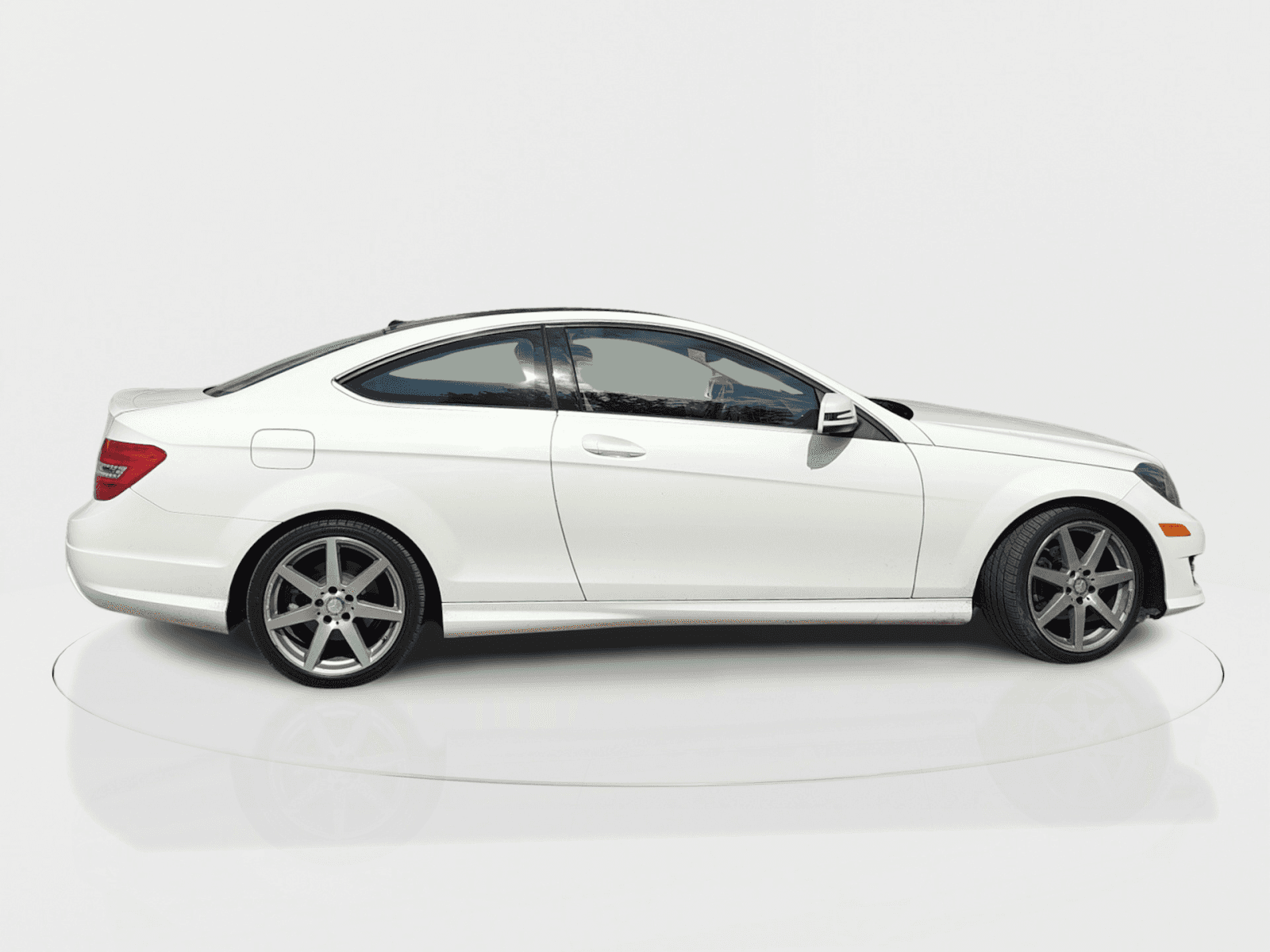
Left and Right Side: A full side profile shot displays the car’s entire length, including the doors, wheels, and window line. Make sure the car is centered, with the horizon level for a balanced look.
Which close-up shots highlight key features?
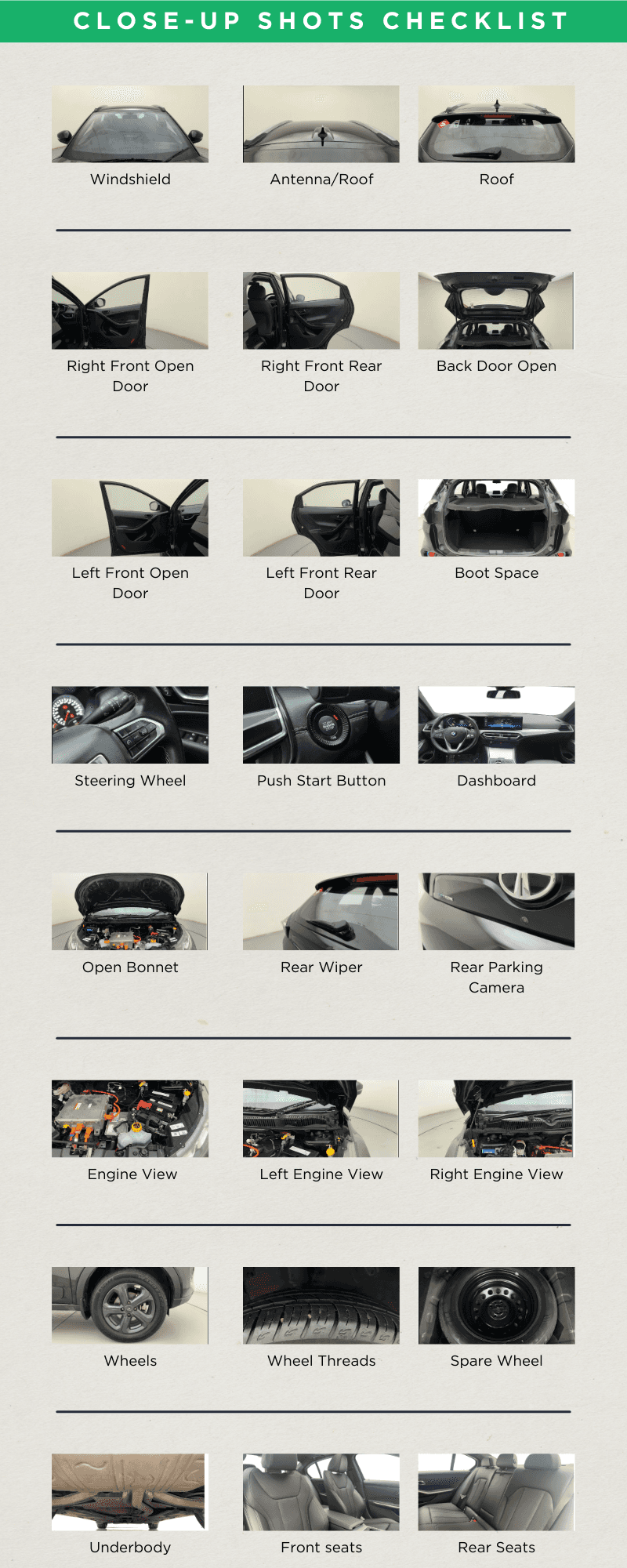
Close-up shots help potential buyers examine specific parts of the car in detail. These shots focus on areas buyers might have questions about, such as wear, quality, and functionality.
- Windshield: A close-up of the windshield can highlight any special features, like tinted glass, and give buyers a sense of the windshield's condition.
- Antenna/Roof: Capture the car’s antenna and roof specially highlighting any roof attachments or sunroof functionality.
- Roof: Take a focused shot of the roof itself, especially if it has unique features like roof rails or panoramic glass.
- Right Front Open Door & Right Rear Open Door: Show the interior view with the doors open. This angle gives buyers a look at the interior space and door materials.
- Left Front Open Door & Left Rear Open Door: Capture the left side with the doors open to provide a full view of the passenger and rear areas.
- Back Door Open: Show the car with the back door open to illustrate ease of access and cargo space.
- Boot Space: Capture the open trunk from above to demonstrate storage capacity.
- Open Bonnet: A clear view of the engine bay is essential, especially for buyers interested in the engine’s condition.
- VIN (Vehicle Identification Number): Take a close-up photo of the VIN, typically found on the dashboard near the windshield on the driver’s side, or on the driver’s side door frame. This is an important shot for buyers, as the VIN provides key information about the car’s history.
- Steering Wheel: A close-up of the steering wheel showcases design details, buttons, and any wear on the wheel itself.
- Push Start Button: Capture a focused shot of the push-start button, a popular feature in modern cars.
- Rear Wiper: Show the rear wiper in detail, especially if it has special features like a defroster.
- Rear Parking Camera: Highlight the rear camera to emphasize convenience features for parking and reversing.
- Wheels: Capture a close-up of the wheels and rims to showcase design and condition.
- Wheel Tread: Show the depth of the tyre tread to reassure buyers about tire quality.
- Spare Wheel: Document the spare wheel, if available, as it’s an added value.
- Underbody: An underbody shot is useful to show if there’s any rust or damage, which is often a concern with used cars.
- Front Seats & Rear Seats: Take clear, close-up shots of both front and rear seats to show their condition, materials, and any additional features like fold-down capability.
- Head Lights: A close-up of the headlights, especially if they have unique features like LED or xenon lighting, adds detail.
- Dashboard: Capture the dashboard in detail, showing the instrument panel and any tech features such as the infotainment system.
Take a look at the table below for reference shots of the different features
Should you photograph the engine?
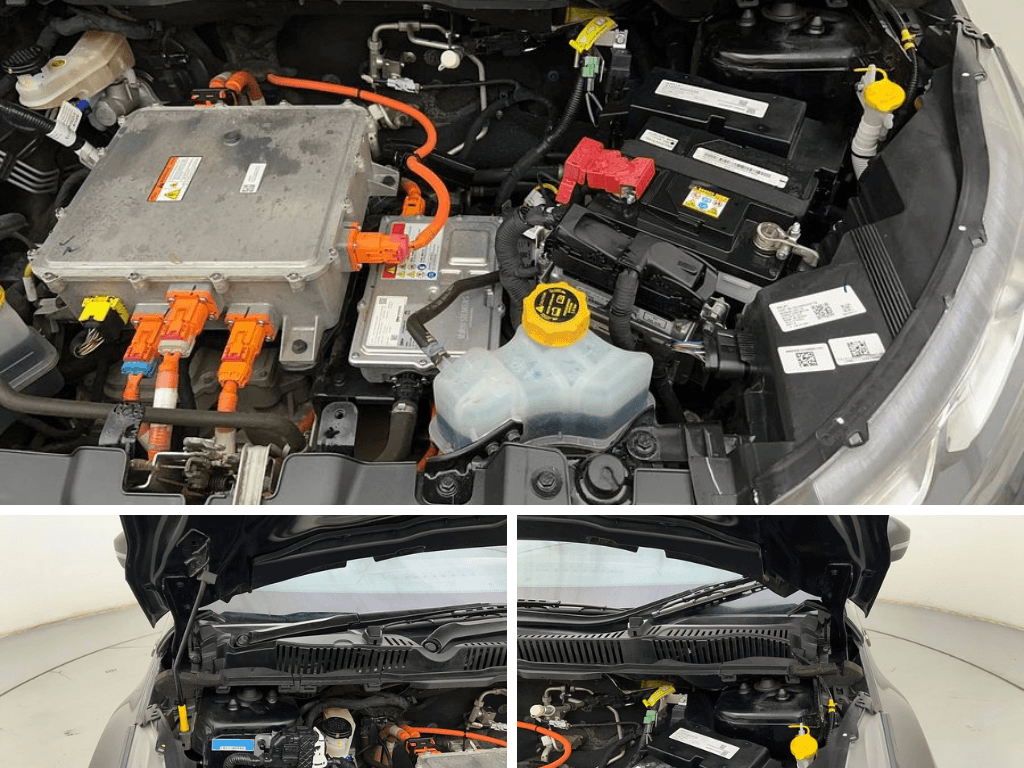
Some buyers care about the engine’s condition, especially if it’s a used car. Take a clear shot of the engine bay by opening the hood and taking a picture from a slight angle above the engine. This makes the engine look organized and lets buyers see how well it’s been kept.
What tips apply to every car photo?
- Use Good Lighting: Try to shoot in natural light, either early in the morning or late afternoon when the sunlight is softer. This helps avoid harsh shadows on the car’s surface.
- Keep the Background Simple: Avoid busy backgrounds like parked cars or crowded streets. A clean background will help the car stand out.
- Center the Car in the Frame: When in doubt, keep the car centered in your frame to give it a balanced look.
By following these simple angles and compositions, you’ll create photos that showcase your car’s best features. Once you have your shots, upload them to platforms like cars.com or use HelloRamp.ai to display them professionally online.
Want to go deeper on angles, lighting and framing? Work through our free car photography course — it covers the full shot list dealership photographers use on every vehicle.
Frequently asked questions
What angles should I photograph a car from?
At minimum: front three-quarter, straight front, straight rear, both side profiles, the cabin from the driver's door, the dashboard, and close-ups of the wheels, VIN and any damage. Shoot them in the same order for every vehicle.
Which car photo should be the lead image?
The front three-quarter. It shows the front and one side together, so it reads as a whole car even at thumbnail size, where a straight-on front or a flat side profile does not.
Do I need a DSLR to photograph cars for listings?
No. A recent smartphone is enough for online listings. Consistency of angle, framing and light matters far more to a buyer than sensor size.
Should I photograph damage on a used car?
Yes. Photograph scratches, kerbed wheels and interior wear as deliberate close-ups. Buyers who find the flaws themselves after a viewing trust the rest of the listing less.
HelloRamp Studio guides the walkaround, corrects the lighting and backgrounds, and produces the listing stills, the 360° spin and the video tour from one five-minute capture on a phone. No booth, rig or dedicated photographer.